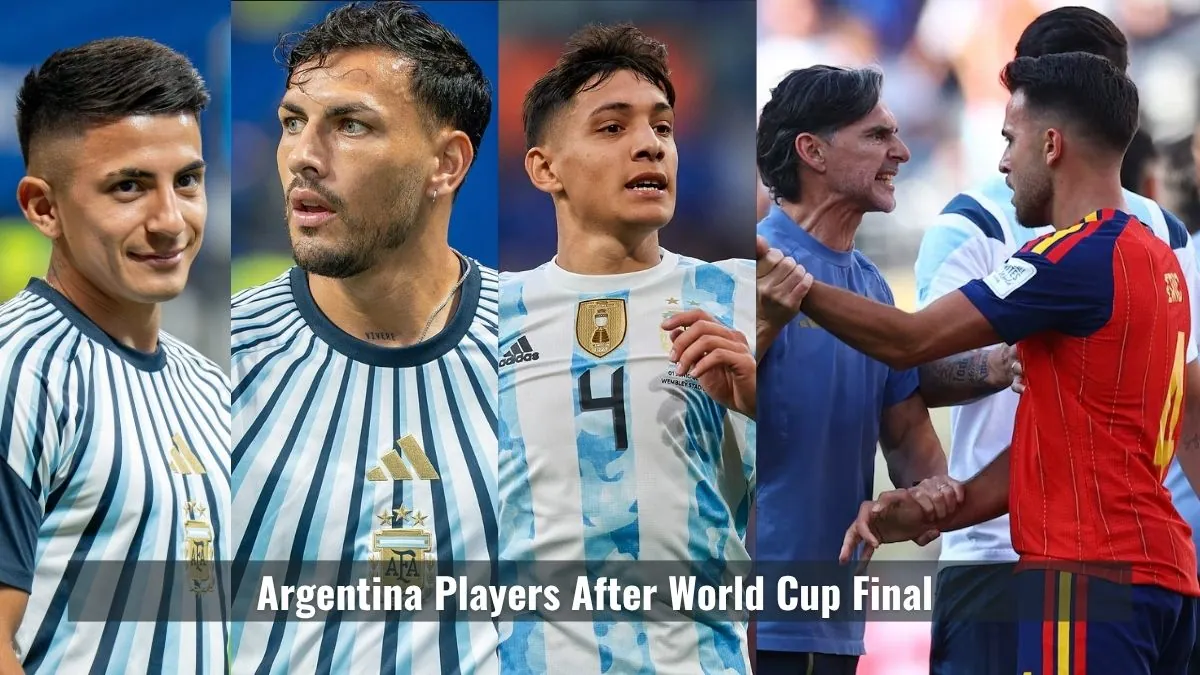
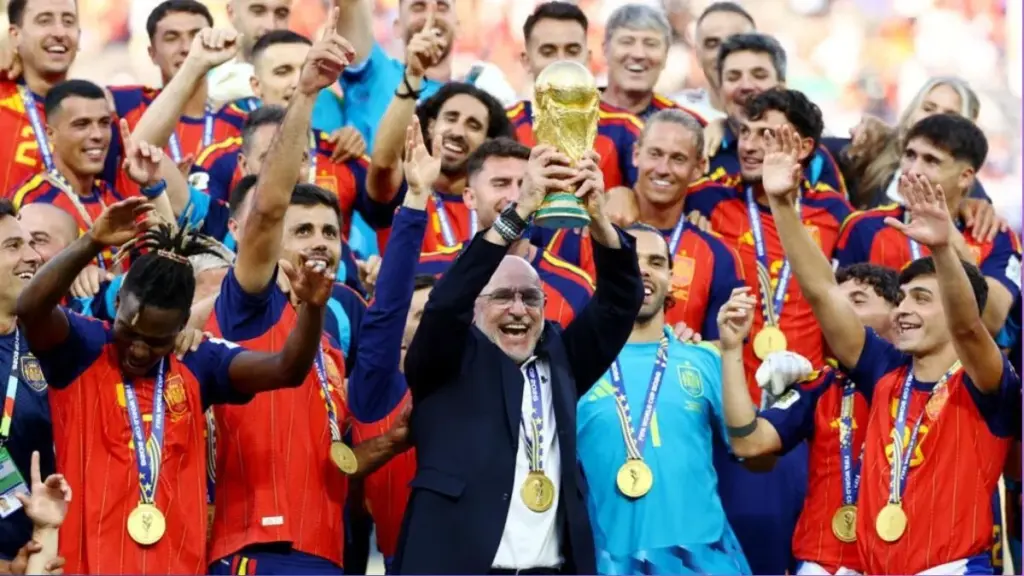
FIFA has handed down significant disciplinary sanctions to several Argentina players and staff following the ugly scenes that erupted after the 2026 World Cup final. Spain defeated Argentina 1-0 in extra time at MetLife Stadium, with Ferran Torres scoring the decisive goal, but the final whistle was followed by a mass altercation involving players from both sides.
On Friday, the FIFA Disciplinary Committee confirmed bans and fines after investigating the incident. The sanctions focus primarily on Argentina, with one Spanish player also punished. The bans apply only to international matches and will not affect club football.
Full List of FIFA Bans Argentina Players and Staff – Fines
Leandro Paredes – 10-match ban and $90,000 fine (77,000 Euro)
The midfielder received the heaviest punishment. Video evidence showed him grabbing Spain defender Eric García by the throat and throwing midfielder Gavi to the ground as Spanish substitutes flooded the pitch to celebrate.
FIFA charged Paredes with multiple counts of assault. His suspension is expected to keep him out of Argentina’s national team for approximately one year of international fixtures.
Nahuel Molina – 7-match ban and $90,000 fine
The defender was sanctioned for appearing to strike Spain midfielder Rodri in the stomach while the European champions celebrated. FIFA charged him with assault and related offences.
Thiago Almada – 1-match ban and $30,000 fine
The attacking midfielder was punished for unsporting behaviour during the melee.
Roberto Ayala (assistant coach / team official) – 3-match ban and $30,000 fine
The former Argentina defender and current staff member was charged with one count of assault. Ayala had previously apologised for his involvement.
Combined, Argentina players and staff received bans totalling 21 international matches.
Spain Player
- Gavi – 1-match ban and $30,000 fine
The only Spanish player sanctioned, Gavi was punished for unsporting behaviour. His ban is expected to rule him out of Spain’s UEFA Nations League match against England at Wembley on September 26.
Additional Sanctions Against the Argentine Football Association
Beyond the individual punishments, FIFA fined the Argentine Football Association (AFA) a total of approximately $310,000 to $321,000 for multiple disciplinary breaches during the tournament. These included:
- Team misconduct related to the final
- Discriminatory chants and gestures by fans
- Security failures
- The display of a political banner reading “Las Malvinas Son Argentinas” (“The Falkland Islands are Argentine”) after Argentina’s semi-final victory over England
Part of the fine ($100,000) must be invested in anti-discrimination programmes. FIFA also ordered Argentina to play its next home international match with a 50% stadium capacity restriction. A second partial closure was suspended under a probationary period.
Context of the Incident
The brawl broke out immediately after the final whistle as Spain’s players and substitutes celebrated their first World Cup title since 2010. Tempers flared quickly. Paredes’ confrontation with García and Gavi was the most visible flashpoint, while Molina’s clash with Rodri and involvement from staff members escalated the situation into a wider melee.
FIFA had opened a formal investigation shortly after the final, appointing a disciplinary and ethics prosecutor. No red cards were issued on the night for the post-match incidents (an initial report of a red card for Paredes was later corrected), leaving the matter to the disciplinary process.
What the Bans Mean
The suspensions will be served in international windows only. For Paredes, the 10-match ban is particularly severe and ranks among the heaviest individual FIFA sanctions linked to a World Cup incident in recent history. With limited competitive fixtures currently scheduled for Argentina through mid-2027, the ban effectively removes him from national team duty for an extended period.
Players and staff have 10 days to request a motivated decision and may appeal the rulings.
Broader Fallout
The sanctions close one chapter of a turbulent end to Argentina’s World Cup campaign. What began as a hard-fought final finished with images of confrontation rather than pure celebration for the winners and dignified disappointment for the runners-up. FIFA’s response underlines its zero-tolerance stance on post-match violence and the use of major tournaments for political statements.
Spain move forward as world champions with only a minor disruption to their squad. Argentina, meanwhile, must navigate the next international cycle without key contributors while addressing the financial and stadium-capacity penalties imposed on the federation.
The Disciplinary Committee’s decisions reaffirm that the rules of the game extend beyond the final whistle — especially on the biggest stage of all.