FIFA has officially announced significant changes to the Club World Cup 2029, delivering a blow to Qatar’s hosting ambitions while paving the way for tournament expansion and continued summer scheduling.
FIFA has informed continental confederations that the 2029 Club World Cup will take place in the summer, effectively ending Qatar’s proposed bid to host the tournament in winter. This decision represents a major victory for European leagues, which had strongly opposed a winter schedule that would disrupt their domestic calendars.
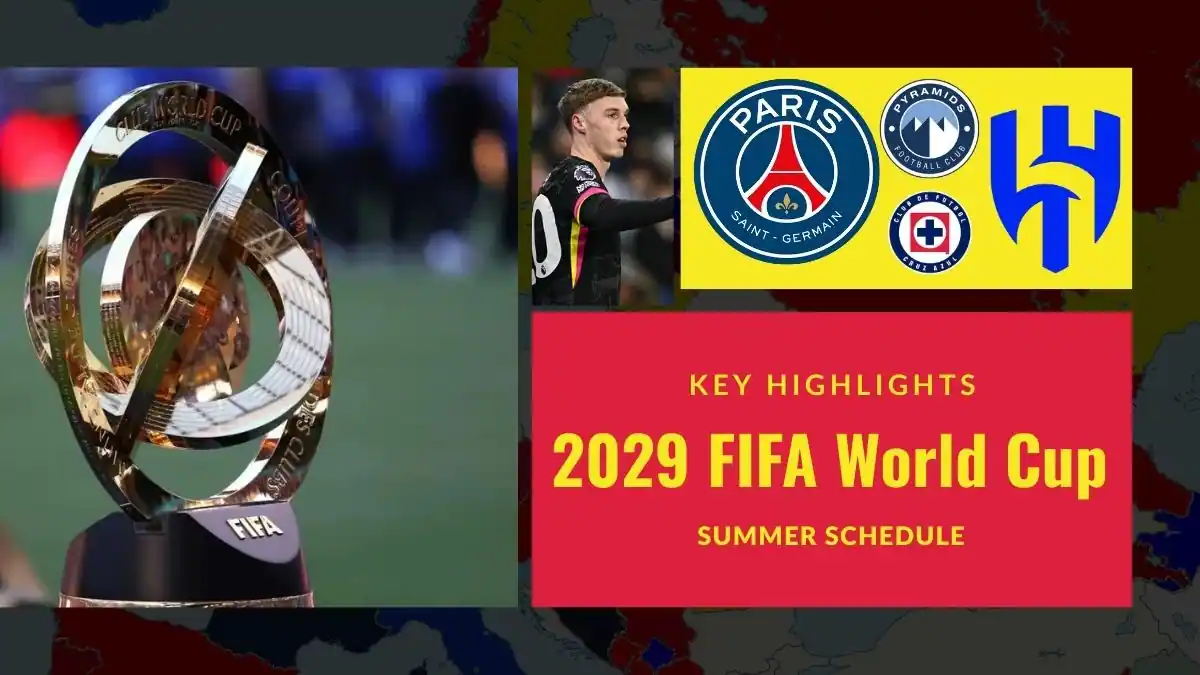
Key highlights for the FIFA Club World Cup 2029
Table of Contents
- Summer Schedule Confirmed, Qatar Bid Rejected
- Tournament Expansion to 48 Teams Under Consideration
- Spain-Morocco Joint Bid Emerges as Frontrunner
- Defending Champions’ Qualification Uncertainty
Qatar had been actively lobbying to host the tournament, proposing a December 2029 schedule similar to the 2026 World Cup format. Qatari officials held talks with FIFA representatives during the 2025 FIFA Club World Cup tournament in the United States, promoting their existing infrastructure from the 2022 World Cup and promising a carbon-neutral competition. However, FIFA’s confirmation of summer scheduling has effectively ruled out their candidacy.
Tournament Expansion Plans
The FIFA Club World Cup 2029 edition is expected to feature more than the current 32 teams, with FIFA seriously considering expansion to a 48-team format similar to the 2026 Men’s FIFA World Cup structure. This expansion has been strongly lobbied for by major European clubs, including Arsenal, Barcelona, Liverpool, and Manchester United, particularly those who failed to qualify for the inaugural 2025 tournament.
The proposed expansion would increase matches from 64 to 104, generating significantly more revenue through enhanced TV rights and prize money. Chelsea’s victory in the 2025 tournament earned them £85 million from a total prize pool of £750 million, demonstrating the financial incentives driving expansion.
To address player welfare concerns, FIFA is considering introducing qualifying playoffs the week before the main tournament, with winners advancing to the Club World Cup proper. This format would add excitement while potentially reducing the strain compared to a full 48-team expansion.
Potential bids for the host Nations
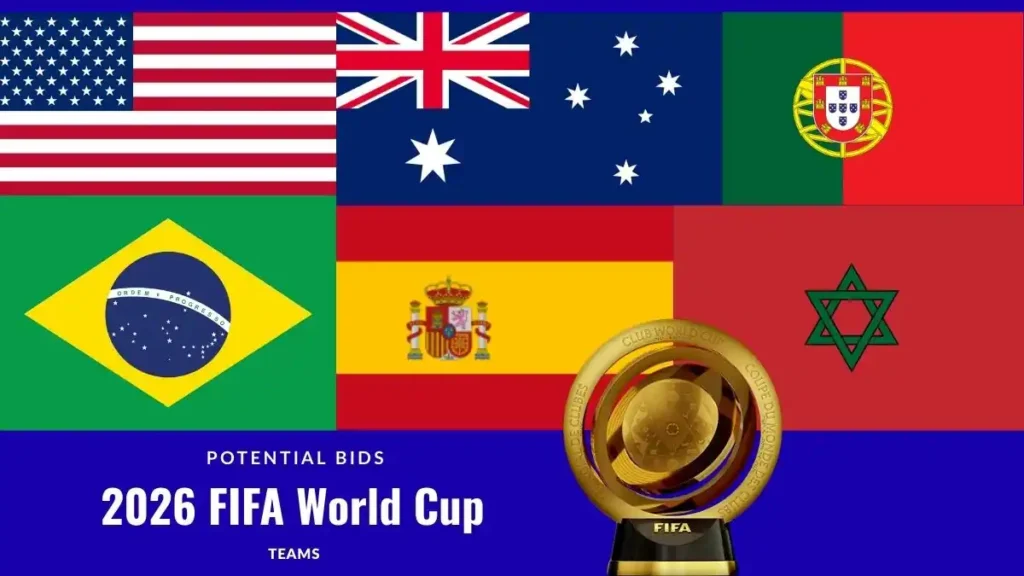
With Qatar out of contention, Spain and Morocco have emerged as frontrunners to host the 2029 edition. This hosting arrangement would serve as preparation for their joint role in the 2030 World Cup. Morocco initially sought to host independently before exploring the joint bid option.
Brazil has also formally expressed interest, with the Brazilian Football Confederation communicating its intentions to FIFA President Gianni Infantino. Brazil’s bid would utilise infrastructure from previous FIFA events, including the 2014 World Cup and the upcoming 2027 Women’s World Cup.
Other potential candidates include:
- Australia (potentially with New Zealand)
- United States (for a second consecutive hosting)
- Portugal (as a third partner with Spain and Morocco)
Qualification System and Teams Already Secured
Four teams have already qualified for the 2029 tournament based on continental championship victories:
| Team | Confederation | Achievement |
|---|---|---|
| Paris Saint-Germain | UEFA | 2024-25 UEFA Champions League winners |
| Cruz Azul | CONCACAF | 2025 CONCACAF Champions Cup winners |
| Al-Ahli | AFC | 2024-25 AFC Champions League Elite winners |
| Pyramids FC | CAF | 2024-25 CAF Champions League winners |
Notably, Chelsea, despite winning the 2025 tournament, does not have automatic qualification for 2029 as defending champions.
What is the new format of the FIFA Club World Cup 2029?
FIFA is exploring several additional modifications for the 2029 FIFA Club World Cup:
- Biennial frequency: Holding the tournament every two years instead of four, responding to pressure from major clubs
- Elimination of country limits: Removing the current restriction of two clubs per nation
- Enhanced qualification pathways: More spots for domestic league champions
These changes aim to address criticism about the current qualification system, which excluded notable clubs like Liverpool, Barcelona, and Arsenal from the 2025 edition despite their domestic success.
Player Welfare Concerns and Opposition
The expansion plans face significant resistance from player welfare organizations and European leagues. FIFPRO, the global players’ union, has filed legal complaints against FIFA, accusing the organization of creating an “overloaded match calendar” without adequate consultation.
FIFPRO President Sergio Marchi condemned the 2025 Club World Cup, citing “extreme and unsuitable conditions” during matches affected by weather delays. The union has accused FIFA of “systematically ignoring and silencing” player concerns while prioritizing commercial interests.
European leagues and UEFA remain skeptical of further expansion, warning that increasing the tournament size could exacerbate existing calendar congestion issues. The current international match calendar is fixed until 2030, with negotiations for post-2030 arrangements ongoing.
Financial Implications and Club Support
The tournament’s financial success has been a driving factor behind expansion plans. The 2025 edition generated substantial revenue through a combination of prize money, participation fees, and broadcast rights. FIFA secured £750 million in TV rights, partially funded by Saudi Arabia’s Surj Sports Investment.
Major European clubs are pushing for increased frequency and expanded participation, recognizing the significant financial rewards available. However, this commercial focus has drawn criticism from player representatives who argue that financial considerations are being prioritised over athlete welfare.
The FIFA Club World Cup 2029 represents a pivotal moment for global club football, balancing commercial expansion with competitive integrity and player welfare concerns. FIFA’s decision to maintain summer scheduling while exploring tournament growth reflects the complex negotiations between various stakeholders in world football.