Football, known as soccer in some regions, stands undisputed as the most magnificent sporting spectacle on our planet. When we examine the evidence across multiple dimensions – viewership, participation, economic impact, and cultural influence – the beautiful game emerges as an unparalleled global phenomenon that transcends all boundaries.
The numbers tell an extraordinary story. The FIFA World Cup 2022 in Qatar reached an incredible 5 billion viewers worldwide, with the final alone drawing 1.5 billion people to their screens. To put this in perspective, this means approximately two-thirds of the world’s population engaged with football’s premier tournament in some capacity.
These figures completely overshadow other major sporting events. While the Summer Olympics attract 2 billion viewers and the Tour de France reaches 3.5 billion over its duration, the World Cup’s concentrated impact over one month creates an unmatched global moment.
The Super Bowl, America’s biggest sporting event, draws just 115.1 million viewers—impressive domestically but minuscule compared to football’s global reach.
FIFA is the international governing body of football, responsible for organising major tournaments like the FIFA World Cup, Club World Cup, Football Transfer and more.
Why is football the biggest event in Sports?
Table of Contents
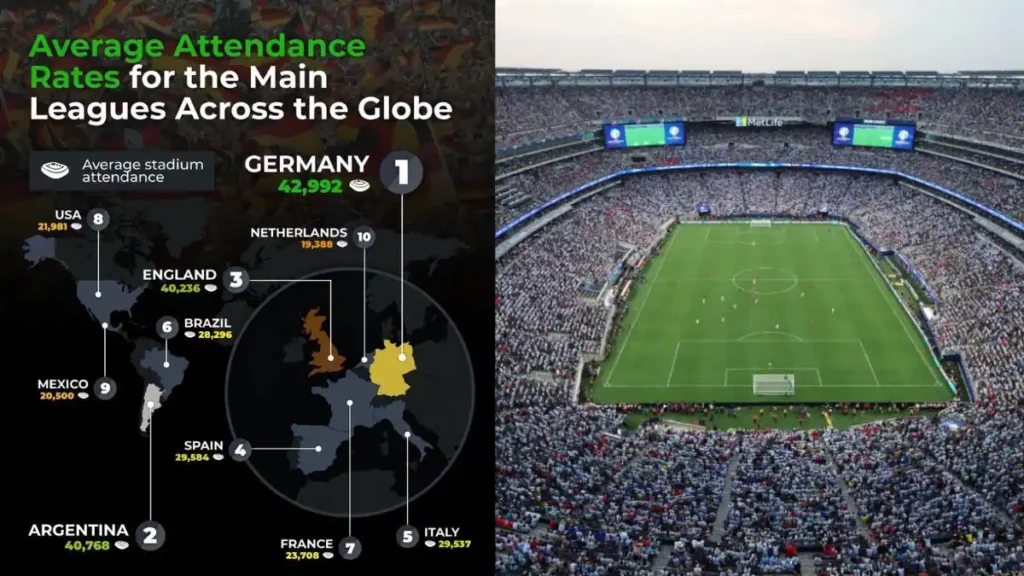
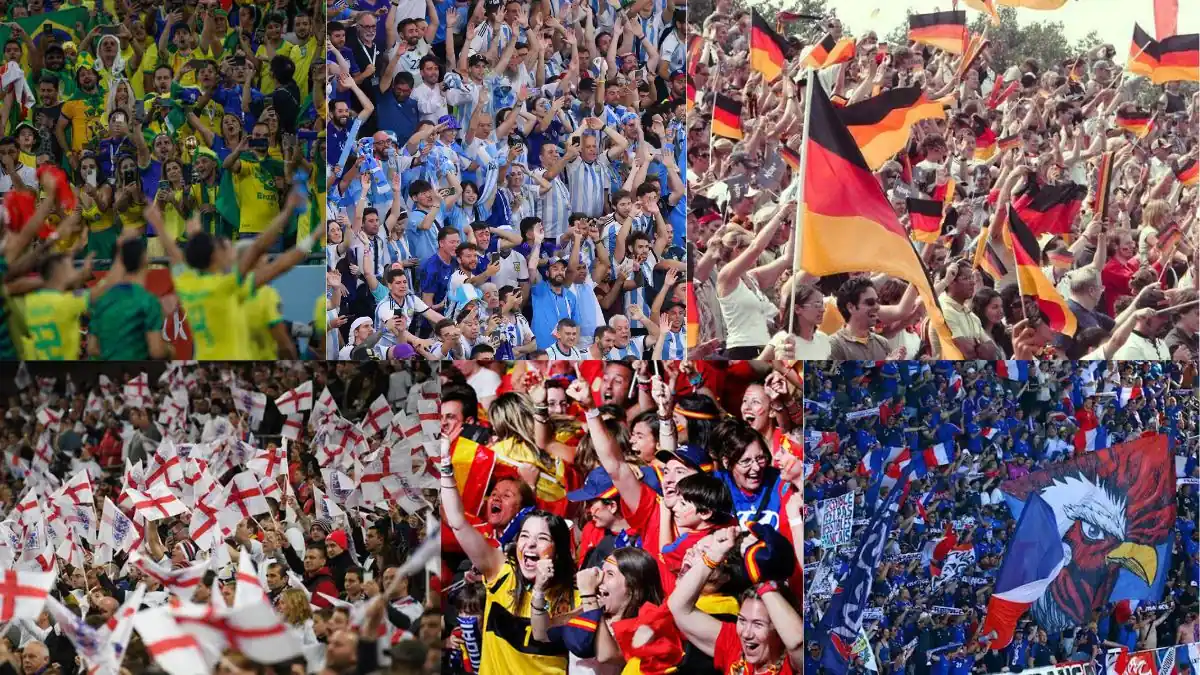
Football commands an estimated 3.5 billion fans worldwide, making it the most followed sport on every continent. This massive following isn’t concentrated in just a few regions but spans Europe, Africa, Asia, and the Americas.
Research reveals that more than 40% of people aged 16 or older in major population centers consider themselves interested or very interested in following Soccer.
The sport’s popularity continues to grow in emerging markets. In the United States, interest has increased from 28% to 32% in recent years.
India has seen remarkable growth from 30% to 45% interest between 2013-2017, while China is implementing massive strategies to develop its domestic football scene.
Why is football the Sport of the People?
Football’s global dominance stems fundamentally from its extraordinary accessibility. Unlike sports requiring expensive equipment, specialized facilities, or significant investment, Soccer needs only a ball and open space.
This simplicity allows children in developing countries to play alongside those in affluent nations, creating a truly democratic sporting experience.
The sport’s minimal barrier to entry means that 270 million people play football globally, with 128,694 professional players across 3,986 clubs in 135 countries. This massive participation base, from grassroots to professional levels, creates an unparalleled foundation that no other sport can match.
Soccer is inherently simple and accessible, needing only minimal equipment to play anywhere, while bringing people together across cultures through its universal appeal and shared passion.
Economic Powerhouse Generating Billions
Football represents a massive economic force. The global sports industry generated $170 billion in 2024, with Soccer leagues dominating the landscape.
The English Premier League alone generates over $12 billion annually with 4 billion global followers, while the NFL’s $18 billion primarily serves the US market.
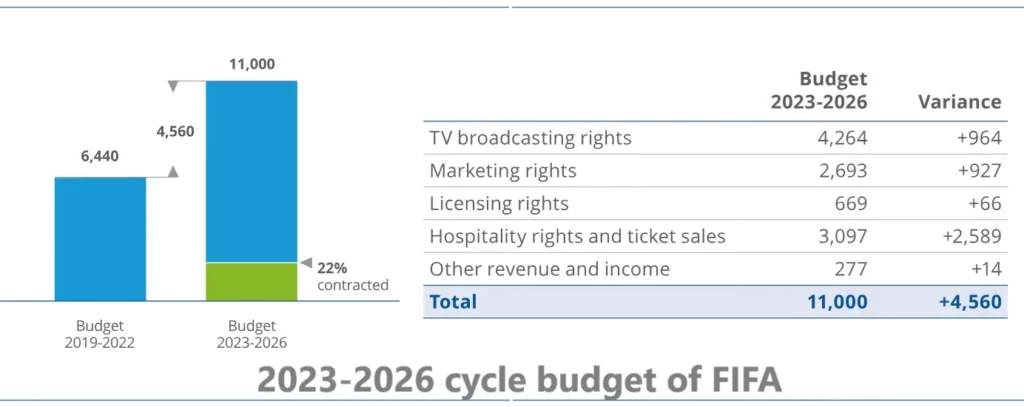
Major tournaments create extraordinary economic impact. Qatar’s 2022 World Cup generated an estimated $17 billion profit, while FIFA earned $6.1 billion in total revenue. The 1994 World Cup in the United States brought $1.045 billion to major cities alone, demonstrating football’s ability to transform host economies.
Grassroots Foundation Creating Lifelong Connections
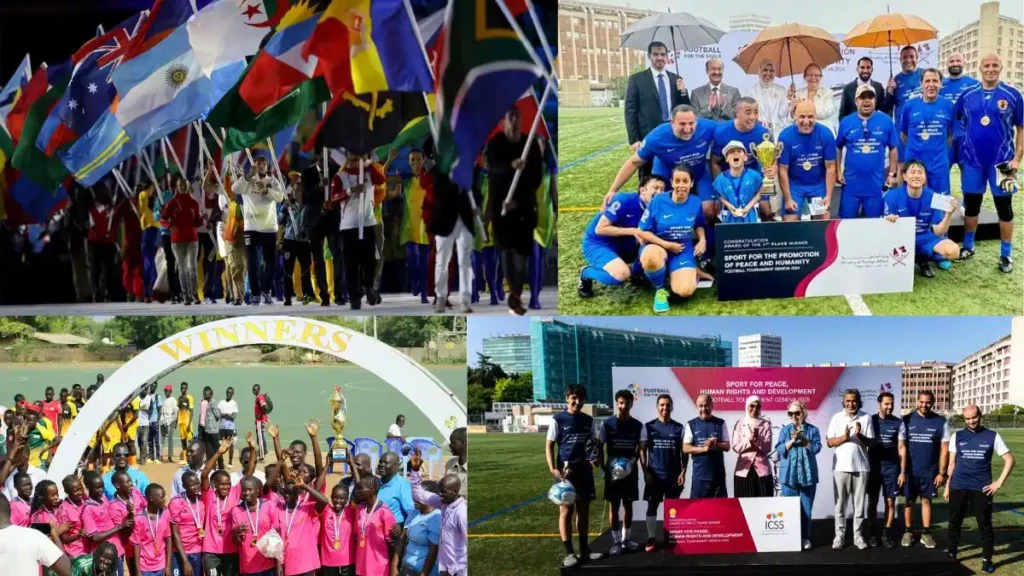
Football’s dominance is built on robust grassroots foundations that engage millions of young people worldwide. UEFA’s grassroots programs demonstrate how investment in youth football generates positive societal impacts worth €39.5 billion across Europe alone. These programs don’t just develop players—they teach positive values, promote healthier lifestyles, and unite communities in all the best Academies in the US and globally.
Countries worldwide are recognizing this potential. India’s AIFF aims to engage 35 million children by 2026 and 100 million by 2047 through their Blue Cubs program, while organizations like FASI use football academies to transform lives in developing countries through talent development, health initiatives, and education.
The Diplomatic Power of the Beautiful Game
Soccer serves as an extraordinary tool for international diplomacy and cultural exchange. The sport has facilitated dialogue between adversarial nations and created opportunities for peaceful engagement where traditional diplomacy might fail.
Recent examples include North and South Korea competing as a unified team at the 2018 Winter Olympics, demonstrating sport’s power to transcend political divisions.
The 2026 World Cup, co-hosted by Canada, Mexico, and the United States, is projected to bring in $343 million in direct tourism spending, including $230.4 million in future tourism revenue for Los Angeles. This highlights how football fosters enduring diplomatic and economic connections.
Media and Technological Revolution

Football has pioneered sports broadcasting and digital engagement. The English Premier League reaches audiences in virtually every country, while social media engagement around Soccer events consistently breaks records. The 2022 World Cup generated nearly 6 billion social media engagements with 93.6 million posts across platforms.
Streaming technology has made Soccer more accessible than ever, with cheaper broadcasting options allowing fans worldwide to follow top leagues and tournaments. This technological evolution continues expanding football’s global reach into new markets and demographics.
The Unrivalled Dominance of Football
The evidence overwhelmingly demonstrates why football holds the top position as the world’s biggest sporting event. With 5 billion World Cup viewers, 3.5 billion global fans, 270 million participants, and economic impacts measured in hundreds of billions, no other sport comes remotely close to football’s comprehensive dominance.
Football’s success isn’t just about numbers—it’s about creating meaningful human connections across all barriers. From children playing in Brazilian favelas to packed stadiums in Manchester, from peace-building initiatives in war-torn regions to diplomatic breakthroughs between nations, Soccer consistently demonstrates its unique power to unite humanity around a shared passion.
In a world often divided by politics, economics, and culture, it remains the one truly global language that everyone speaks.
This is why the beautiful game doesn’t just participate in the sporting world—it absolutely dominates it, creating moments of joy, unity, and shared human experience that no other sport can replicate at such an extraordinary scale.
Why does football hold the top spot?
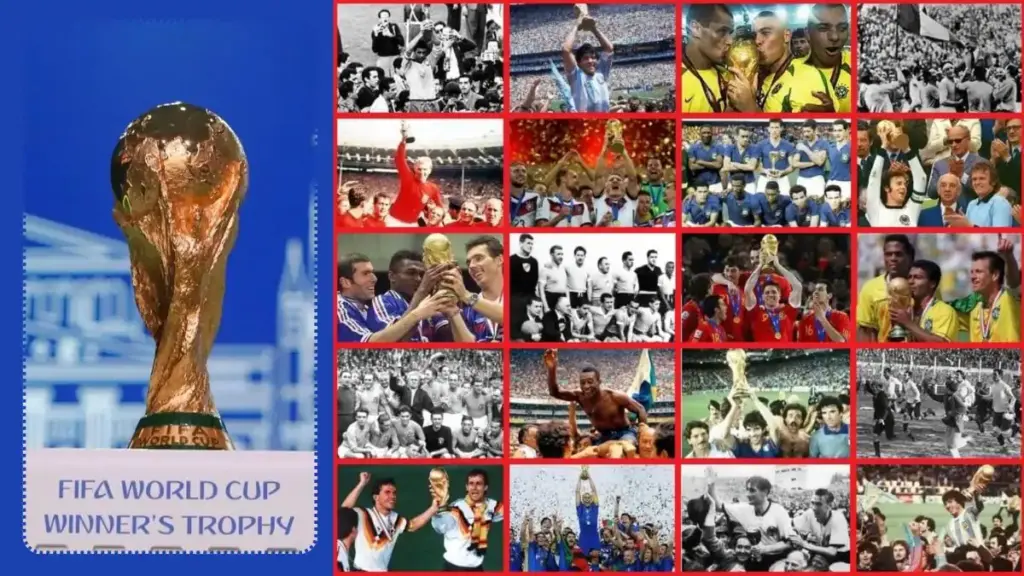
The evidence overwhelmingly demonstrates why football holds the top position as the world’s biggest sporting event. With 5 billion World Cup viewers, 3.5 billion global fans, 270 million participants, and economic impacts measured in hundreds of billions, no other sport comes remotely close to football’s comprehensive dominance.
Soccer’s success isn’t just about numbers—it’s about creating meaningful human connections across all barriers. From children playing in Brazilian favelas to packed stadiums in Manchester, from peace-building initiatives in war-torn regions to diplomatic breakthroughs between nations, football consistently demonstrates its unique power to unite humanity around a shared passion.
In a world often divided by politics, economics, and culture, Soccer emerges as a universal language that everyone speaks. It’s not just a part of the sporting world—it dominates it, offering unmatched moments of joy, unity, and shared human experiences on an extraordinary scale.