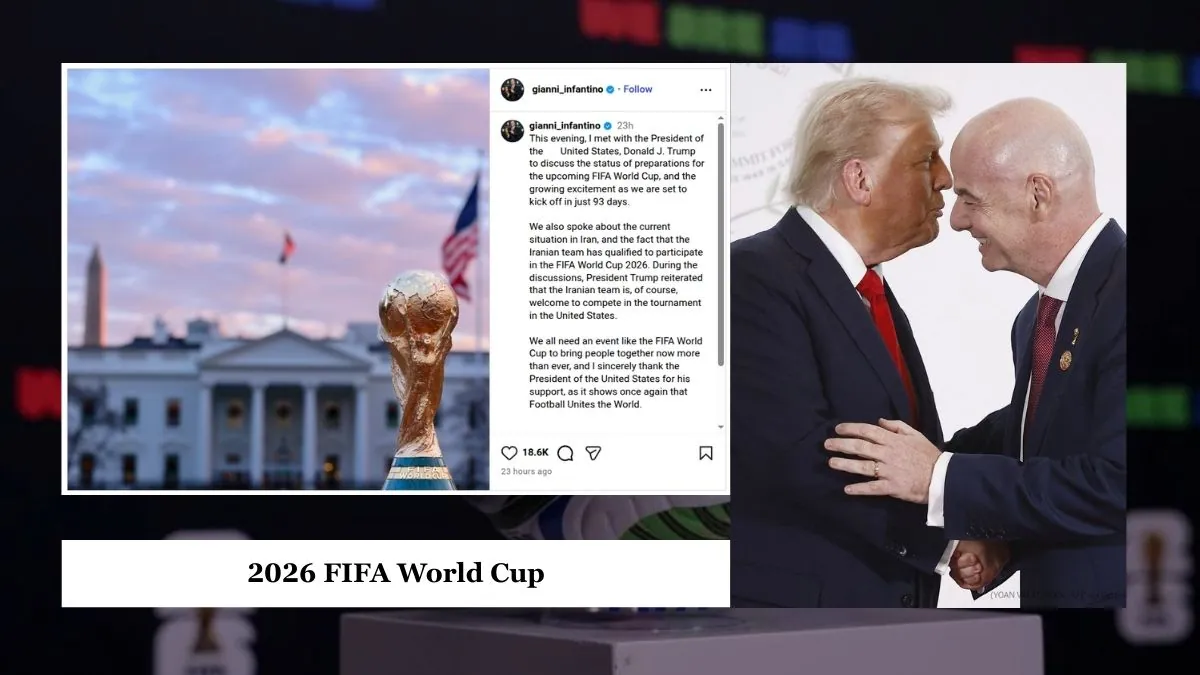
In a week that has seen the 2026 FIFA World Cup teeter on the edge of a geopolitical meltdown, a surprising new development has emerged from the White House. Despite a formal boycott announcement from Tehran and an escalating military conflict in the Middle East, FIFA President Gianni Infantino has dropped a bombshell: President Donald Trump has personally given the green light for Iran’s participation in the tournament.
This sudden diplomatic shift comes at a critical time. With the tournament just 90 days away, the world is watching to see if sports can truly transcend a state of war, or if political tensions will lead to the first major World Cup boycott in decades.
The “Instagram Diplomacy”: Infantino’s Meeting with Trump
On the evening of March 11, 2026, Gianni Infantino took to social media to share the results of a high-level meeting with President Donald Trump. According to the FIFA chief, the discussion centered on the final preparations for the 48-nation tournament, but the primary focus was the “Iran Question.”
Infantino wrote: “During the discussions, President Trump reiterated that the Iranian team is, of course, welcome to compete in the tournament in the United States.”
This statement is a stark reversal from Trump’s comments just a week ago, where he told Politico that he “really didn’t care” if Iran showed up or not, describing the nation as “severely defeated.” So, what changed?
Why the Sudden Welcome? The Commercial and Diplomatic Stakes

Political analysts believe that the Trump administration’s shift is a strategic move to preserve the “Prestige of the Presidency” and the commercial success of the 104-match tournament.
- Maintaining the 48-Team Format: This is the first World Cup with 48 teams. Losing a major powerhouse like Iran would not only hurt the TV ratings in Asia but would also cast a shadow over the “Global Unity” theme that Infantino and Trump are trying to project.
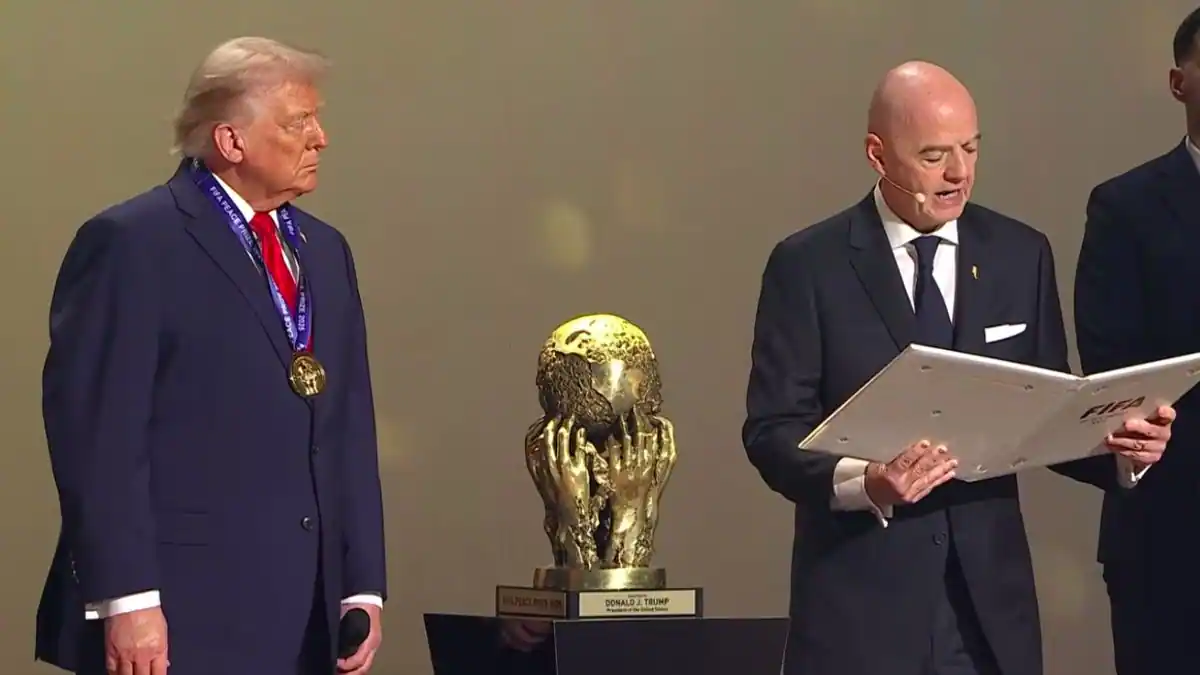
- The FIFA Peace Prize Factor: In late 2025, FIFA created a “Peace Prize” and awarded it to Donald Trump. By welcoming Iran, the U.S. can claim the moral high ground, appearing to be “open” while the Iranian government appears “closed” by choosing to boycott.
- Economic Revenue: Iran was drawn into Group G, with matches scheduled in Los Angeles and Seattle. These cities have massive Iranian diaspora populations, and ticket sales for these specific games were projected to break records.
Tehran’s Defiance: The Boycott Still Stands
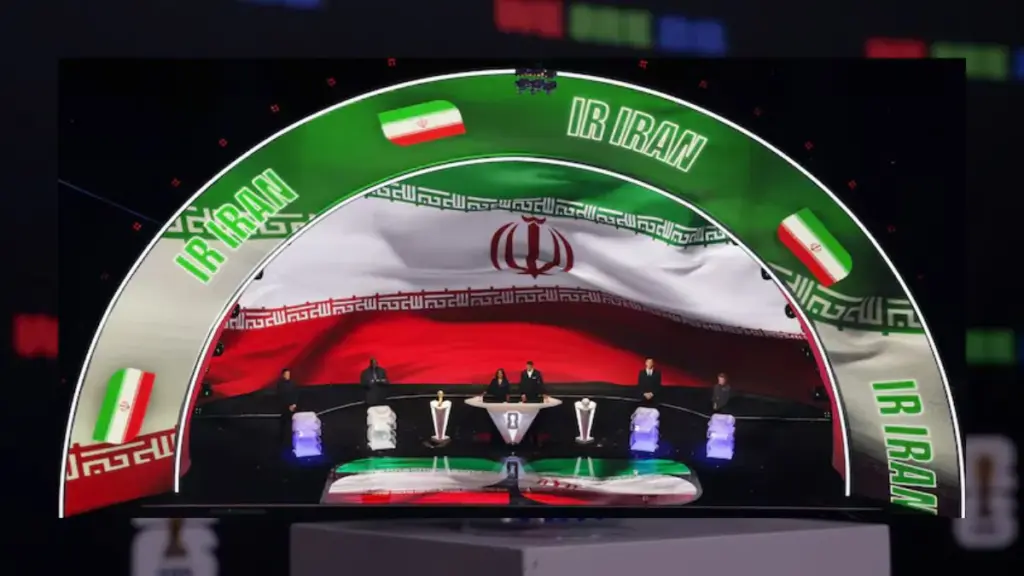
Despite Trump’s “welcome,” the situation on the ground in Tehran remains hostile. On March 11, Iranian Sports Minister Ahmad Donyamali appeared on state television to reiterate that Iran will not send its team to the United States.
The reasons cited by the Minister are rooted in the current conflict:
- The Assassination of Supreme Leader Ali Khamenei: Donyamali stated that participating in a tournament hosted by a “corrupt government” that allegedly assassinated their leader is impossible.
- Player Safety: Iran has expressed deep concerns that their players will not be safe on U.S. soil, especially given the defection of several female players during the Asian Cup in Australia just last week.
Minister Donyamali was blunt: “They have forced two wars on us in less than a year. We definitely cannot attend.”
The “Wildcard” Situation: Who is Waiting?
While Infantino is trying to keep Iran in the fold, FIFA is quietly preparing “Emergency Measures.” If Iran does not formally register its squad by the upcoming deadline, FIFA must name a replacement.
Current reports suggest that Iraq is the frontrunner to take the spot, given their proximity in the AFC rankings and their strong performance in the qualifiers.
However, there are also whispers that Italy could be invited as a high-profile “Wildcard” to ensure the commercial value of the tournament remains intact.
The Logistics of the Trump Guarantee
If Iran were to accept this last-minute invitation, how would it work? Infantino’s report suggests that Trump has promised:
- Expedited Visas: A specialized “Sporting Waiver” to bypass any current travel bans.
- Bespoke Security: A federal security detail for “Team Melli” to protect them from both political protesters and security threats.
- The FIFA ID Exemption: Rumors suggest FIFA is working on a way to process Iranian player data without it passing directly through U.S. government servers to alleviate privacy concerns.
Conclusion: A Game of Geopolitical Chess
The 2026 World Cup has become more than just a football tournament; it is a battleground for international diplomacy. By publicly “welcoming” Iran, President Trump and Gianni Infantino have put the ball back in Tehran’s court.
If Iran refuses to play, they will be seen by the global community as the ones who “politicized the game.” If they do play, they will have to compete in the heart of the nation they currently view as their greatest adversary.
For fans in the USA, Canada, and Mexico, the drama is only beginning. Whether we see the white and green of Iran in Los Angeles on June 15 or a replacement team, the 2026 World Cup is already the most discussed event of the decade.
Frequently Asked Questions (FAQs)

Q1: Did Donald Trump actually invite the Iranian team?
According to FIFA President Gianni Infantino’s Instagram post on March 11, 2026, President Trump reiterated during a meeting that the Iranian national team is “welcome to compete” in the U.S.
Q2: Why did Trump change his mind from “I don’t care”?
Insiders suggest that the U.S. administration wants to ensure the World Cup is a total commercial and diplomatic success. Welcoming all qualified nations prevents the tournament from appearing like a “limited” Western event.
Q3: Is Iran still planning to boycott?
Yes. As of March 12, Iranian Sports Minister Ahmad Donyamali has stated that participation is “out of the scope” due to the assassination of their leader and safety concerns for players on U.S. soil.
Q4: What happens to the tickets sold for Iran matches?
If Iran officially withdraws, FIFA will replace them with another team (likely Iraq). Historically, tickets remain valid for the match regardless of which team replaces the withdrawing nation.