March 19, 2026 – In a historic move to boost female representation in coaching, FIFA has approved new regulations requiring every team participating in its women’s tournaments to include at least one female head coach or assistant coach on the bench.
The landmark decision was made by the FIFA Council during its meeting on March 19, 2026, and will apply to all FIFA-organized women’s competitions, including the 2027 FIFA Women’s World Cup starting from the 2027 edition in Brazil.
The rule marks a significant step toward gender parity in football leadership, addressing long-standing calls from players, coaches, and advocates for more opportunities for women in top coaching roles.
Key Details of the FIFA Female Coach Rule in Women’s Tournaments
- Requirement: Each team needs to have at least one woman serving as either the head coach or an assistant coach on the official bench staff during matches.
- Scope: Applies to all FIFA women’s tournaments, including the FIFA Women’s World Cup, FIFA U-20 Women’s World Cup, FIFA U-17 Women’s World Cup, and regional confederation events under FIFA oversight.
- Implementation: The rule takes effect immediately for future tournaments, with the 2027 Women’s World Cup as the first major event where it will be fully enforced.
- Enforcement: FIFA will monitor compliance during tournament registration and bench submissions. Non-compliant teams risk sanctions, including potential disqualification from matches.
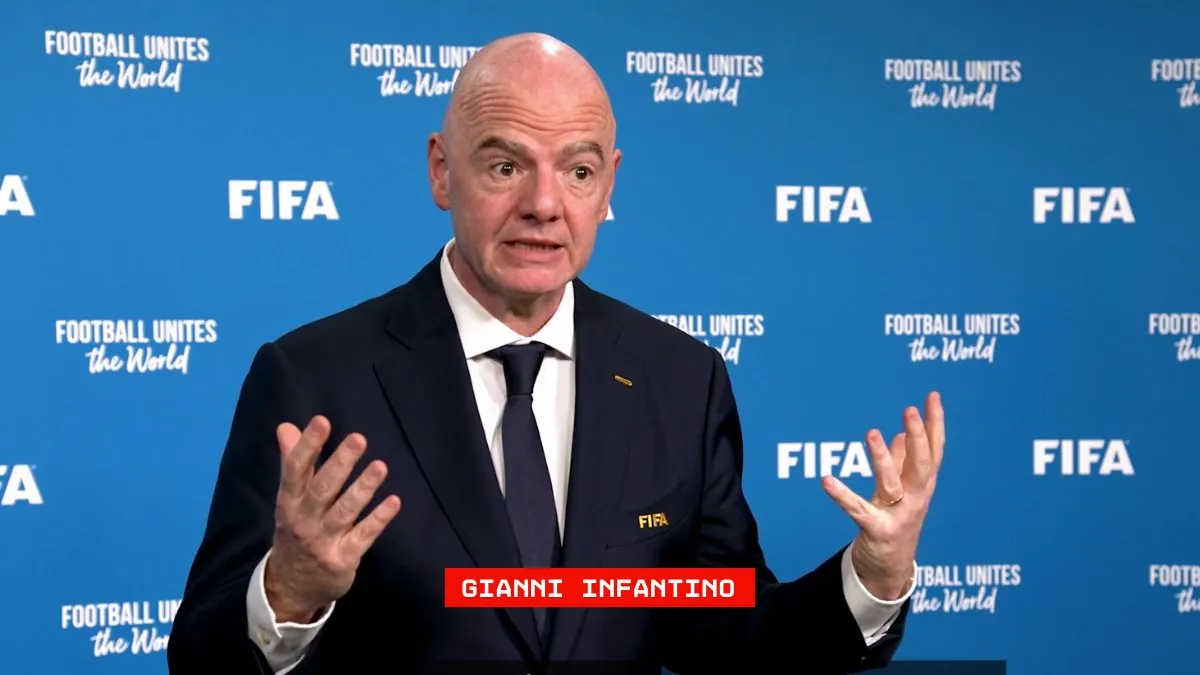
FIFA President Gianni Infantino hailed the decision as a “milestone for equality in football”:
“This rule is about opening doors and ensuring that women have a real presence and voice at the highest level of the game. We’ve seen tremendous growth in women’s football – now we need to match that with equal opportunities in leadership.”
The regulation follows years of advocacy from players like Megan Rapinoe, Sam Kerr, and Alexia Putellas, who have highlighted the underrepresentation of women in coaching roles despite record participation in women’s football.
The new FIFA regulations, combined with targeted development programmes, mark an important investment in both the current and future generation of female coaches. Jill Ellis (FIFA’s Chief Football Officer)
Why is the new rule important for women’s football?
Currently, female coaches remain rare in elite women’s football. In the 2023 FIFA Women’s World Cup, only about 20% of teams had a female head coach, and even fewer had female assistants in key roles. The new rule aims to:
- Create more pathways for female coaches.
- Promote role models for young girls aspiring to coaching careers.
- Ensure diverse perspectives on the bench, improving tactical and cultural understanding.
FIFA has also committed to supporting female coaches through expanded leadership programs, mentoring, and funding for training.
What are the Reactions from Players, Coaches, and Fans?

- USWNT Coach Emma Hayes: “This is overdue and essential. Women’s football deserves women in leadership positions – this rule will change lives.”
- Australian Matildas Captain Sam Kerr: “Huge step forward. It’s about time we see more women on the touchline.”
- Fan Groups: Women’s football supporters welcomed the rule, but some called for even stronger measures, like quotas for female head coaches.
Critics, including a few male coaches, argue it could limit flexibility in hiring, but FIFA insists the rule is “minimal and achievable” given the growing pool of qualified female coaches.
Impact on the 2027 Women’s World Cup in Brazil

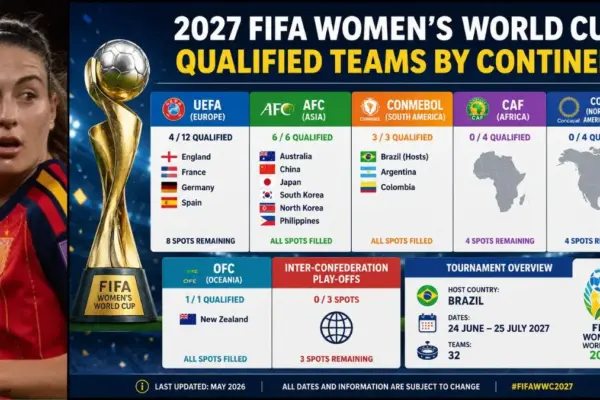
The 2027 tournament (co-hosted by Brazil and Paraguay) will be the first major event to fully enforce the rule. With 32 teams and growing global interest, FIFA expects more female coaches to emerge in the coming years.
This comes amid FIFA’s broader push for gender equality, including increased prize money (300% rise for 2027) and more investment in women’s leagues.
The 2026 men’s World Cup (USA, Canada, Mexico) is not affected, as the rule applies only to women’s tournaments.