
FIFA and the IFAB are replacing the 6-second rule with the FIFA 8-second rule, but why change something that worked? Here’s what you need to know about the new FIFA rules ahead of the 2026 FIFA World Cup.
Soccer is about to get a lot faster. For decades, one of the most frustrating sights for fans has been a goalkeeper clutching the ball, walking slowly across the box, and killing precious seconds while their team leads. While the “6-second rule” has been in the rulebooks for years, it was rarely enforced because the penalty—an indirect free kick inside the box—was seen as too “extreme” by referees.
However, as we approach the 2026 FIFA World Cup, those days are officially over. FIFA and the International Football Association Board (IFAB) have introduced a revolutionary 8-second rule designed to kill time-wasting once and for all.
This isn’t just a minor tweak; it is a fundamental shift that will transform the dynamics of the 48-team tournament in North America.
The Failure of the 6-Second Rule
The old rule failed because it lacked a practical penalty. An indirect free kick 6 yards from the goal often resulted in a chaotic wall of 11 players on the goal line, leading to injuries and controversies. Because of this “nuclear” penalty, referees often allowed goalkeepers to hold the ball for 15, 20, or even 30 seconds without consequence.
In the 2025/26 season, FIFA’s data showed that “effective playing time” had dropped significantly. To fix this before the biggest World Cup in history, the 8-second trial was fast-tracked.
Detailed Breakdown: How the FIFA 8-second rule Works
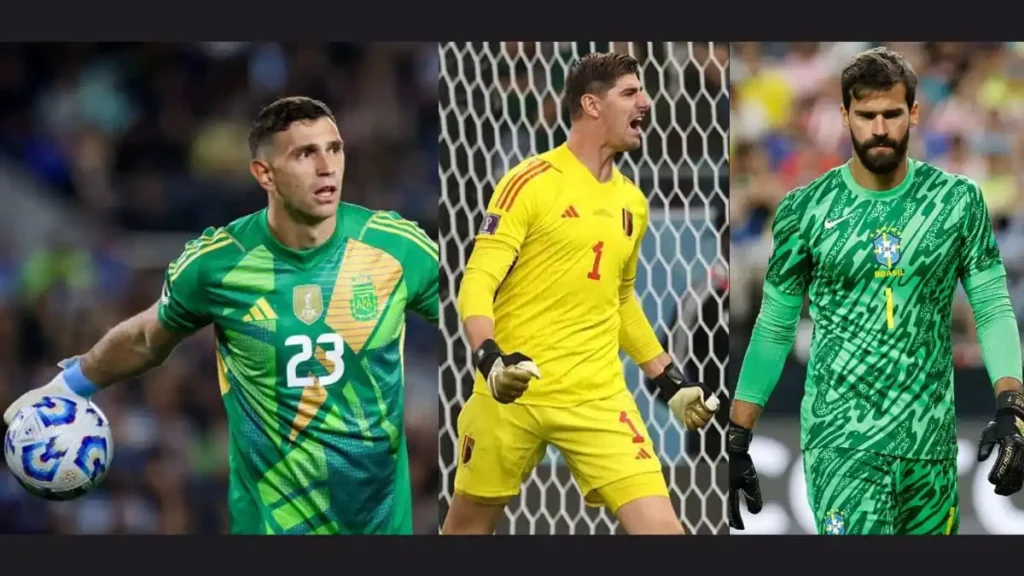
The new rule is built on two pillars: Stricter Timing and a Fairer Penalty.
- The 8-Second Countdown: Once a goalkeeper has clear control of the ball with their hands, they have exactly 8 seconds to release it.
- The Visual Signal: To ensure transparency, the referee will raise their hand when the goalkeeper has held the ball for 3 seconds. The referee’s fingers will then count down the final 5 seconds (5, 4, 3, 2, 1) clearly for the players, fans, and coaches to see.
- The Penalty (The Game Changer): If the goalkeeper fails to release the ball within 8 seconds, the opposing team is awarded a Corner Kick (or in some trial formats, a throw-in level with the penalty spot).
- The Signal: To help goalkeepers track the time, referees will perform a visual countdown:
- The referee counts the first 3 seconds “silently”.
- At the 5-second mark, the referee raises their hand and uses their fingers to count down the remaining 5 seconds.
- The referee may also verbally count to assist the goalkeeper and teammates.
Old Rule vs New 8-Second Rule
| Feature | Old (6-Second Rule) | New (8-Second Rule) |
| Time Limit | 6 Seconds (Rarely enforced) | 8 Seconds (Strictly enforced) |
| Ref’s Signal | None | Visual 5-second hand countdown |
| Penalty | Indirect Free Kick in the box | Corner Kick |
| Discipline | Verbal Warning | Yellow Card (for repeat offenses) |
3 Ways This Rule Will Change the 2026 World Cup
The introduction of a corner kick as a penalty changes the tactical landscape of the game. Here is how it will impact the tournament in the USA, Mexico, and Canada:
1. The End of “Late-Game Dying”
In knockout stages, teams leading by one goal often rely on their keeper to “die” on the ball during the final 10 minutes. With the referee now providing a visual countdown, that psychological pressure will force keepers to play the ball. If they don’t, they risk giving away a corner—a high-percentage goal-scoring opportunity.
2. Tactical Pressing of Goalkeepers
Forward-thinking managers like Pep Guardiola and Thomas Tuchel will likely instruct their strikers to “stay” near the keeper. If a striker knows the keeper is on a 5-second countdown, they can block passing lanes, forcing the keeper into a rushed mistake or an 8-second violation.
3. More Goals and More Drama
The World Cup thrives on drama. Imagine a 94th-minute scenario where a goalkeeper forgets the count, the referee signals a corner, and the trailing team scores a last-gasp equalizer from that set-piece. It will be one of the most talked-about aspects of the 2026 edition.
What the Experts Are Saying
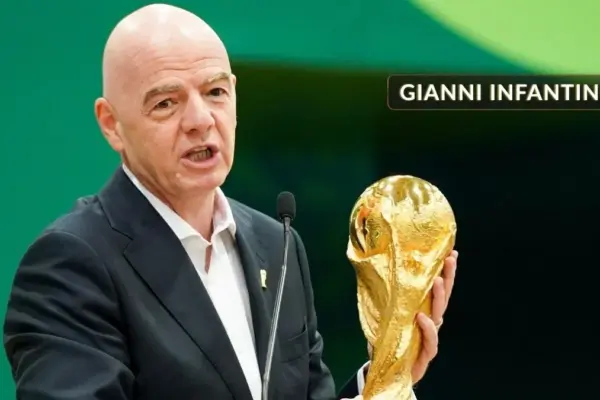
Former officials have praised the move, noting that the “Visual Countdown” removes the excuse of “I didn’t know how much time was left.” FIFA President Gianni Infantino has previously stated that “Football must evolve to respect the fans’ time,” and this rule is the centerpiece of that evolution.
However, some goalkeepers, including Argentina’s Emiliano Martínez, have raised concerns. “In a loud stadium with 80,000 fans, it’s hard to focus on the referee’s hand while looking for a pass,” Martínez noted during a recent press conference. This tension between “Game Speed” and “Player Concentration” will be a major storyline this June.
A Faster, Fairer World Cup
The 8-second rule is a bold step toward making football a continuous spectacle. By replacing a confusing penalty with a standard corner kick, FIFA has made the rule enforceable and fair.
As we count down the days to the opening match in Mexico City, goalkeepers around the world are practicing their distribution speed—because in 2026, every second truly counts.