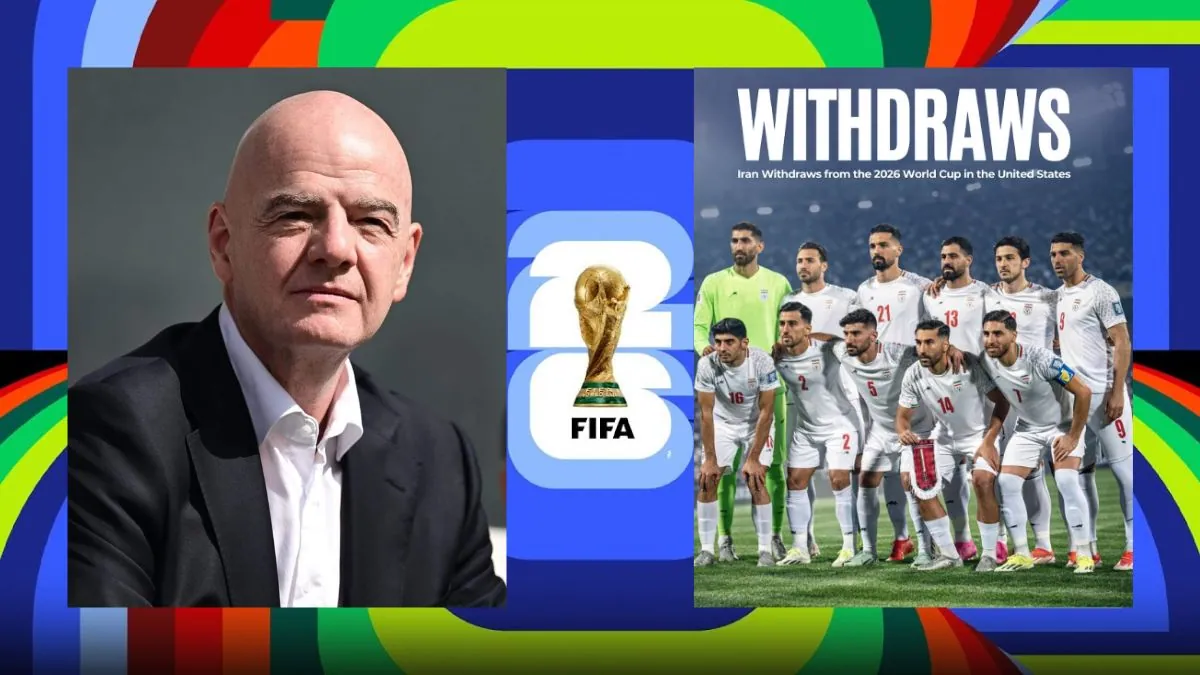
With the 2026 FIFA World Cup now just 57 days away, FIFA President Gianni Infantino has once again insisted that Iran will participate in the tournament. However, the situation remains highly fluid as the Iranian Football Federation (IFF) continues to maintain its conditional threat of withdrawal, creating a daily cycle of conflicting statements that has left fans, players, and the Soccer world in a state of uncertainty.
In a brief media interaction today, Infantino reiterated:
“Iran is coming to the World Cup. They are one of the 48 qualified teams and we are working hard to ensure their safe participation.”
This is the third time in the last six weeks that Infantino or senior FIFA officials have publicly expressed confidence in Iran’s presence.
Every time FIFA makes a statement, the Iranian side responds by repeating its conditions or raising new concerns, keeping the issue unresolved.
Iran Is Coming to Play the 2026 FIFA World Cup, but the Timeline of Changing Statements
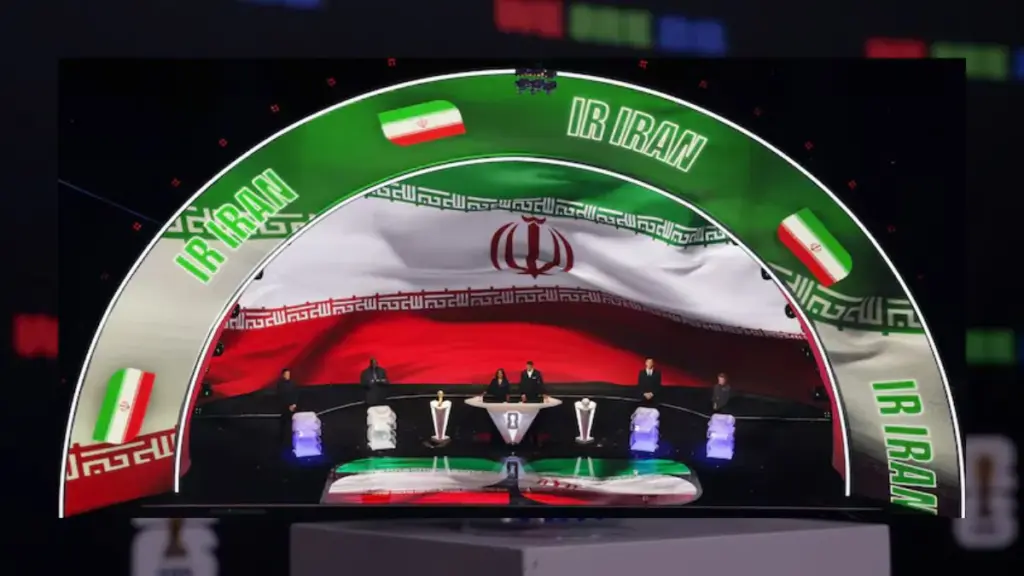
The back-and-forth has been ongoing since late February:
- February 26: Ayatollah Ali Khamenei dies. US airstrikes on Iran intensify.
- February 28: Iran’s FA threatens withdrawal, saying participation is “no longer possible” while the country is under attack.
- March 1: FIFA says it is “monitoring developments closely” and remains in contact with Iran.
- March 2: Iranian officials repeat the threat, calling the US “not a safe host.”
- March 3: FIFA Secretary General Mattias Grafström says “we are prepared for all scenarios” and mentions standby teams (Uzbekistan and Iraq).
- March 10–15: Iranian officials call Infantino’s comments “premature and unrealistic.”
- March 20: FIFA gives Iran an unofficial deadline of April 30 to confirm participation.
- April 14: Infantino publicly declares “Iran is coming” and insists the tournament will have all 48 teams.
- April 15: Infantino again affirms Iran’s participation, while the IFF says “the situation remains unchanged” and participation is still “neither safe nor appropriate.”
This back-and-forth has created a chaotic situation rarely seen before a major tournament.
This daily shifting of positions has created a highly unusual situation so close to the start of the tournament.
Iran’s Current Position
The Iranian Football Federation has not formally withdrawn yet, but its latest statement on April 14 made clear that the core issues remain unresolved:
- Ongoing military conflict with the United States (a co-host nation)
- The extended national mourning period
- Security risks for players, officials, and fans traveling to and playing in the United States
- Several senior Iranian players have reportedly told the federation privately that they do not feel comfortable traveling to the US under the current circumstances.
FIFA’s Strategy and Contingency Plan
FIFA is walking a tightrope. While Infantino insists Iran is coming, the organization has quietly activated contingency plans:
- Uzbekistan remain on official standby as a potential replacement in Group G.
- If Iran withdraws, Group G will be reduced to three teams (Belgium, Egypt, New Zealand). Each team will play only two group matches instead of three.
- FIFA has set an internal deadline of April 30, 2026, for Iran to give a final confirmation. If no confirmation is received, a replacement will be announced shortly after.
FIFA’s priority remains “a safe World Cup with as many qualified teams as possible,” but officials admit privately that the situation is extremely delicate.
Why Iran Is Threatening to Withdraw

Iran’s position is based on three main points:
- Active military conflict with the United States (one of the co-hosts).
- The 40-day national mourning period after Khamenei’s death, which has halted most public and sporting activities.
- Security and political concerns about traveling to and playing in the United States.
Several Iranian players have reportedly told the federation privately that they do not want to play in the US under current conditions.
Reactions from Players and Other Federations
- Iranian players: Mixed. Some support the withdrawal on principle, while others are devastated at missing the World Cup.
- Belgium FA (Iran’s group opponents): “We respect Iran’s position but hope football can still bring people together.”
- US Soccer: No direct comment, but sources say they are preparing for the possibility of Iran not coming.
Financial Impact on Iran

If Iran ultimately boycotts, the federation and players stand to lose an estimated $18–28 million in prize money, broadcasting revenue share, sponsorships, and future development funds. This would be a severe financial blow to Iranian football.
FIFA’s Bigger Challenge
The 2026 World Cup represents a significant change as it will be the first edition with 48 teams, hosted across three countries.
However, it is already encountering several challenges, including visa delays in Canada, human rights issues in certain U.S. states, and high ticket prices. Additionally, the situation regarding Iran introduces another layer of geopolitical complexity that FIFA must handle with care.
With less than 2 months left until the opening match at Estadio Azteca, FIFA is under pressure to provide clarity. Infantino’s latest statement that “Iran is coming” appears to be an attempt to calm the situation, but the daily shifts in messaging are raising questions about how much control FIFA actually has over this crisis.
The Soccer world is watching closely. Will Iran ultimately participate, or will this become the first major withdrawal since Russia in 2022?
What would happen if Iran pulled out of the race for the 2026 World Cup?

If Iran ultimately withdraws:
- Group G (Iran, Belgium, Egypt, New Zealand) is the most affected. If Iran pulls out, the group becomes a three-team format.
- Ticket Holders: Fans who purchased tickets for Iran’s matches (Los Angeles vs New Zealand, Seattle vs Belgium, and the third fixture) will be offered full refunds or exchanges.
- Schedule Impact: Minimal disruption expected. FIFA has built flexibility into the calendar precisely for situations like this.
- Diversity of the Tournament: A withdrawal would be a significant loss for Asian football representation in the first 48-team World Cup.
The constant changing of statements is creating uncertainty for fans who have already bought tickets, booked flights, and arranged visas. Many supporters from Iran and other countries are now unsure whether to proceed with travel plans.
The Bigger Picture for the 2026 World Cup

The 2026 World Cup are the largest ever, with 48 teams and 104 matches across the USA, Canada, and Mexico. It was supposed to be a celebration of football’s global unity, but the Iran situation has introduced significant geopolitical complexity.
FIFA is under increasing pressure to provide clear and final information. The governing body wants to avoid the first major team withdrawal since Russia in 2022, but the daily changing statements are making that goal increasingly difficult.
The upcoming two weeks will be crucial. Iran’s final decision, along with FIFA’s response, will significantly affect the tournament’s integrity and diversity.