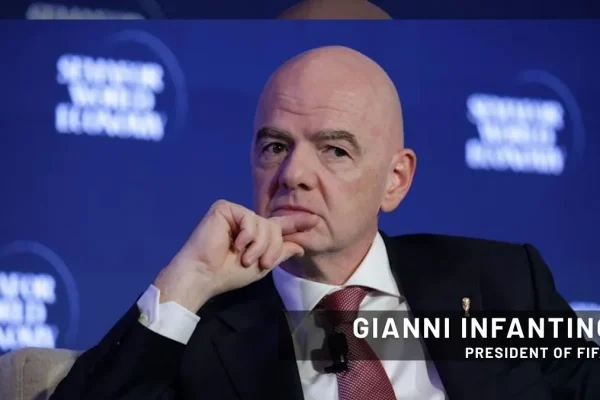
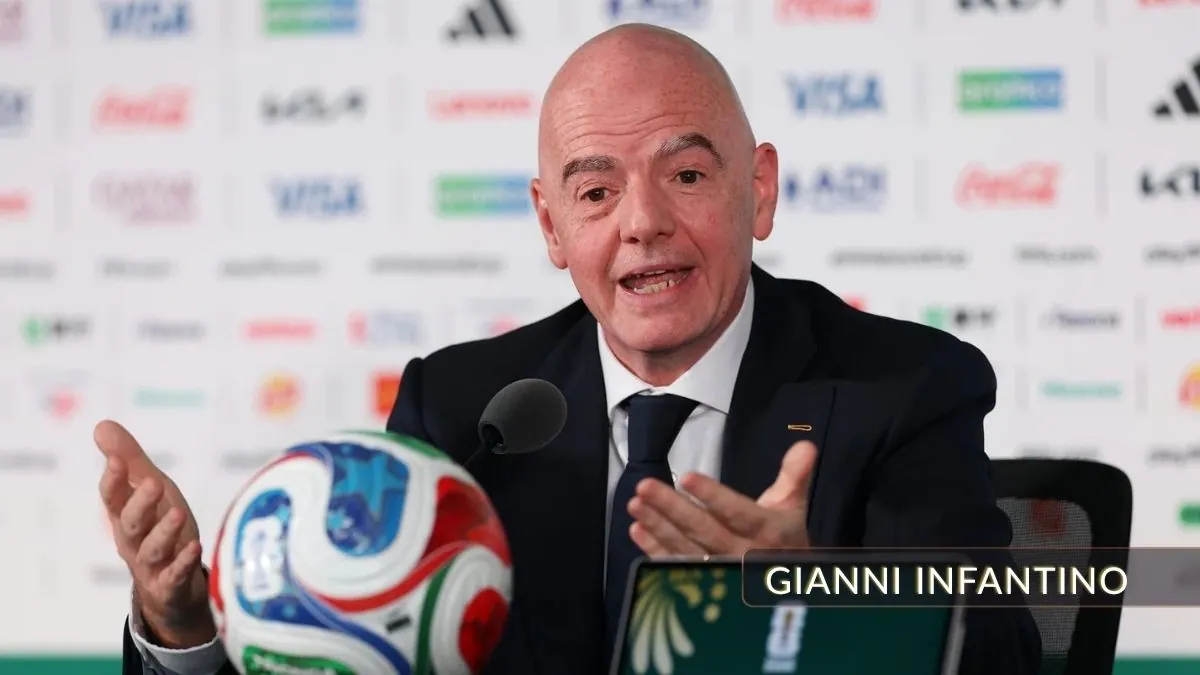
FIFA President Gianni Infantino has confirmed that the governing body will officially examine the possibility of expanding to 64 teams for the World Cup 2030. Speaking in the aftermath of the successful 48-team 2026 World Cup tournament in the United States, Canada, and Mexico, Infantino said the idea of further expansion “is definitely an issue that will be examined and discussed in the relevant committees after this World Cup.”
The comments, made in an interview with Swiss media outlet Bluewin, mark the clearest signal yet that FIFA is seriously considering adding another 16 nations to football’s biggest event.
“The World Cup Is for the Whole World”

Infantino stressed that the tournament should not remain the preserve of traditional powerhouses from Europe and South America.
“When organising a World Cup, it’s important to organise it for the WHOLE world, not just Europe and South America, but effectively the entire world,” he said. “Every nation should be allowed to dream of participating in the World Cup.”
His remarks come just days after the 2026 World Cup quarterfinals concluded, with France, Spain, Argentina, and England reaching the semifinals. The current 48-team format, introduced in 2026, has been widely praised for increasing global participation and delivering packed stadiums across North America.
How a 64-Team World Cup 2030 Would Work
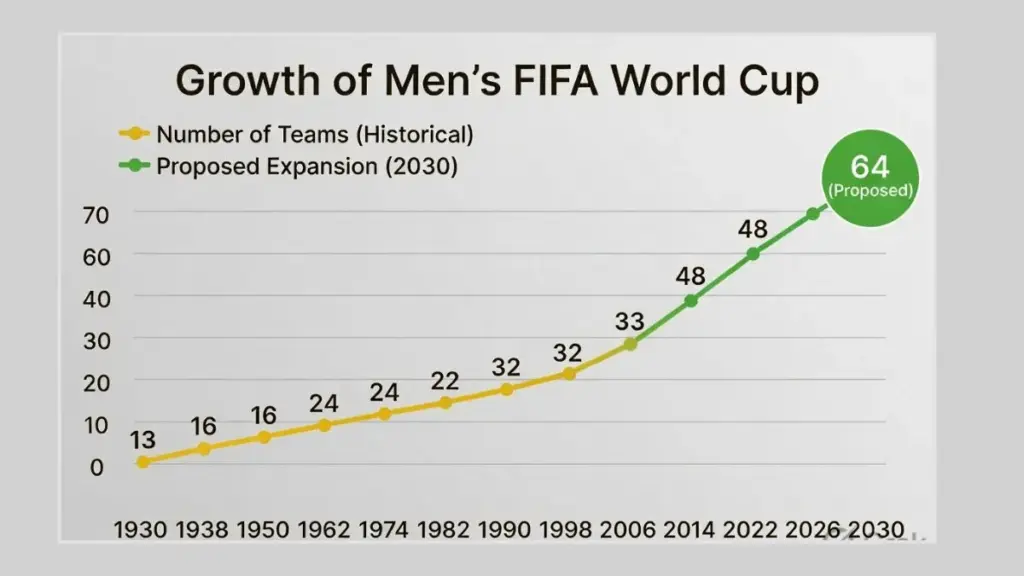
FIFA’s 64-team World Cup concept is currently a proposed expansion.
A 64-team tournament would likely feature 16 groups of four teams, with the top two from each group advancing to the knockout stage. This would increase the total number of matches from 104 (in 2026) to around 136 matches.
This would increase the total match count to 128, with all 10 South American nations potentially gaining entry.
The extra 16 teams would most likely come from Africa, Asia, and smaller European and North American nations that currently struggle to qualify. Proponents argue this would boost football development in emerging regions and generate greater global interest and commercial revenue.
Why FIFA Is Considering Further Expansion
The 2026 World Cup has been a commercial and sporting success so far, with record attendance and strong television audiences. Infantino appears to believe that further growth could accelerate football’s development worldwide, particularly in continents that have historically been underrepresented.
A larger tournament would also create more opportunities for smaller nations to experience the World Cup atmosphere, something Infantino has long championed through FIFA’s development programmes.
However, the idea is not without controversy.
Concerns Over Quality and Player Welfare
Critics argue that expanding to 64 teams would further dilute the quality of matches, leading to more one-sided games in the early stages. There are also serious concerns about player welfare, as an already congested international calendar would become even more demanding.
European clubs and leagues have previously voiced strong opposition to further expansion, warning that it would increase fixture congestion and put additional strain on players.
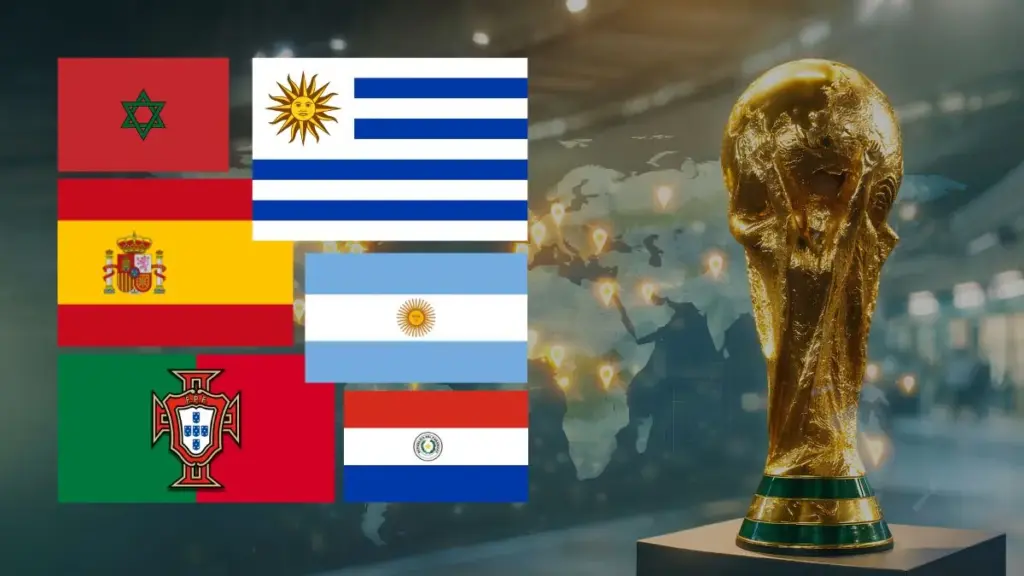
The 2030 World Cup is already set to be one of the most logistically complex editions in history. It will be co-hosted by Morocco, Portugal, and Spain, with three centenary celebration matches taking place in Uruguay, Argentina, and Paraguay. Adding 16 more teams would create significant new challenges for stadium availability, travel, and scheduling.
What Happens in the World Cup 2030?
FIFA’s technical and organisational committees are expected to begin formal discussions on the 64-team proposal once the 2026 World Cup concludes in mid-July. Any decision would ultimately need approval from the FIFA Council.
While Infantino has opened the door, it remains far from certain that the expansion will actually happen. Several confederations and stakeholders would need to reach a consensus, and player welfare groups are likely to push back strongly.
A Defining Moment for FIFA’s Direction
Infantino’s comments represent a clear philosophical stance: he wants the World Cup to continue growing in size and global reach. Whether that growth comes at the expense of sporting quality and player health will be fiercely debated in the coming months.
For now, the focus remains on the 2026 tournament, with the semifinals still to come. But the conversation about the future of the World Cup has already begun — and it could lead to the biggest change in the competition’s format since the expansion to 48 teams.
The World Cup 2030 in Morocco, Portugal, and Spain may yet look very different from what fans currently expect.