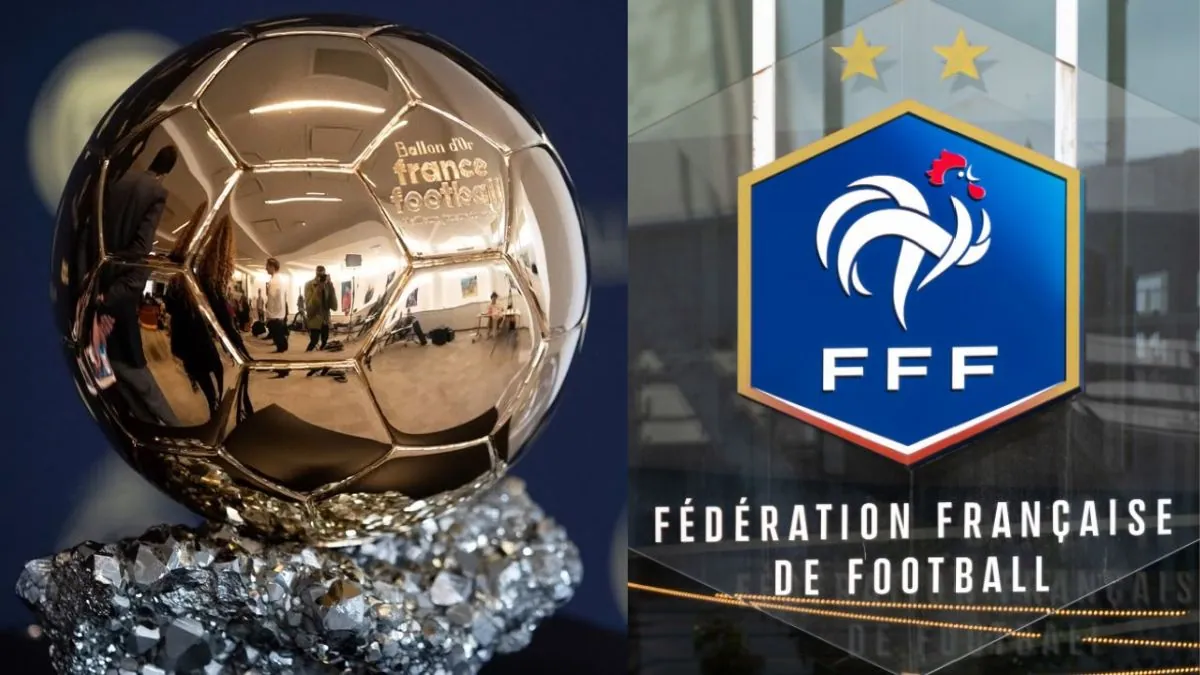
France Football, the organisers of the Ballon d’Or, have issued fresh clarifications on the award’s eligibility rules, settling ongoing debates that intensified during and after the 2026 FIFA World Cup.
The statements confirm two key points that many fans and analysts had been questioning: players do not need to play for a European club to win the award, and winning major team trophies is not a mandatory requirement.
Players Outside Europe Remain Fully Eligible
France Football has reaffirmed that there has been no geographical restriction on club affiliation since 2007. The Ballon d’Or is open to any professional footballer in the world, regardless of the league they play in.
This means Lionel Messi, who has been at Inter Miami in Major League Soccer since 2023, remains fully eligible. Messi already made history in 2023 by becoming the first men’s Ballon d’Or winner representing a non-European club at the time of the ceremony.
The same rule applies to other players based outside Europe, including those in the Saudi Pro League or other non-European competitions.
Since 2007, there’s been no restriction: the Ballon d’Or rewards the best player in the world, full stop.
France Football stated
Team Trophies Are Not Mandatory for Ballon d’Or Eligibility
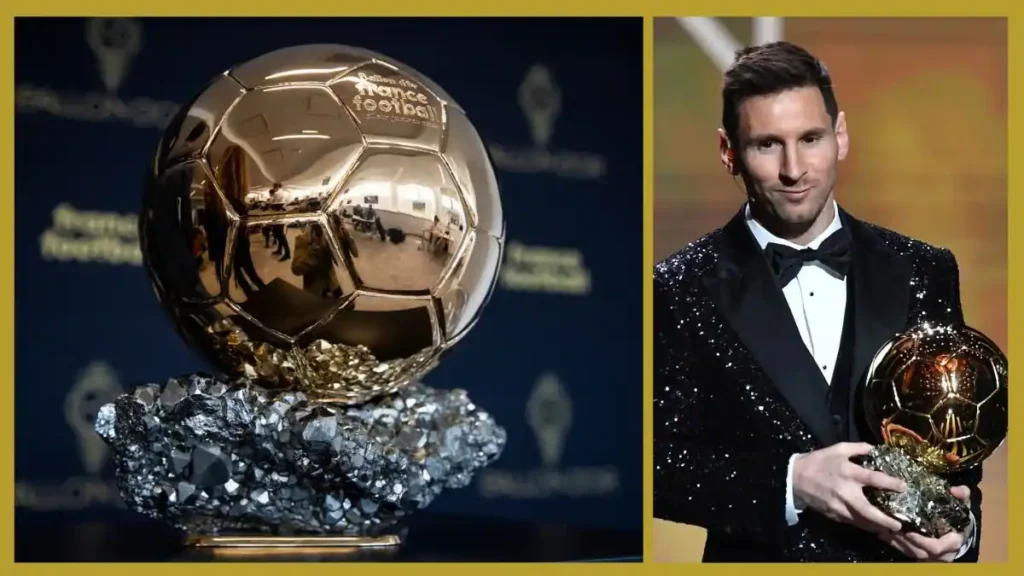
In a separate clarification, France Football confirmed that a player can win the Ballon d‘Or even without lifting a major team trophy during the season.
The organisers pointed to historical examples:
- George Weah (1995)
- Luís Figo (2000)
- Cristiano Ronaldo (2013)
These players won the award primarily on the strength of their individual performances.
France Football emphasised that while team success helps, it is not a strict requirement. The main focus remains on individual impact.
Official Voting Criteria
Voters are instructed to consider three main criteria, in order of priority:
- Individual performances – Decisive and impressive moments throughout the season
- Team performances and achievements – Trophies and collective success help but are not essential
- Class and fair play
The award is based on the full European football season (currently August to July) and is decided by a panel of specialised international journalists.
Why the Clarification Matters Now
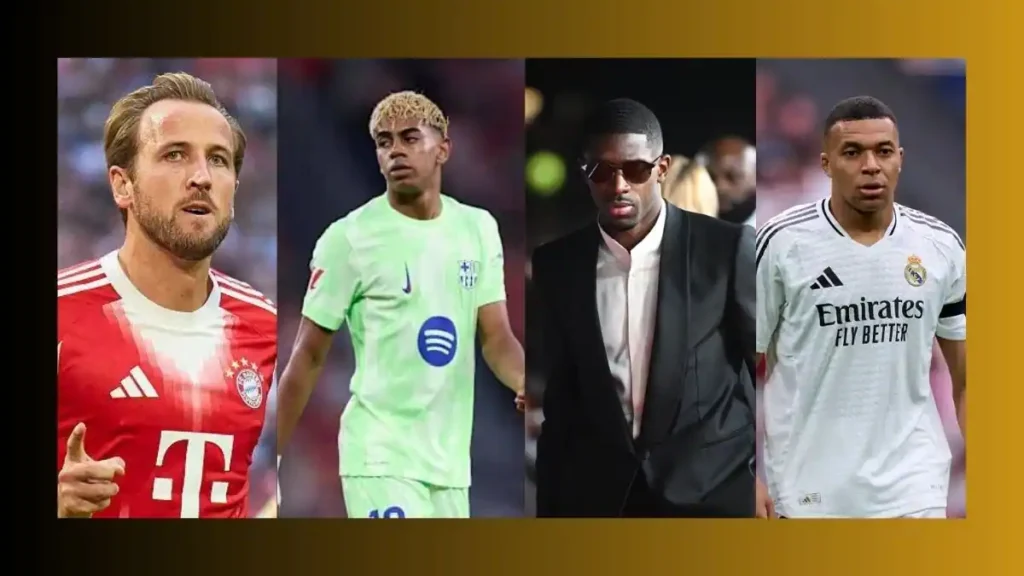
The statements come at a significant time. The 2026 World Cup has reshaped the Ballon d’Or conversation, with strong individual campaigns from players such as Lionel Messi, Kylian Mbappé, Lamine Yamal and others.
By clarifying the rules, France Football has removed ambiguity around eligibility and the relative importance of trophies versus individual brilliance.
Looking Ahead to the 2026 Ballon d’Or
The next Ballon d’Or ceremony is scheduled for later this year. With the World Cup now concluded, the race remains wide open, and these clarifications ensure that outstanding individual performances from any league will be fully considered.
France Football’s message is clear: the Ballon d’Or is awarded to the best player of the season — no more, no less.