In a significant boost for participating nations, the FIFA Council has officially approved a substantial increase in the financial contribution for all 48 teams taking part in the 2026 FIFA World Cup.
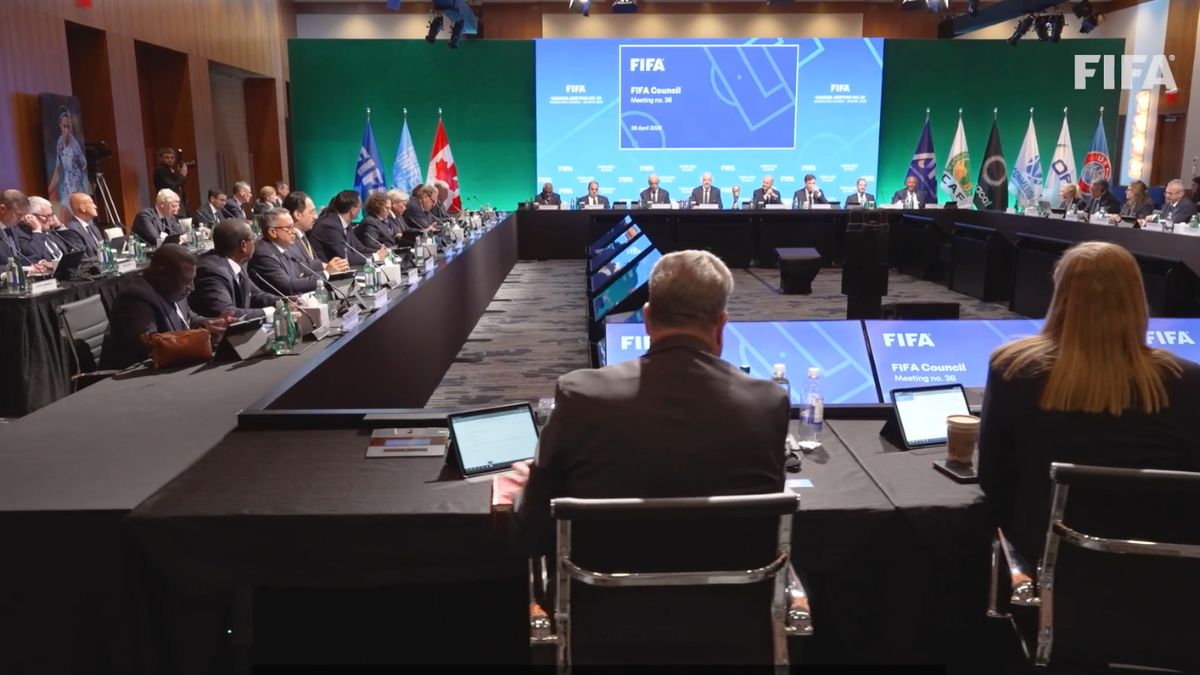
The decision, made during today’s council meeting in Zurich, will see each qualified team receive significantly higher payments than in previous tournaments.
FIFA’s financial distribution to all Participating Member Associations will rise to nearly USD 900 million for the 2026 FIFA World Cup.
According to sources close to FIFA, the total prize money pool and participation fees for the 2026 World Cup will rise to approximately $460–480 million, marking one of the largest financial packages in the tournament’s history.
What the New Financial Package Includes
The enhanced contribution consists of two main parts:
- Increased Base Participation Fee: Every one of the 48 teams will now receive a guaranteed base payment of $9.5 million upon qualification and arrival at the tournament. This is a notable jump from the $8–9 million range previously discussed.
- Performance-Based Prize Money: Additional money will be distributed based on how far each team progresses:
2026 FIFA World Cup Prize Money (updated Breakdown)
The FIFA World Cup 2026 will see a record $871 million distributed to participating teams. Approved by the FIFA Council on April 28, 2026, this boost adds over $100 million to the previously announced $727 million pool, aiming to help nations cover rising travel and operational costs in North America.
- Group stage exit: Additional $2–4 million
- Round of 32: Extra $3–5 million
- Round of 16: Further $6–8 million
- Quarter-finals: $10–12 million
- Semi-finals: $15–18 million
- Runner-up: $25–30 million
- Winner: Up to $50 million
This performance-based structure means a team that reaches the semi-finals could take home well over $30 million, while the eventual champions stand to earn close to $50 million — a record amount for any World Cup.
Why FIFA Is Increasing the Money
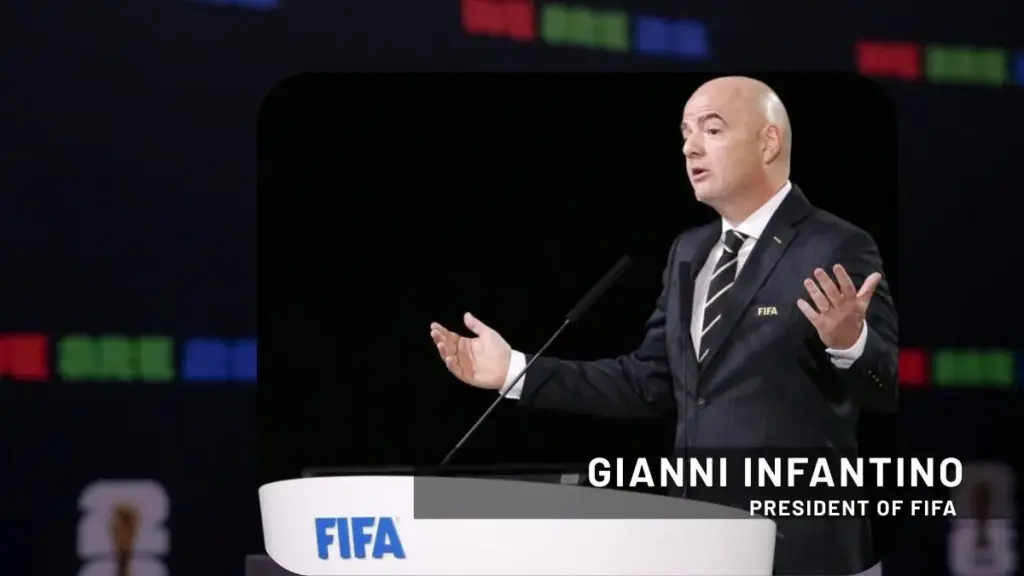
FIFA President Gianni Infantino explained the decision during the council meeting:
“The 2026 World Cup is the largest and most complex tournament we have ever organized. With 48 teams and 104 matches across three countries, we want every participating nation to feel fairly rewarded for their journey. This increase reflects the enormous global interest and commercial success of the event.”
The move also comes amid growing criticism about the financial disparity between the men’s and women’s game. By significantly raising the 2026 men’s World Cup payments, FIFA appears to be preparing the ground for even larger increases in the 2027 Women’s World Cup in Brazil.
How Much More Will Teams Earn Compared to 2022?
In Qatar 2022, the total prize pool was around $440 million. The 2026 increase represents roughly a 10–15% rise in overall distribution. However, because there are 16 more teams this time, the per-team base amount has been carefully balanced to ensure smaller nations also benefit significantly.
For example:
- A team that exits in the group stage in 2022 received about $9–10 million total.
- In 2026, even a group-stage exit is now projected to yield $12–14 million.
This is a meaningful increase, especially for smaller football nations from Africa, Asia, and CONCACAF who often struggle financially.
Reaction from National Federations
The announcement has been largely welcomed:
- US Soccer President: “This is fantastic news for all participating nations and shows FIFA’s commitment to making the 2026 World Cup truly global.”
- Brazilian FA: “We applaud this decision. It will help federations invest more in youth development and grassroots football.”
- Smaller Nations (e.g., Jamaica, Panama, Cape Verde): Many have described the increased base fee as “game-changing” for their domestic programmes.
However, some player unions and fan groups argue that the money should be distributed more directly to players rather than primarily to federations.
Implications for the 2026 Tournament
With the tournament now less than 60 days away, this financial boost is expected to:
- Improve preparation quality for many teams
- Reduce financial pressure on smaller federations
- Encourage greater investment in women’s and youth football back home
- Strengthen the overall commercial appeal of the expanded 48-team format
FIFA has confirmed that the increased payments will be made in several instalments — an initial amount upon arrival in the host countries, followed by performance-based bonuses after each stage.
How is the FIFA Council decision helpful for the 2026 World Cup?

This decision by the FIFA Council is one of the most positive developments in the build-up to the 2026 World Cup. By substantially increasing the financial rewards for all 48 teams, FIFA is sending a clear message: every nation that qualifies deserves to feel valued, regardless of how far they progress on the pitch.
As the countdown continues, this extra financial support could play a quiet but important role in raising the overall quality and competitiveness of the tournament.
The 2026 FIFA World Cup begins on June 11, 2026, at Estadio Azteca in Mexico City. With bigger prize money, record ticket demand, and a truly global field of 48 teams, this edition is shaping up to be the most ambitious and rewarding World Cup ever.