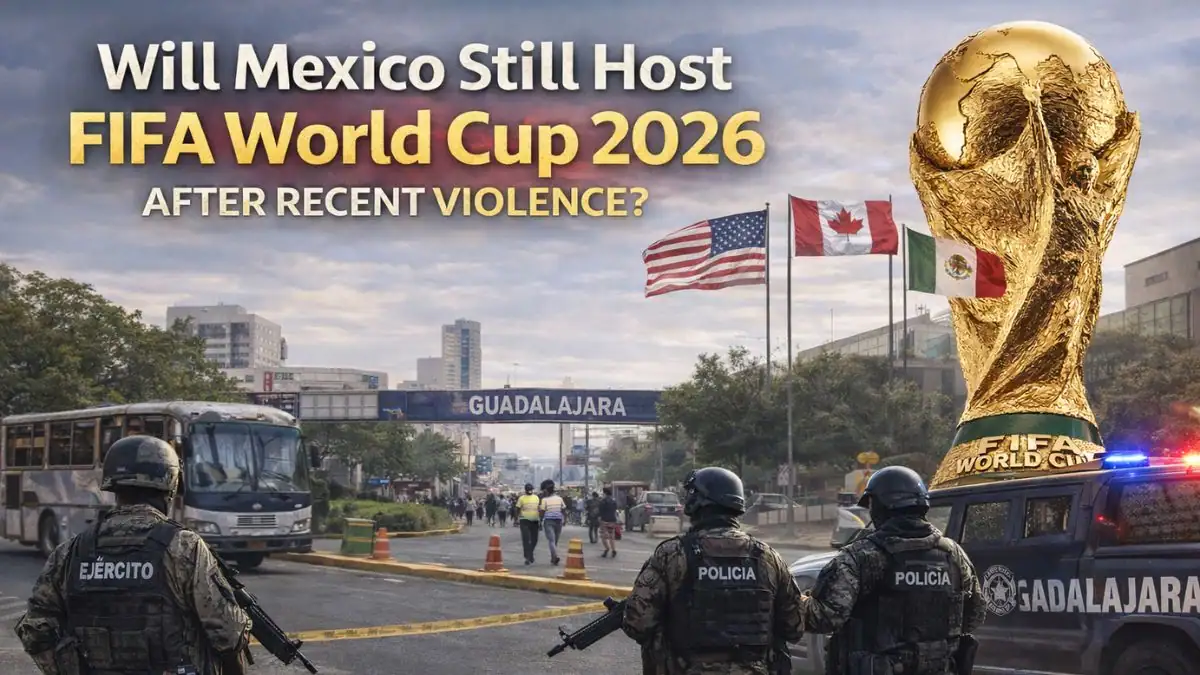
Mexico remains an official co‑host of the FIFA World Cup 2026, sharing duties with the United States and Canada. Yet recent outbreaks of cartel‑related violence in Guadalajara have raised public concern and prompted close monitoring by FIFA and Mexican authorities.
FIFA officials have expressed full confidence in their Mexican partners; however, reports indicate that they are closely monitoring the situation and have requested formal security reports from the Mexican government.
Quick facts at a glance
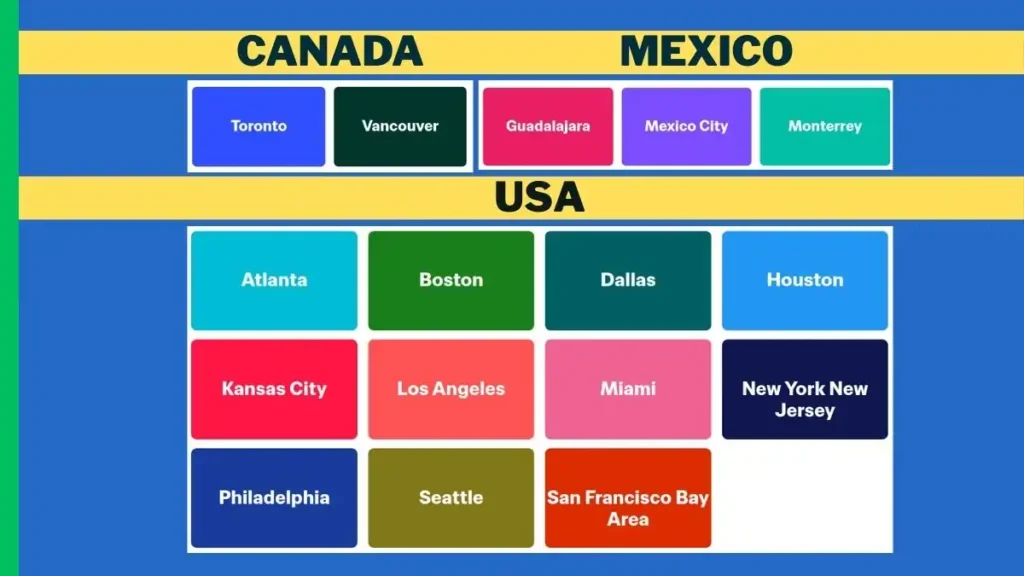
- Hosts: United States, Mexico, Canada.
- Mexican host cities: Mexico City, Monterrey, Guadalajara.
- Main concern: Escalation of violence in Guadalajara after the death of a cartel leader.
What happened in Guadalajara and why it matters

In late February 2026, Guadalajara saw a wave of unrest after security forces targeted a major cartel figure.
Reports described burned vehicles, temporary suspension of some public transport, and localized clashes—events that naturally alarm residents and visiting fans ahead of a global tournament.
Because Guadalajara is scheduled to host multiple World Cup matches, these incidents have put the city’s preparedness and safety plans under the spotlight.
Official responses and the current status of the FIFA World Cup 2026
- Communication: Organizers will prioritize timely updates through official channels; fans should rely on those sources rather than social media rumors.
- Government and FIFA coordination: Federal and local authorities have emphasized that security preparations are underway and that they are working closely with FIFA.
- Visible security measures: Expect increased patrols, checkpoints, and surveillance around match sites and fan areas.
- Contingency planning: FIFA routinely prepares relocation plans for exceptional circumstances; moving a match is a last resort and would follow careful risk assessment.
Practical advice for fans and travellers
- Follow official channels: Check FIFA’s official site and local government advisories for confirmed updates.
- Book flexibly: Choose refundable or changeable travel and accommodation options where possible.
- Register with your embassy or consulate: This helps authorities contact you in an emergency.
- Plan for extra time: Expect longer security checks and possible transport delays on match days.
- Stay local‑aware: Avoid demonstrations and follow instructions from local police and event staff.
What FIFA and local authorities can do now
- Intensify coordination: Joint planning between FIFA, federal security forces, and local police to secure stadiums, fan zones, and transport corridors.
- Visible deterrence: Increased patrols, checkpoints, and surveillance technology around venues and fan areas.
- Contingency options: Predefined relocation plans for fixtures if a venue’s security cannot be guaranteed; FIFA has historically kept such options open in exceptional circumstances.
What fans and visitors should know
- Stay informed: Follow official FIFA channels and local government advisories for the latest travel and match updates.
- Plan travel carefully: Book flexible tickets and accommodations where possible; register with your embassy or consulate if you plan to travel to Mexico for matches.
- On the ground: Expect heightened security at stadiums and fan zones; allow extra time for transport and follow instructions from local authorities.
Balanced outlook
The most likely scenario is that Mexico will host its scheduled matches with reinforced security rather than wholesale relocation.
Authorities have incentives to keep the tournament on schedule—economic, logistical, and reputational—but safety is the top priority.
If conditions change, FIFA and local governments will announce decisions and practical steps for affected fans.