FIFA and UEFA are two of the most powerful organisations in world Soccer, yet many fans often confuse their roles. While both are deeply connected, they operate at very different levels — one is global, the other is continental. Understanding the UEFA vs FIFA difference is essential if you want to know how world football is governed, how money flows, and who really holds the power.
This comprehensive guide explains everything you need to know about UEFA vs FIFA roles, major differences, revenue models, and how they work together in 2026.
What is FIFA?
FIFA (Fédération Internationale de Football Association) is the global governing body of football. Founded in 1904 and headquartered in Zurich, Switzerland, it oversees football worldwide with 211 member associations — more than the United Nations.
Key Roles of FIFA:
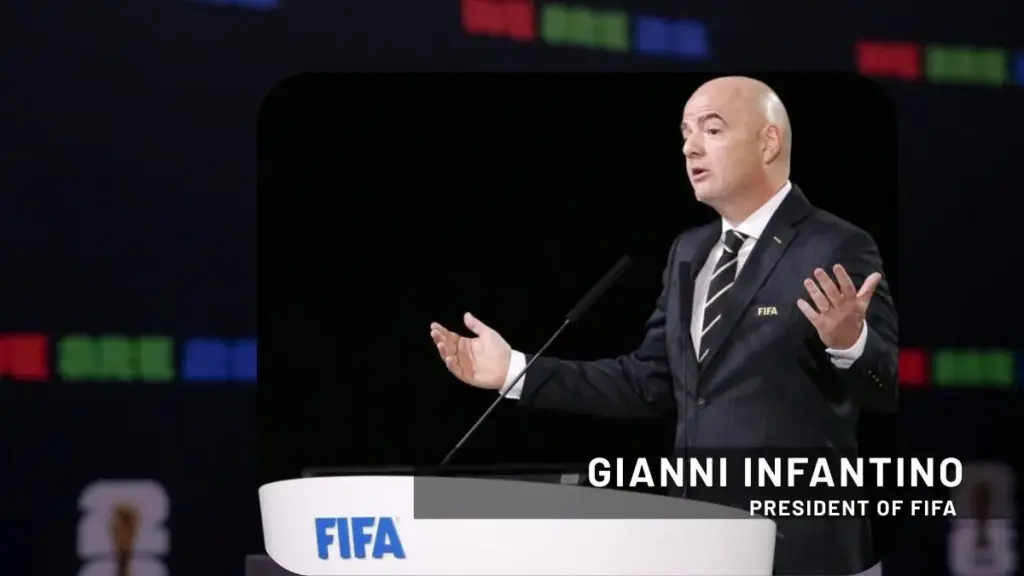
- Organises the FIFA World Cup (men’s and women’s)
- Sets the Laws of the Game (through IFAB)
- Runs global development programmes (Forward Programme)
- Manages international transfers and player status
- Oversees all six continental confederations (UEFA, CONMEBOL, AFC, CAF, CONCACAF, OFC)
- Expands the game in emerging nations
FIFA’s biggest event is the World Cup, which generates the majority of its revenue every four years.
What is UEFA?
UEFA (Union of European Football Associations) is the European confederation of football. Founded in 1954, it is the richest and most powerful of FIFA’s six confederations, representing 55 member associations across Europe.
Key Roles of UEFA:
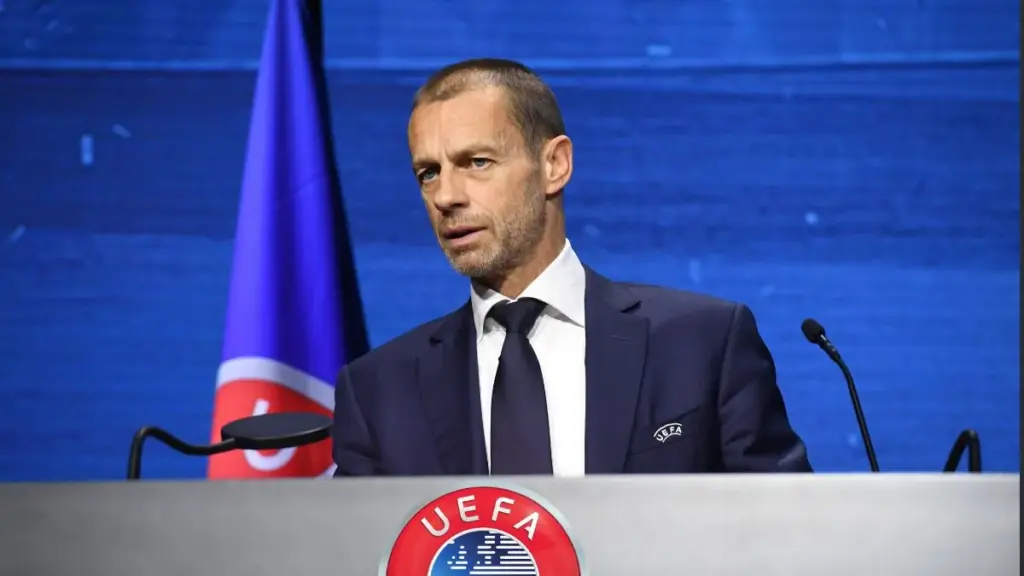
- Organises the UEFA European Championship (Euros)
- Runs Europe’s top club competitions: Champions League, Europa League, and Conference League
- Distributes billions of euros to European clubs every season
- Sets rules for European club football (Financial Fair Play / Squad Cost Ratio)
- Develops football across Europe through grassroots and youth programmes
UEFA is often seen as the most influential confederation because European clubs and leagues generate the highest commercial value in world football.
UEFA vs FIFA: Key Differences
| Aspect | FIFA | UEFA |
|---|---|---|
| Scope | Global (211 member associations) | Europe only (55 member associations) |
| Founded | 1904 | 1954 |
| Headquarters | Zurich, Switzerland | Nyon, Switzerland |
| Main Tournament | FIFA World Cup | UEFA Champions League + European Championship |
| Revenue Model | Cyclical (peaks every 4 years) | Stable annual revenue |
| Biggest Revenue Source | World Cup broadcasting & sponsorship | Champions League media rights |
| Power | Highest authority in world football | Most powerful confederation (especially financially) |
| Recent Revenue (2023-26) | ~$13 billion (cycle) | ~€3.3 billion distributed to clubs (2024/25) |
Roles and Responsibilities: How They Interact
FIFA is the parent body. UEFA is one of its six continental confederations. This means:
- UEFA must follow FIFA’s global rules and Laws of the Game.
- However, UEFA has significant autonomy in running European competitions and distributing money to its clubs.
- FIFA cannot directly interfere in UEFA’s day-to-day operations, but it can overrule decisions that contradict global statutes.
- Many top European clubs and leagues (Premier League, La Liga, Bundesliga) have more commercial power than most national teams, which gives UEFA strong leverage in global discussions.
This relationship sometimes creates tension — especially when UEFA clubs want more influence over the international calendar or World Cup format.
Revenue Comparison: Who Makes More Money?
This is where the biggest differences appear.
FIFA Revenue (2023–2026 Cycle)
- Total projected revenue: $13 billion
- 2026 World Cup alone is expected to generate $8.9 – $10.9 billion
- Main sources: Broadcasting rights, sponsorships, hospitality, and licensing
- FIFA reinvests a large portion into global development programmes
UEFA Revenue
- In the 2024/25 season, UEFA distributed €3.3 billion to clubs from its three main competitions (up 22% from the previous season).
- Champions League alone distributed around €2.4 – €2.47 billion to participating clubs in 2025/26.
- UEFA’s overall European club football ecosystem is approaching €30 billion in total revenue.
Key Insight:
While FIFA generates huge revenue every four years from the World Cup, UEFA generates massive annual revenue through its club competitions. European clubs receive far more money from UEFA competitions than most national teams receive from FIFA.
UEFA vs FIFA Power Dynamics in 2026
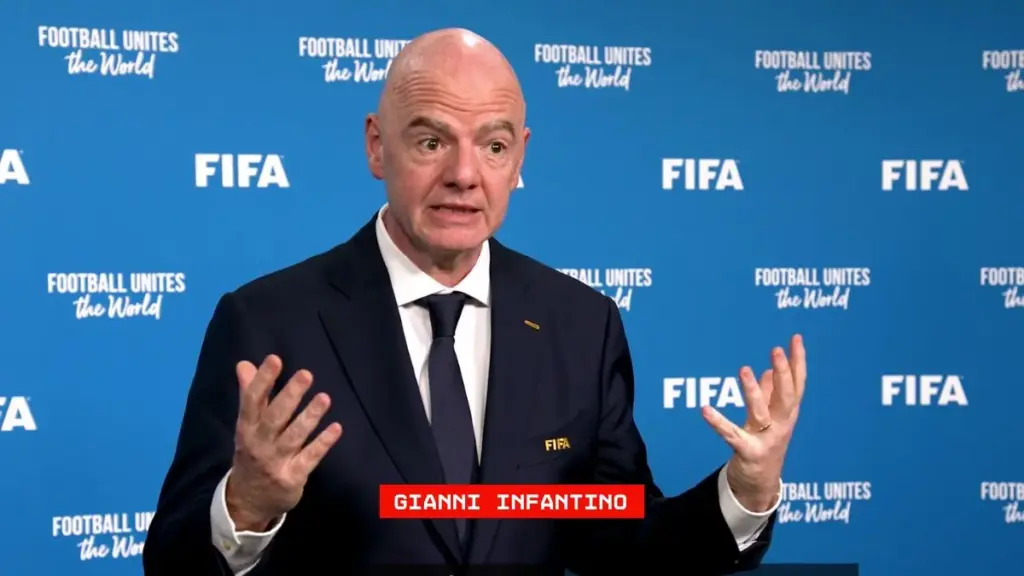
- FIFA holds ultimate authority over the Laws of the Game, international matches, and the World Cup.
- UEFA controls the richest club competitions in the world and has strong influence over the international calendar because top European clubs provide the majority of players for national teams.
- The expansion of the FIFA Club World Cup and the new UEFA Champions League format have increased competition between the two organisations for dates, player welfare, and commercial rights.
Summary: Who Really Controls World Football?
| Question | Answer |
|---|---|
| Who organises the World Cup? | FIFA |
| Who runs the Champions League? | UEFA |
| Who has more money annually? | UEFA (through club competitions) |
| Who has global authority? | FIFA |
| Which has more commercial power? | UEFA (due to European club wealth) |
Final Thoughts on UEFA vs FIFA
FIFA and UEFA are not rivals in the traditional sense — they are interconnected. FIFA provides the global framework, while UEFA delivers the highest commercial product through its club competitions. However, the growing financial power of European clubs has shifted influence toward UEFA in recent years.
As we head into the 2026 World Cup and beyond, the relationship between these two giants will continue to shape the future of football — from the international calendar to how money is distributed across the game.