As the countdown to June 11, 2026, ticks down, the FIFA World Cup is no longer just a soccer tournament — it’s a massive catalyst reshaping America’s $200+ billion hospitality industry.
With 11 U.S. host cities (Atlanta, Boston, Dallas, Houston, Kansas City, Los Angeles, Miami, New York/New Jersey, Philadelphia, San Francisco Bay Area, and Seattle) and a projected $30.5 billion economic impact plus 185,000 new jobs, the event is forcing hotels, restaurants, and tourism operators to innovate at warp speed.
How the 2026 FIFA World Cup is Completely Transforming America’s Hospitality Industry Forever

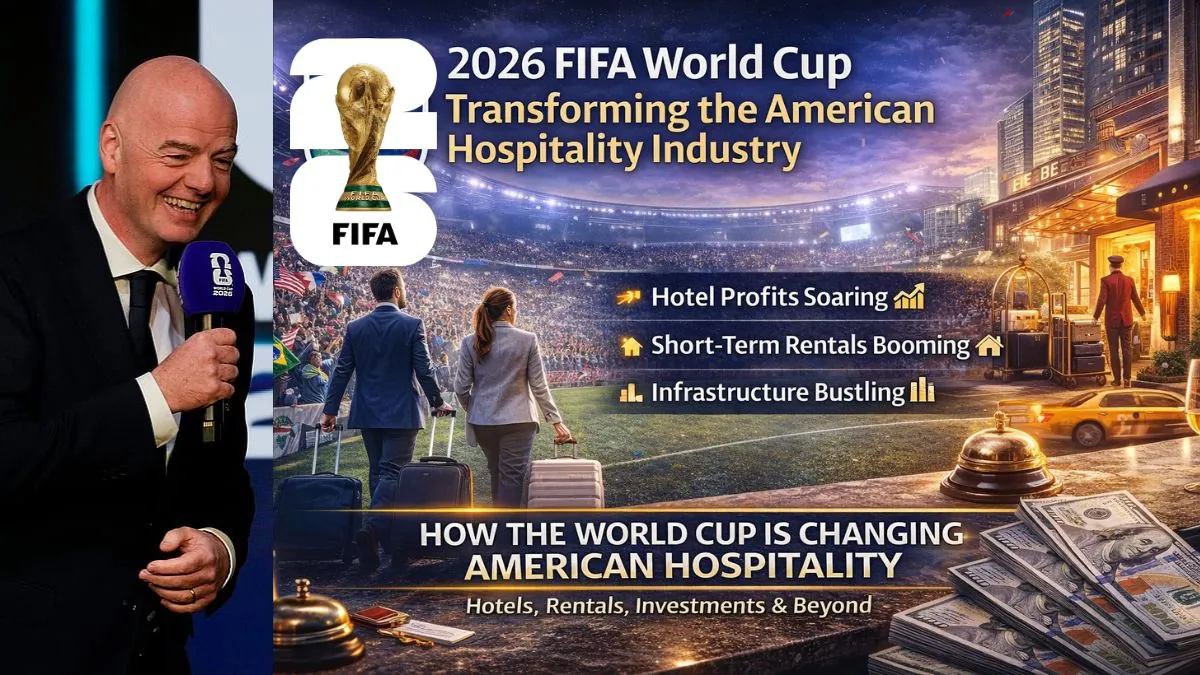
The 2026 FIFA World Cup is already reshaping America’s hospitality industry, driving record hotel rates, Airbnb offers surging demand for rentals, and major infrastructure upgrades across host cities.
Here’s exactly how the World Cup is redefining the landscape:
1. Hotel Rates & Revenue Are Surging — and So Are Investments
Host-city hotels have already hiked average daily rates (ADR) by 55% year-over-year, with some properties seeing 300%+ spikes after the 5 December 2025 draw schedule release. New York leads at ~$583/night, while Houston and Atlanta have seen jumps as high as 457%.
CoStar and Tourism Economics forecast a 13% RevPAR lift in the 11 U.S. host markets during June–July 2026 — though the national picture is more modest at just 1.7%. This rate-led boom is driving billions in new hotel developments, renovations, and expansions.
Miami’s Atkeson-managed properties are undergoing major upgrades, while Houston’s JW Marriott is investing heavily in concierge services tailored for international guests.
2. Short-Term Rentals & Alternative Lodging Are Exploding
Major cities like New York are scrambling — business leaders are urging Mayor Mamdani to temporarily suspend Airbnb restrictions because the city’s 135,000 hotel rooms simply won’t be enough. Similar conversations are happening nationwide as fans seek affordable options beyond traditional hotels.
This is accelerating the integration of short-term rentals into mainstream hospitality, forcing traditional operators to compete on flexibility, local experiences, and pricing transparency.
3. Infrastructure & Transit Are Getting a Permanent Glow-Up
The World Cup is fast-tracking legacy projects that will benefit the industry for decades:
- Atlanta’s MARTA is rolling out new railcars, contactless payments, multilingual announcements, and direct airport-to-stadium service — changes designed to last 20+ years.
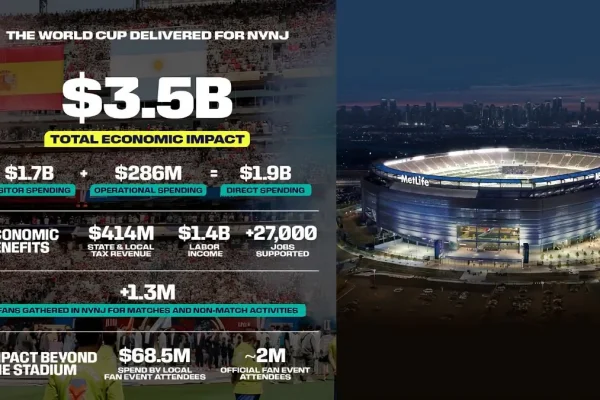
- New York/New Jersey is pouring millions into MetLife Stadium upgrades (sound systems, seating, VIP areas).
- Secondary cities like Las Vegas are positioning themselves as “base camps” for fans traveling between matches.
These improvements aren’t temporary — they’re permanent upgrades that will make U.S. cities more attractive for future mega-events and everyday tourism.
4. Guest Experience Is Shifting from “Bed & Breakfast” to “Global Fan Festival”
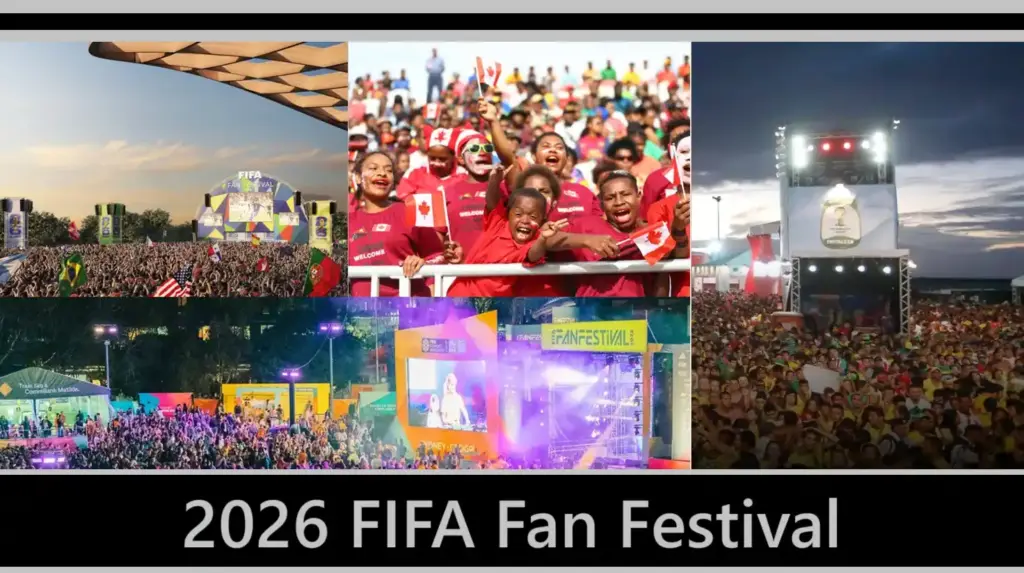
Hotels are no longer just places to sleep. Operators are creating:
- Fan Festival
- Multilingual staff training
- Soccer-themed F&B menus
- Watch parties and cultural activations
- “Fans First” packages with local dining, entertainment, and immersive experiences
JW Marriott Houston’s Director of Operations Mary Ryan sums it up: “We’re focusing on enhancing our amenities to cater to international guests… ensuring visitors have an unforgettable stay.”
This marks a permanent shift toward experiential, culturally sensitive hospitality that will remain long after the final whistle.
5. The Challenges: A Reality Check on the Boom
Not everything is rosy. International visitor numbers are down, airline bookings from Europe and Asia have dipped, and strict visa policies plus new fees are creating friction. Experts warn that international fans (who spend ~4x more than domestic ones) may not arrive in the expected numbers, potentially limiting the full economic lift.
Occupancy for World Cup dates is still in single digits in many cities nine months out, and some hotels are holding inventory with minimum-stay requirements.
The Long-Term Legacy: America as a Global Hospitality Powerhouse

The 2026 FIFA World Cup is prompting the U.S. hospitality industry to modernize, expand its international reach, and adopt a broader perspective, regardless of whether the immediate numbers meet projections. Upgrades to infrastructure, innovative revenue models, AI solutions a focus on experiential offerings, and global marketing efforts will create a lasting impact.
As AHLA spokesman Ralph Posner stated, the tournament resembles “executing nearly eighty Super Bowls within a singular month-long window.”
When the final plays out at MetLife Stadium on July 19, 2026, America’s hotels, restaurants, and cities won’t just have hosted the biggest World Cup ever — they’ll have been permanently redefined by it.
The beautiful game is about to make American hospitality even more beautiful — and more competitive — on the world stage.