

As the FIFA World Cup 2026 approaches—set to be co-hosted by the United States, Canada, and Mexico from June 11 to July 19— the excitement is overshadowed by mounting calls for a boycott. The tournament, expanding to 48 teams and spanning 16 venues across North America, is poised to be the biggest World Cup ever.
Yet, social media hashtags like #BoycottWorldCup are trending, fueled by concerns over U.S. politics, human rights, ticket prices, and more.
These protests echo past controversies, such as the 2022 Qatar World Cup boycotts over migrant worker deaths. But why exactly are fans, activists, and even nations urging a pullout from the 2026 FIFA World Cup edition?
Here’s a breakdown of the top reasons driving the Boycott the FIFA World Cup 2026 movement, based on recent reports and online discussions.
1. U.S. Political Climate and Safety Concerns Under Trump

A major catalyst for boycott calls is the re-election of Donald Trump and his administration’s policies, which many view as hostile to immigrants and international visitors. Trump’s recent threats to “start hitting land” in Mexico to combat drug cartels have escalated tensions, especially since Mexico is a co-host.
Critics argue this undermines the tournament’s spirit of global unity, with fears that political exclusion could bar certain nations or fans from attending.
The fatal shooting of Renee Good, an unarmed woman, by a U.S. Immigration and Customs Enforcement (ICE) officer in Minneapolis has amplified safety worries.
Activists like Ajamu Baraka have highlighted this incident, stating the U.S. is “not a safe place for visitors & immigrants.” Social media users are canceling tickets, with some hoping U.S. stadiums become “ghost towns” while Canada and Mexico’s venues fill up.
Broader U.S. actions, such as interventions in Venezuela, have drawn comparisons to authoritarian-hosted World Cups like 1934 Italy or 1978 Argentina.
2. High Ticket Prices and Accessibility Issues
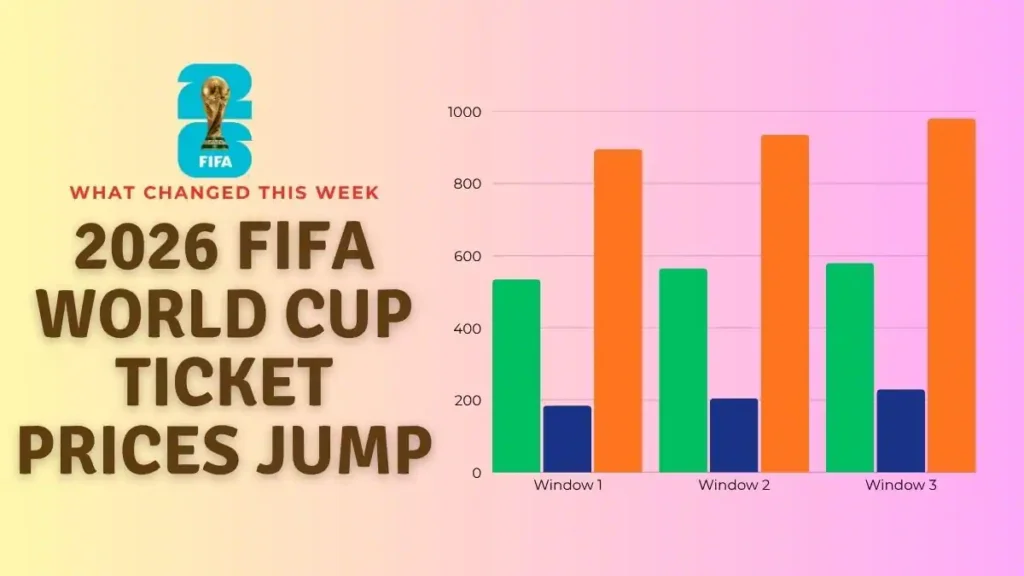
FIFA’s dynamic pricing model has sparked outrage, with tickets for key matches soaring to exorbitant levels—some finals seats rumored to exceed $10,000.
This pricing strategy is seen as a “scam” that excludes average fans, turning the World Cup into an elite event.
Boycott advocates argue it prioritizes profit over passion, alienating the global football community that funds FIFA’s coffers.
3. Tournament Expansion to 48 Teams: “Bloated” and Diluted Quality
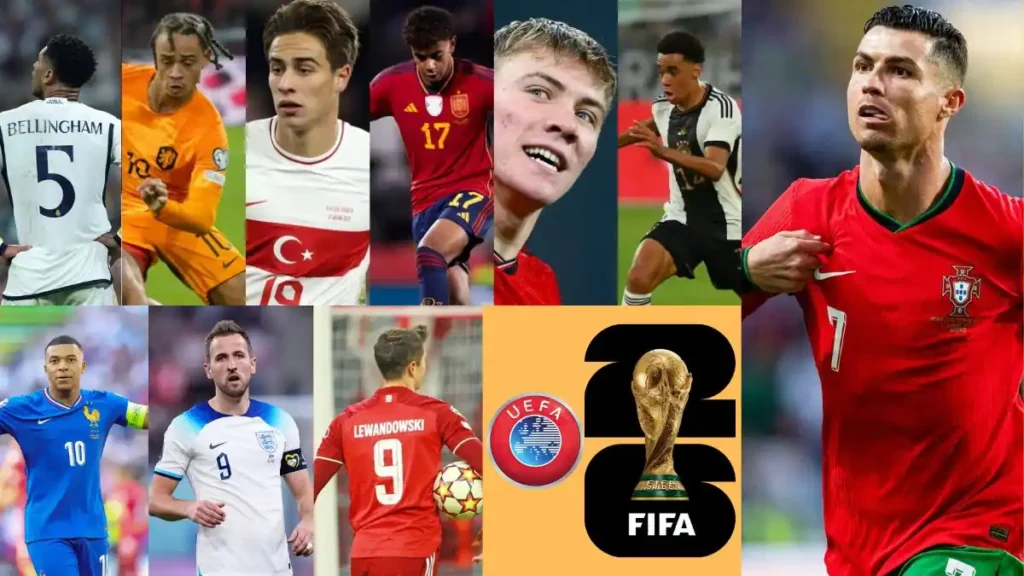
The jump from 32 to 48 teams is criticized as over-commercialization, bloating the event with more matches (104 total) and potentially lower-quality games.
Detractors say this diminishes the tournament’s prestige, increases player fatigue, and exacerbates environmental impacts from travel across three countries.
With future editions like 2030 spanning three continents and 2034 in Saudi Arabia already facing scrutiny, 2026 is viewed as the start of FIFA’s “final loss of way.”
4. Human Rights and Geopolitical Tensions
Boycott calls also stem from broader human rights concerns, including U.S. immigration policies and global conflicts.
Some link it to Israel’s participation amid ongoing Middle East tensions, with over 30 legal experts and nations like Spain, Turkey, and Ireland pushing for bans similar to Russia’s exclusion over Ukraine.
FIFA’s perceived hypocrisy—banning Russia but staying silent on other issues—fuels accusations that politics dictate who can participate.
5. Environmental and Logistical Nightmares
Spreading games across vast distances in North America raises carbon footprint alarms, especially after FIFA’s past environmental claims.
Combined with personal safety fears in the U.S.—from gun violence to political unrest—many international fans are opting out.
The Growing Momentum: Social Media and Activist Push

On platforms like X, Instagram, and Reddit, #BoycottWorldCup has exploded, with thousands urging fans to protest by staying home or lobbying teams to withdraw U.S. hosting rights (similar to Russia’s 2023 IIHF removal).
Reddit threads criticize FIFA’s “money-hungry” stance, while Facebook posts call for unity against “dictatorial policies.” Despite this, skeptics doubt a full boycott will materialize, given football’s addictive pull.
Will the Boycott Succeed? FIFA’s Response and What’s Next
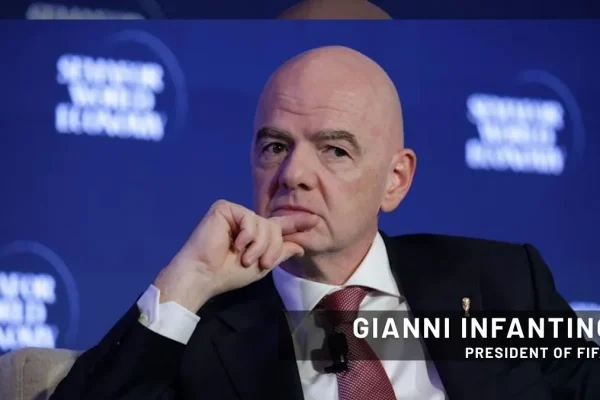
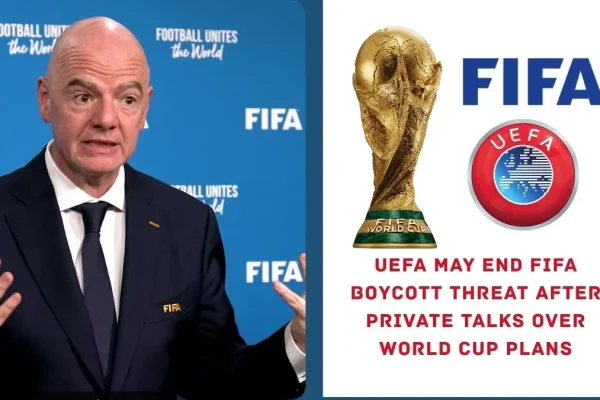
FIFA and President Gianni Infantino have remained largely silent, emphasizing the World Cup’s role in uniting nations. However, if ticket sales slump or teams lobby for changes, pressure could mount. For now, the movement highlights deeper frustrations with FIFA’s governance and host selections.
Key Voices Calling for Boycott
- Sepp Blatter (Ex-FIFA President): On January 28, 2026, Blatter backed fan boycotts of U.S. matches, citing Trump’s “conduct at home and abroad.” “If fans want to boycott because of things happening politically, I can support that,” he posted on social media, drawing mixed reactions.
- Oke Göttlich (St. Pauli President, DFB VP): In late January, Göttlich reiterated his call for a “serious discussion” on boycotting, labeling the U.S. under Trump as unsuitable.
- Dutch Petition: A public petition urges the Netherlands not to participate, citing “dangers” and gaining traction amid EU solidarity.
- Other European Politicians: Figures in Denmark, France, and the UK have floated boycotts as a “last resort,” with Jürgen Hardt (German CDU) suggesting it to pressure Trump.
It’s disappointing to see politics affecting football. I hope the 2026 World Cup focuses on the game and unity