
In a significant development that could disrupt preparations for the 2026 FIFA World Cup, workers at SoFi Stadium in Los Angeles have formally demanded that U.S. Immigration and Customs Enforcement (ICE) be banned from the venue during the tournament. The SoFi Stadium Workers, represented by their union, have threatened to go on strike if their demand is not accepted.
SoFi Stadium is one of the most important venues for the 2026 World Cup. It is scheduled to host several high-profile matches, including games involving the United States men’s national team (USMNT) and potentially knockout-stage fixtures.
SoFi Stadium Workers Demand and Union Statement
The union representing stadium workers, including security staff, cleaning crews, hospitality personnel, and maintenance teams, issued the demand in an official letter sent to stadium management, FIFA, and local authorities yesterday.
The letter states that the presence of ICE agents inside or around the stadium would create “a climate of fear” for workers and fans, many of whom come from immigrant communities.
The union argues that any ICE activity during the World Cup would violate the spirit of the event and put both employees and international visitors at risk.
A union spokesperson said:
“We are proud to host the world at SoFi Stadium, but we will not work in an environment where our colleagues, their families, or fans live in fear of immigration enforcement. If ICE is allowed inside the stadium or on its premises during the World Cup, we will have no choice but to strike.”
The union has given stadium operators and FIFA a deadline of April 30, 2026 to respond and formally agree to ban ICE operations at the venue.

Why This Demand Matters
This is not the first time immigration concerns have surfaced ahead of the 2026 World Cup. Earlier this year, several human rights organizations issued travel alerts warning international fans about potential ICE activity in host states, particularly Florida and California.
SoFi Stadium, located in Inglewood, Los Angeles, serves a large immigrant workforce and attracts fans from all over the world, including many from Latin America and Asia.
Workers say they have already witnessed increased ICE presence in the surrounding area during test events and are worried about random checks, detentions, or raids that could occur during the tournament.
What is the rection from FIFA, Stadium Management, and US Soccer?
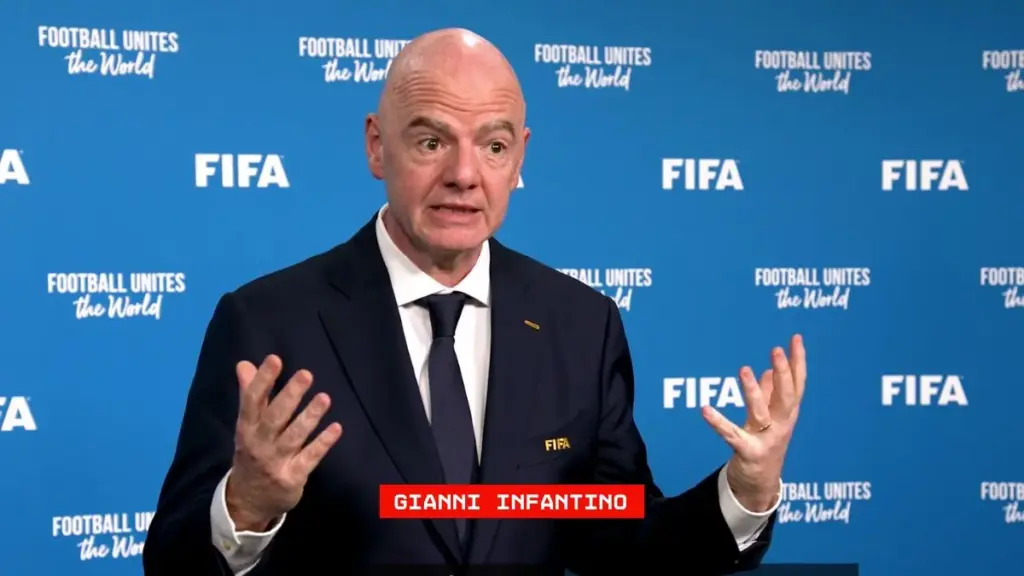
- FIFA: A spokesperson said the organization is “aware of the concerns” and is in discussions with all stakeholders. FIFA emphasized that “the safety and comfort of everyone involved in the World Cup is our top priority,” but stopped short of agreeing to the ban.
- SoFi Stadium / Stadium Management: Officials haven’t made a public statement yet, but sources report they’re in urgent discussions with the union and FIFA, worried about how a strike might affect match-day operations.
- US Soccer Federation: Declined to comment directly, saying only that “security arrangements are being handled in coordination with local and federal authorities.”
Potential Impact of a Strike
A strike by SoFi Stadium workers would be highly disruptive. The stadium is expected to host multiple sold-out matches, including key group-stage games and possibly a knockout round. A strike could lead to:
- Reduced staffing for security, cleaning, food service, and technical operations
- Delays or cancellations of matches (highly unlikely but possible in extreme cases)
- Significant reputational damage for the tournament in the United States
Union leaders say they do not want to strike but will do so if necessary to protect their members and the event’s inclusive spirit.
Broader Context
This development adds to the growing list of challenges facing the 2026 World Cup, which is already dealing with:
- Iran’s ongoing threat to withdraw
- Visa processing delays in Canada
- Human rights travel alerts in several U.S. host cities
- Record-high ticket prices and resale markups
With the tournament now less than 2 months away, FIFA is under increasing pressure to resolve these issues quickly and ensure smooth operations across all 16 venues.
This is a fast-moving story. We will bring you the latest updates as soon as FIFA, the union, or stadium management responds to the demand.