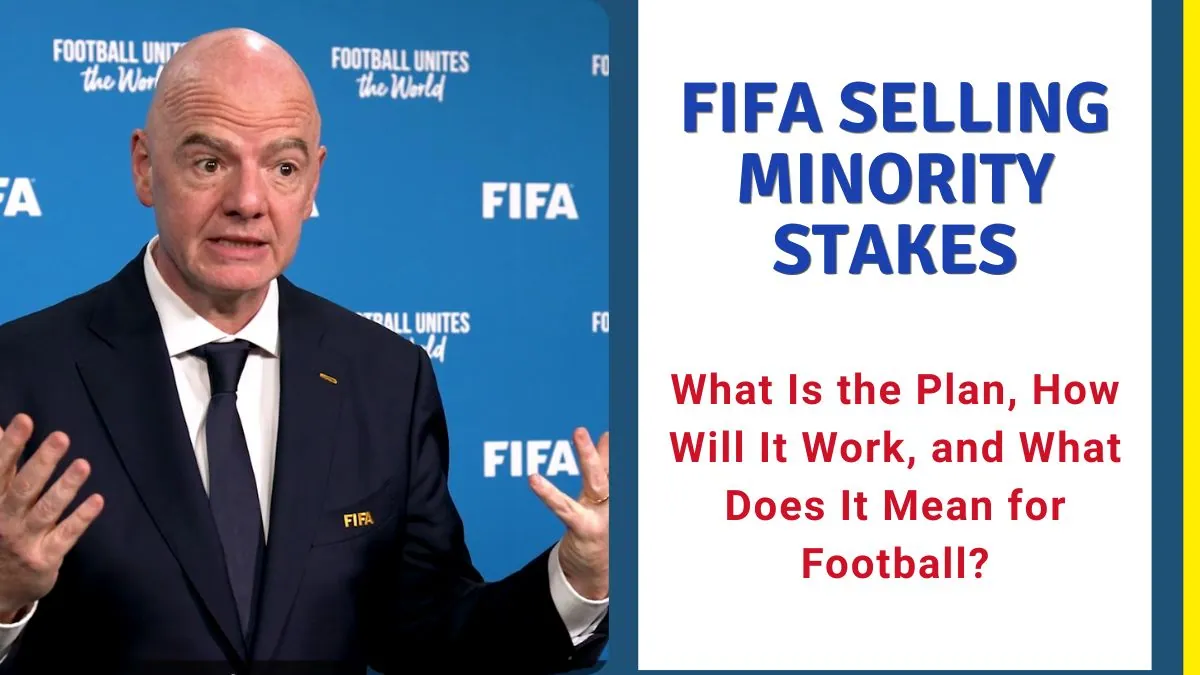
FIFA has unveiled one of the most significant commercial proposals in its history: the creation of a new commercial subsidiary called FIFA Forward Enterprise (FFE), with plans to sell minority, non-controlling stakes to long-term investors.
The proposal has generated widespread debate across world football. Supporters argue it could unlock billions of dollars for football development, infrastructure, and member associations.
Critics, including UEFA, caution that private investment might transform football’s commercial landscape and spark concerns over governance.
So, why is FIFA pursuing this strategy, how exactly will it work, and what could it mean for the future of the FIFA World Cup and global football?
Why Is FIFA Selling Minority Stakes?
FIFA plans to sell minority stakes in a new commercial venture to raise $4.2 billion, aiming to maximize commercial revenue and triple development funding for its 211 member associations.
- Raise Capital: Seek up to $4.2 billion by selling non-controlling minority stakes in a newly proposed $20 billion commercial subsidiary called FIFA Forward Enterprises (FFE).
- Increase Funding: Triple the financial development assistance distributed to member national associations.
- Commercial Control: Centralize broadcasting, sponsorships, ticketing, and operational delivery of major tournaments like the World Cup under the new entity
What Is FIFA Planning?
Rather than selling ownership of FIFA itself or the FIFA World Cup, FIFA wants to establish a new commercial company called FIFA Forward Enterprise (FFE).
FFE would manage FIFA’s commercial operations, including:
- Broadcasting rights
- Sponsorship agreements
- Ticketing
- Hospitality
- Licensing
- Commercial delivery of FIFA tournaments
FIFA would then invite selected long-term investors to purchase a minority, non-controlling stake in this new company while FIFA retains overall control.
Is FIFA Selling the World Cup?
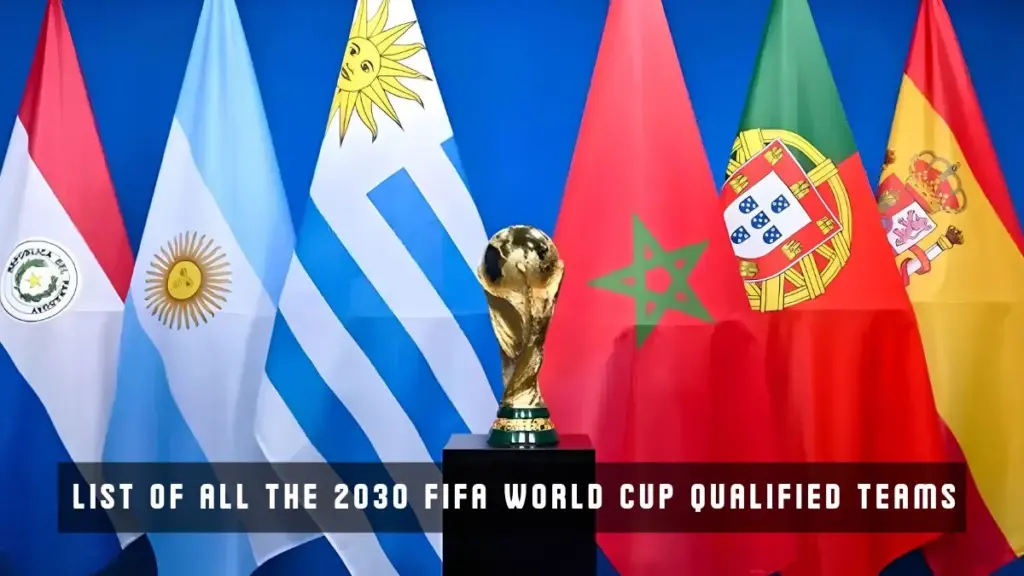
No, FIFA is not selling the World Cup itself, but it is selling a partial stake in the tournament’s commercial operations.
This is one of the biggest misconceptions surrounding the proposal. FIFA has stressed that it is not selling the FIFA World Cup or transferring control of football competitions.
Instead:
- FIFA continues to own every tournament.
- FIFA continues to control football rules.
- FIFA continues to decide hosts.
- FIFA continues to control the international calendar.
- FIFA continues to appoint referees and manage competitions.
Investors would only own a minority interest in the commercial subsidiary, not FIFA itself.
Why Does FIFA Want Outside Investors?
The simple answer is more money for football development.
FIFA believes its commercial assets—especially the FIFA World Cup, Women’s World Cup, Club World Cup, youth tournaments, sponsorships, and media rights—are worth substantially more than they currently generate.
By bringing in experienced investment partners, FIFA hopes to:
- Increase sponsorship revenue.
- Improve media-rights sales.
- Expand digital products.
- Grow ticketing revenue.
- Improve hospitality programs.
- Develop new commercial opportunities worldwide.
According to FIFA, the extra capital would allow it to increase investment in football across all 211 member associations.
What Is FIFA Forward Enterprise (FFE)?
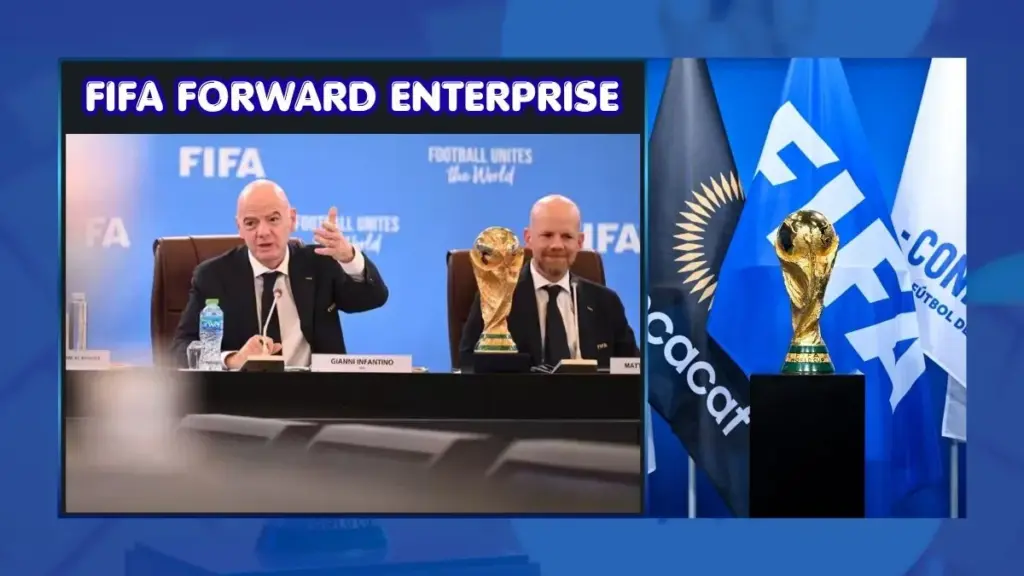
FFE would become FIFA’s dedicated commercial business.
Think of FIFA as having two distinct roles:
Football Operations
These would remain entirely with FIFA:
- Laws of the game (through IFAB cooperation)
- Tournament organisation
- Match calendar
- Governance
- Member associations
- Referees
- Sporting regulations
Commercial Operations
FFE would manage:
- Broadcast rights
- Sponsorship sales
- Licensing
- Ticketing
- Hospitality
- Commercial partnerships
- Event operations
This separation is designed to make the commercial side more efficient while leaving football governance unchanged.
How Much Money Is FIFA Trying to Raise?
FIFA plans to raise upto USD 4.2 billion through the sale of minority stakes.
The proposed valuation of FIFA Forward Enterprise is approximately USD 20 billion.
Reports indicate investors could acquire up to 20% of the company, while FIFA would retain the remaining majority stake and full operational control.
Where Will the Money Go?
According to FIFA, the proceeds are intended to fund football development rather than distribute profits to shareholders.
The proposal includes:
- Immediate infrastructure funding.
- New national training centres.
- Stadium projects.
- Grassroots football.
- Women’s football.
- Youth development.
- Referee education.
- Football facilities.
The organisation says that all net benefits generated by FFE would be reinvested in football worldwide.
What Is the FIFA Fast Forward Programme?
A key element of the proposal is the FIFA Fast Forward Programme (FFFP).
If approved:
- Every FIFA member association would have the option to receive up to USD 20 million in one-time funding for eligible development projects.
- Participation would be voluntary.
- The funding would support long-term investments such as stadiums, training facilities, and football infrastructure.
FIFA also proposes increasing its existing Forward Programme grants over future funding cycles, significantly raising the support available to member associations.
Who Are the Potential Investors?
FIFA says it intends to select a geographically diverse group of long-term investors.
According to FIFA and multiple reports:
- Thrive Eternal is expected to lead the proposed investor group.
- J.P. Morgan is acting as FIFA’s financial adviser.
- Former Liberty Media CEO Greg Maffei has advised on the commercial structure.
- FIFA says it has received interest from investors across Europe, the Americas, Asia, and Africa.
Why Is UEFA Opposed?
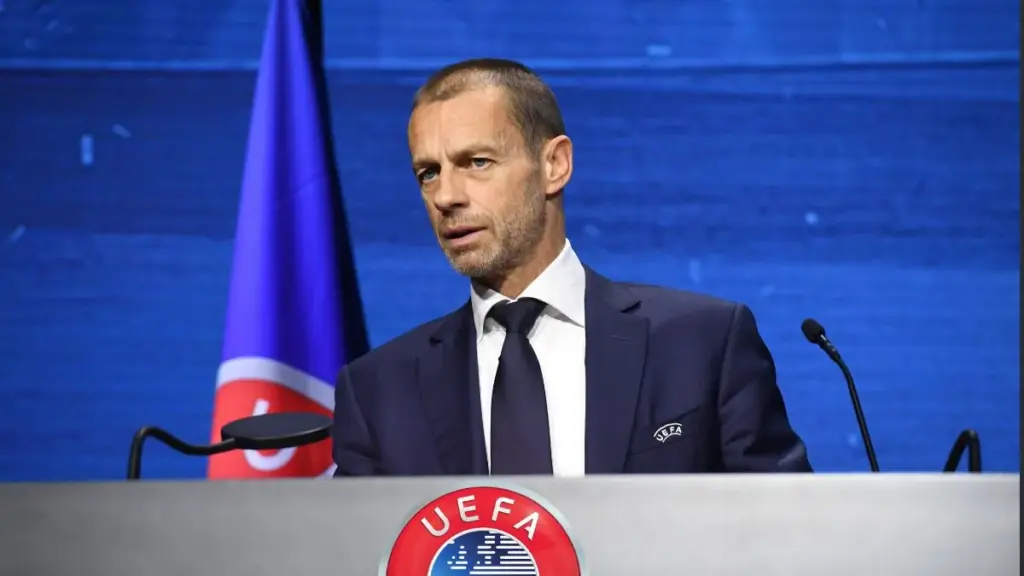
UEFA has strongly criticised the proposal.
Its concerns include:
- Football becoming increasingly commercialised.
- A lack of transparency around the proposal.
- The possibility that private investors could influence football’s long-term direction.
- Concerns that football governance should never appear to be linked with private equity ownership.
UEFA has stated that football governing bodies should not treat the sport as a commercial asset to be sold, even if the investment is limited to a subsidiary.
FIFA’s Response to the Criticism
FIFA insists the proposal has been misunderstood.
The governing body says:
- Investors would hold only minority, non-controlling stakes.
- FIFA would appoint the majority of the board.
- Football governance would remain exclusively with FIFA.
- Investors would have no authority over competitions, rules, or sporting decisions.
- The project’s purpose is to increase investment in football, not privatise the sport.
How Will the Proposal Be Approved?
The plan has not yet been implemented.
Before it can proceed, FIFA says it requires:
- Support from a majority of FIFA’s 211 member associations.
- Approval from the FIFA Council for the necessary regulatory changes.
- Completion of the investment process and legal structure.
Only after those steps would FIFA launch FIFA Forward Enterprise.
What Could Be the Benefits?
Supporters believe the proposal could:
- Generate billions in new funding.
- Accelerate football development worldwide.
- Build more stadiums and training centres.
- Increase investment in women’s football.
- Expand youth development.
- Improve commercial efficiency.
- Grow FIFA’s long-term revenues without giving up governance.
What Are the Risks?
Critics point to several potential risks:
- Increased commercial pressure on FIFA competitions.
- Expectations for higher financial returns from investors.
- Greater emphasis on expanding tournaments to boost revenue.
- Concerns over transparency and accountability.
- Possible tensions between commercial goals and football priorities.
Although FIFA says investors will not control sporting matters, opponents worry that financial interests could still shape strategic decisions over time.
Global Football Funding Debate after FIFA Selling Minority Stakes
FIFA’s proposal to create FIFA Forward Enterprise represents one of the boldest commercial initiatives in the governing body’s history. By separating commercial operations into a dedicated subsidiary and selling minority, non-controlling stakes, FIFA aims to unlock billions of dollars for football development while insisting that governance, competitions, and sporting decisions remain entirely under its control.
Whether the plan succeeds will depend on approval from FIFA’s member associations and the FIFA Council, as well as on the governing body’s ability to convince the football world that increased private investment can coexist with the sport’s independence and integrity. For now, the proposal has opened an important debate about how global football should be funded in the decades ahead.
Most Asked Questions

Is FIFA selling the World Cup?
No. FIFA says it is creating a separate commercial subsidiary while retaining full ownership and control of the FIFA World Cup and all football governance.
What is FIFA Forward Enterprise?
It is a proposed FIFA-owned commercial company that would manage broadcasting, sponsorship, licensing, ticketing, hospitality, and tournament commercial operations.
How much money does FIFA want to raise?
FIFA plans to raise up to USD 4.2 billion through the sale of minority stakes in FFE.
Who will control FIFA Forward Enterprise?
FIFA says it will retain majority ownership, board control, and exclusive authority over football governance and competitions.
Why is UEFA against the proposal?
UEFA argues that football governing bodies should not commercialise ownership structures in a way that could undermine trust, transparency, or the sport’s independence.