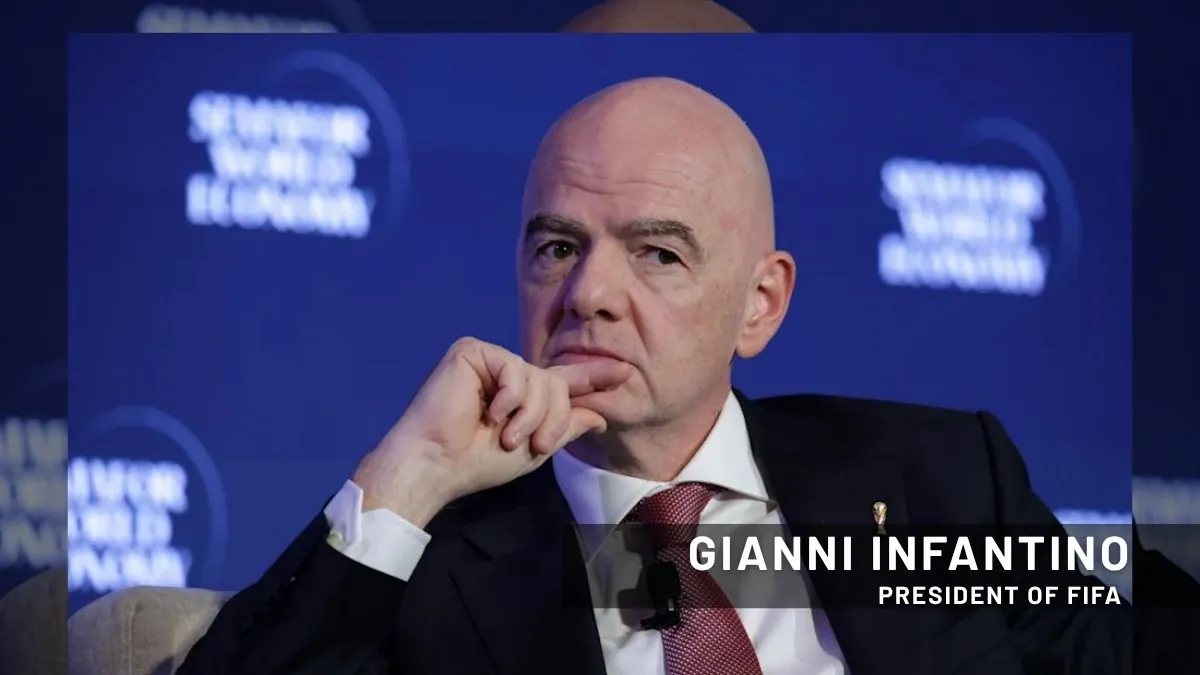
UEFA has filed a lawsuit in New York against FIFA, Gianni Infantino, and Thrive Capital, the main investor in the failed $20 billion World Cup investment scheme, as reported by The Times and Front Office Sports.
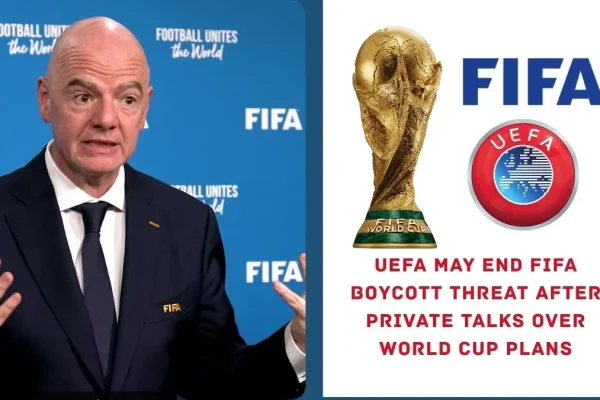
UEFA has formally ended its threat to boycott FIFA competitions while escalating legal pressure on FIFA president Gianni Infantino. European football’s governing body is preparing criminal proceedings in Switzerland against Infantino over the abandoned plan to sell stakes in the World Cup, accusing him of “criminal mismanagement.”
The dual approach reflects a calculated shift: UEFA is removing the immediate sporting threat that risked harming players and tournaments, while pursuing longer-term accountability through the courts and continued political pressure.
Why the Boycott Threat Is Being Withdrawn
In late July, UEFA and its 55 member associations voted to boycott all FIFA competitions unless FIFA fully abandoned the FIFA Forward Enterprise (FFE) proposal and gave binding assurances that similar privatisation attempts would never return. The plan would have created a new commercial entity controlling World Cup and other major event rights, with a minority stake sold to private investors for around $4.2 billion.
FIFA withdrew the proposal within days amid fierce opposition from UEFA, CONCACAF and the Asian Football Confederation. However, UEFA initially maintained that the required assurances had not been provided.
Following private discussions, UEFA received the guarantees it sought. Sources indicated the conditions for lifting the boycott had been met. The decision was expected to be confirmed at UEFA’s executive committee meeting in Monaco, clearing European teams — including England, France, Spain, Italy, Portugal and hosts Poland — to compete in the Under-20 Women’s World Cup starting in early September.
UEFA sources framed the move as pragmatic rather than a retreat, emphasising the need to protect young players’ opportunities while continuing the broader campaign for change at FIFA.
Why UEFA Is Now Pursuing Criminal Legal Action Against FIFA
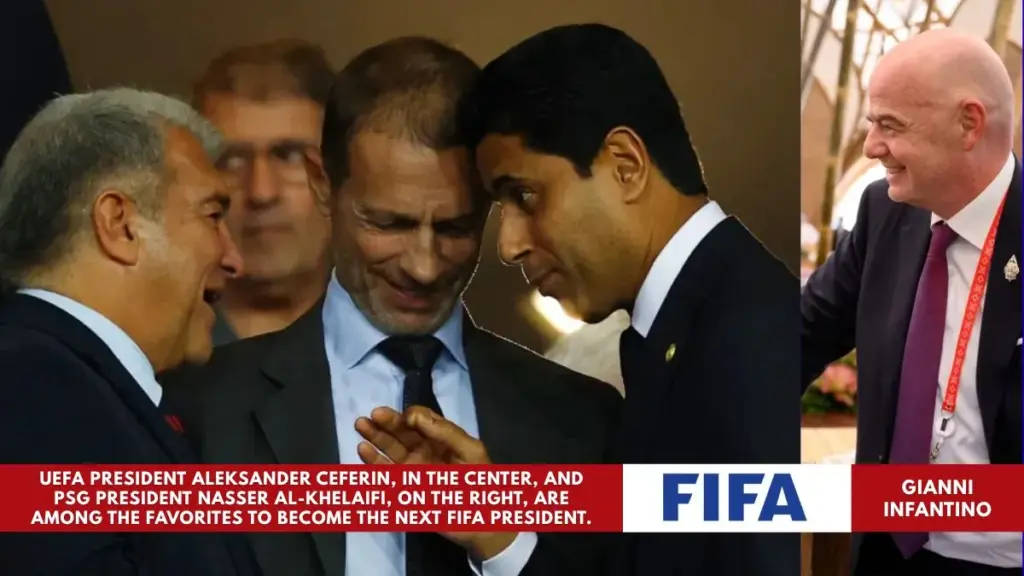
Even as the boycott threat is lifted, UEFA has intensified legal efforts. Court filings in the United States show UEFA is seeking documents and evidence from FIFA entities based in Florida (including FIFA Americas and FWC2026) to support a planned criminal complaint in Switzerland.
In the filings, UEFA states it and other interested parties are preparing claims against Infantino — and potentially other FIFA officials and advisers — for criminal mismanagement under Article 158 of the Swiss Criminal Code. Such offences can carry prison sentences of up to five years.
Key allegations in the documents include:
- The proposed $4.2 billion price for a roughly 20% stake implied an “absurdly low” enterprise value of about $20 billion.
- The valuation was not the product of an open, competitive auction and was not tested by any independent valuer.
- The plan was developed in secret with a small group of advisers and investors over more than a year, bypassing normal FIFA governance processes, the FIFA Council, regional confederations and member associations.
- UEFA claims the structure risked allowing Infantino and a small circle to gain a permanent financial interest in FIFA’s most valuable assets to the detriment of the organisation and its 211 members, including UEFA’s 55 associations.
UEFA is also seeking materials related to communications with Thrive Capital (linked to investor Joshua Kushner), JPMorgan, and other parties involved in the proposed deal.
Strategic Separation of Issues
By withdrawing the boycott, UEFA avoids disrupting upcoming tournaments and the careers of young athletes while preserving its ability to challenge Infantino’s leadership. The legal route in Switzerland — where both UEFA and FIFA are based — allows European football to pursue accountability on governance and potential financial mismanagement grounds.
The filings also criticise the lack of transparency and consultation surrounding the FFE proposal, arguing it inflicted reputational and commercial harm on FIFA and its members.
What Happens after this Legal Action Against FIFA?
UEFA’s applications for discovery in US courts are an early procedural step. If successful, the evidence gathered would support a formal criminal complaint in Switzerland. FIFA and Infantino have not yet issued detailed public responses to the latest legal filings.
Meanwhile, political pressure continues. Several European associations have signalled reduced support for Infantino ahead of the next FIFA presidential election, and UEFA has maintained that confidence in his leadership remains low.
The episode underscores a deepening rift between European football’s governing body and FIFA’s top leadership. While the immediate threat of a boycott has been defused to protect the sporting calendar, UEFA’s pursuit of criminal proceedings signals that the battle over accountability and the future direction of world football is far from over.