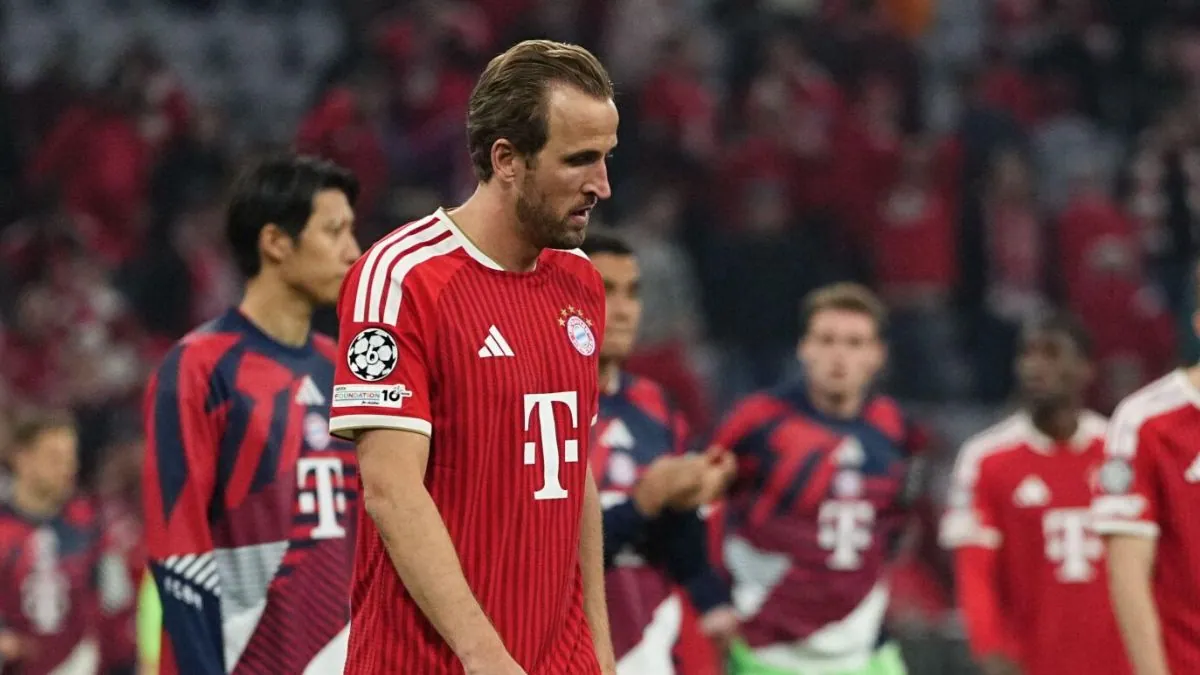
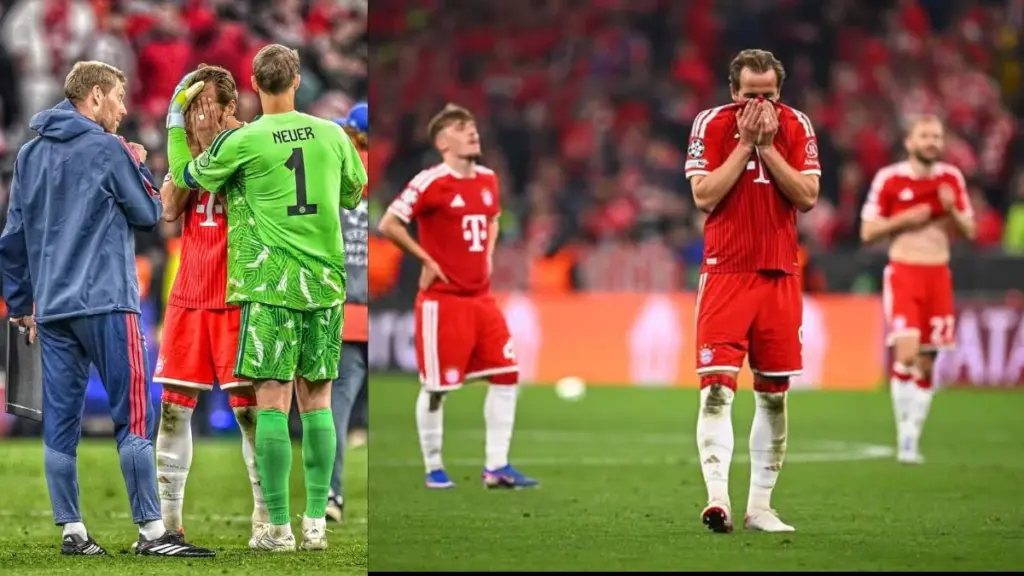
Bayern Munich’s Champions League run ended in heartbreak after a 1-1 draw with Paris Saint-Germain in the second leg at the Allianz Arena, which sent PSG through 6-5 on aggregate. This unexpected exit has left fans debating the tactical errors and main reasons why Bayern lost to PSG in this high-stakes tie.
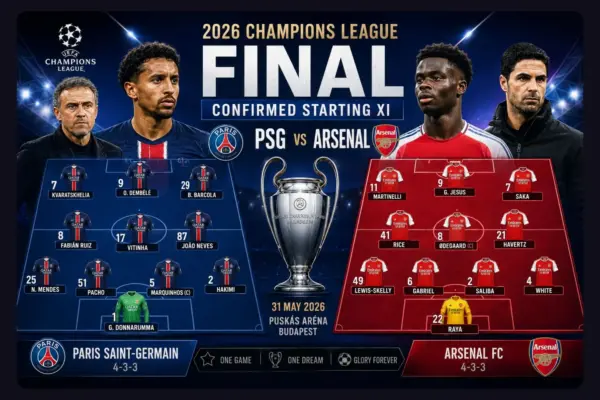
Harry Kane scored a stoppage-time equalizer, but it arrived too late to save Bayern after PSG had already built the advantage they needed from the first leg. PSG will now face Arsenal in the 2026 UEFA Champions League final, while Bayern are left to wonder what might have been.
The tie had it all—goals, momentum shifts, and plenty of controversy. Bayern were punished for defensive mistakes in Paris, then struggled to convert their pressure into enough goals in Munich.
PSG, meanwhile, stayed composed when the game turned chaotic and proved more efficient in both boxes. Here are the five biggest reasons Bayern Lost to PSG.
Top 5 Reasons Bayern Lost to PSG
| Rank | Reason | What Happened |
|---|---|---|
| 1 | PSG were more clinical | PSG took key chances, especially in the first leg, and made Bayern pay for mistakes. |
| 2 | Bayern gave away too much in defense | The first leg turned into a high-scoring thriller because Bayern could not control PSG’s attack. |
| 3 | The first-leg deficit was too big | Bayern had to chase the tie after conceding five in Paris, which changed the entire dynamic. |
| 4 | Kane was too isolated for long stretches | Kane’s late goal was important, but Bayern did not get enough out of him before the closing stages. |
| 5 | Refereeing decisions added frustration | Kompany highlighted penalty and second-yellow controversies across both legs. |
1) PSG Were More Clinical
The biggest reason Bayern lost is the simplest one: PSG were more ruthless in front of goal. In the first leg, Bayern were involved in one of the highest-scoring semi-final games in Champions League history, but PSG kept finding the decisive moments whenever the game opened up.
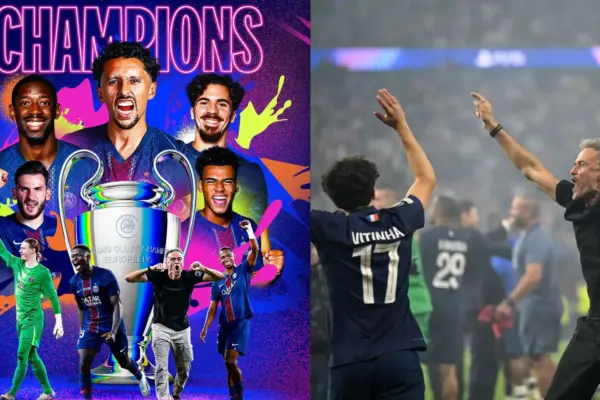
The Parisians scored five in Paris and then did enough in Munich to protect their aggregate lead. That kind of efficiency is often what separates finalists from the team going home.
PSG’s attacking movement also caused constant problems. Reuters noted that Bayern lacked “killer instinct,” while PSG showed far greater composure in the moments that mattered. In a semi-final, that difference is everything.
2) Bayern’s Defense Could Not Contain PSG’s Front Line
Bayern were punished for defensive gaps, especially in the first leg. PSG’s attacking trio and supporting runners found space too easily, and Bayern were forced into a frantic chase after conceding repeatedly in Paris.
Even though Bayern fought back, allowing PSG to score five in the first meeting made the second leg an uphill battle from the start.
That defensive fragility mattered because PSG did not need to dominate every phase of play.
They only needed to strike at key moments and manage the rest of the tie. Once Bayern were chasing the game, the margin for error disappeared.
3) The First-Leg Deficit Changed Everything
Bayern’s loss in Paris was the turning point of the tie. A 5-4 defeat in the first leg meant they arrived in Munich needing both control and near-perfection.
That is a difficult position against a defending champion, especially one with the attacking quality PSG showed across both legs. The second leg ended 1-1, but the aggregate score was already working against Bayern before kickoff at the Allianz Arena.
Kane’s stoppage-time equalizer in Munich gave Bayern hope, but it only narrowed the gap after PSG had already done enough. Bayern had left themselves insufficient time to truly trouble PSG at the end. In other words, the damage was done in Paris.
4) Harry Kane Was Not Involved Enough for Long Periods
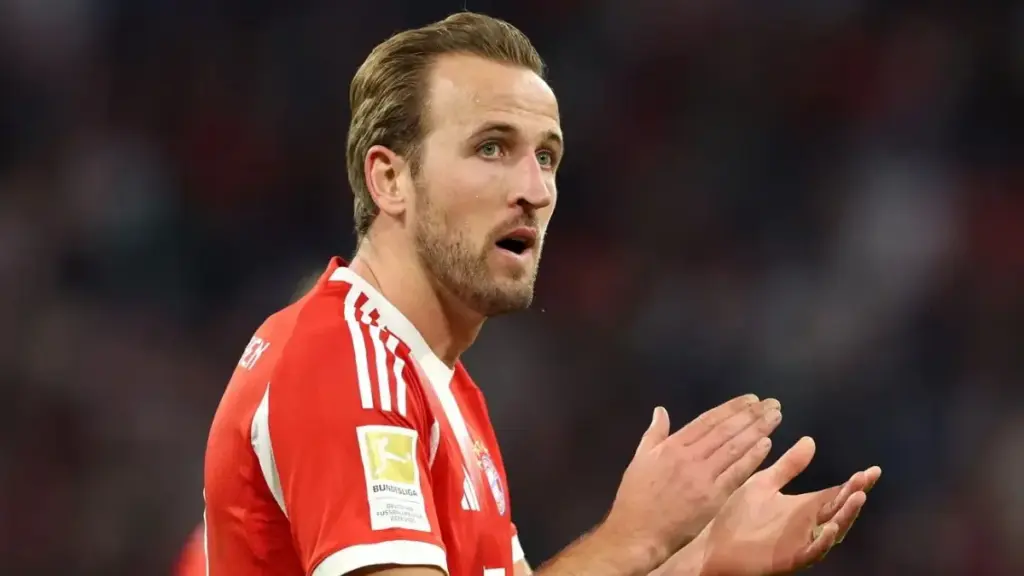
Kane scored, and he scored late, but Bayern needed more from him earlier in the tie. Reports from the second leg suggested he was not heavily involved for much of the match, and Bayern struggled to get him on the ball with regularity. =
When your main striker is forced to wait until stoppage time to make a serious impact, it usually means the game plan has not worked well enough.
That does not mean Kane failed individually. In fact, he remained dangerous and kept Bayern alive with his late finish. But in a Champions League semi-final, being dangerous late is not the same as controlling the game from start to finish.
Bayern needed him earlier, and PSG were good enough to keep him quiet for long spells.
5) Refereeing Controversies Added to Bayern’s Frustration
Vincent Kompany made clear that Bayern felt hard done by in the tie. He complained about several refereeing decisions, including a possible second yellow card for PSG’s Nuno Mendes and a handball appeal involving João Neves.
Kompany said the decisions across both legs went against Bayern and affected the rhythm of the contest.
Even so, refereeing debate does not erase the bigger footballing reasons for the loss. Bayern still had chances, still had long periods of pressure, and still could not turn that into enough goals. The officiating added frustration, but PSG’s game management and Bayern’s missed opportunities were the real deciding factors.
What will be the effect in Bayern Squad
Bayern lost to PSG because the French champions were sharper, calmer, and more efficient over both legs. Bayern gave up too much in the first leg, could not fully recover in the second, and only got their late breakthrough when it was already too late.
Kane’s goal showed Bayern’s fight, but PSG’s quality and control showed why they advanced to the final.
For Bayern, this was a painful exit. For defending Champion PSG, it was another statement night. And for Harry Kane, it was another example of how thin the margins are at the top of European football.