

February 10, 2026 – 2026 FIFA World Cup Boycott Calls are intensifying across Europe and beyond, fueled by U.S. President Donald Trump’s controversial actions, including threats over Greenland, aggressive immigration policies, and recent ICE incidents.
While major nations like France and Germany have ruled out official boycotts, high-profile figures such as Ex-FIFA President Sepp Blatter have joined the chorus, urging fans to skip U.S.-hosted matches.
This comes just five months before the tournament kicks off on June 11, 2026, in Mexico City, with the U.S. set to host the bulk of games across 11 venues. With over 150 million ticket requests already processed, the debate raises questions about politics in sports.
One of the most important questions is why people are calling to boycott the FIFA World Cup 2026, and what the solution might be. Here’s a detailed discussion about the growing calls for a boycott of the 2026 FIFA World Cup and why they’re intensifying amid tensions involving Trump.
Key Voices Fueling the 2026 FIFA World Cup Boycott Calls: Who’s Speaking Out and Why

The push for a boycott of the 2026 FIFA World Cup has gained traction through influential figures in football, politics, and activism, particularly in Europe.
As tensions over U.S. President Donald Trump’s policies on Greenland and immigration escalate, these voices are amplifying concerns about human rights, international norms, and the ethics of participating in a U.S.-co-hosted event.
Below, we break down the key individuals and groups driving the narrative, with expanded context on their statements, backgrounds, and the broader impact as of February 10, 2026.
While no official boycotts from federations have materialized, these calls are sparking global debates and could influence fan attendance.
1. Sepp Blatter: The Former FIFA Boss Backs Fan-Led Protests
Sepp Blatter, the controversial ex-FIFA President who led the organization from 1998 to 2015, has emerged as a prominent advocate for boycotting U.S.-based matches. On January 28, 2026, Blatter took to social media to express support for fans considering a boycott, citing Trump’s “conduct at home and abroad” as a valid reason. “If fans want to boycott because of things happening politically, I can support that,” he posted, drawing mixed reactions—some praised his stance on ethics, while others dismissed it as hypocritical given his own corruption scandals.
Blatter’s endorsement carries weight due to his deep ties to FIFA, though he’s been banned from football activities since 2015 over ethics violations. His comments have fueled online discussions, with hashtags like #Boycott2026USA trending on X, where users echo his view that sports shouldn’t ignore political “dangers.”
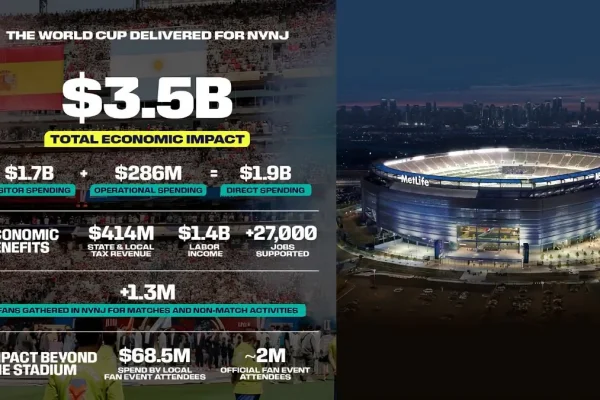
This has resonated especially in Europe, where Blatter’s words are seen as a call to action for individual fans to skip games in American venues like MetLife Stadium.
2. Oke Göttlich: St. Pauli President and DFB Vice President Pushes for “Serious Discussion”
Oke Göttlich, president of the progressive German club FC St. Pauli and vice president of the German Football Association (DFB), has been one of the most vocal critics. In late January 2026, Göttlich reiterated his call for a “serious discussion” on boycotting the World Cup, labeling the U.S. under Trump as an unsuitable host due to immigration policies and Greenland threats.
Göttlich’s stance stems from St. Pauli’s anti-racism and social justice ethos, and as a DFB leader, his words carry institutional influence. He argues that participating normalizes “dangers” like ICE raids, referencing recent human rights alerts for Florida. While the DFB has ruled out an official boycott, Göttlich’s comments have inspired petitions and protests, with fans chanting “Boycott Trump Cup” at Bundesliga matches. His role bridges club and national levels, making him a key figure in the movement.
3. The Dutch Petition: Grassroots Push for National Withdrawal
A public petition in the Netherlands, launched in early February 2026, urges the Dutch FA (KNVB) not to participate, citing “dangers” from U.S. policies and gaining over 50,000 signatures in days.
Initiated by activists and supported by politicians like Jesse Klaver of GroenLinks, it calls for solidarity with Denmark over Greenland and highlights risks for immigrant fans.
The petition’s viral spread has led to “Boycott Oranje USA” trending, with Dutch media debating the ethics of sending the team to a host nation amid transatlantic strains. While the KNVB has not responded, the grassroots effort shows how boycott calls are mobilizing everyday fans, potentially pressuring federations ahead of the June kickoff.
4. Other European Politicians: “Last Resort” Threats from Denmark, France, and the UK
Figures across Europe have floated boycotts as a “last resort” to pressure Trump. In Denmark, Foreign Minister Lars Løkke Rasmussen suggested on January 25 that a World Cup withdrawal could be considered if Greenland tensions escalate, calling it a “symbolic stand.” In France, left-wing leader Jean-Luc Mélenchon echoed this, urging a boycott if Trump imposes tariffs. Germany’s Jürgen Hardt (CDU) proposed it to “send a message,” though his party later distanced itself.
In the UK, MPs like Caroline Lucas have amplified calls, linking to broader “dangers” in U.S. immigration policies. These politicians’ statements have popularized the boycott narrative on social media, with memes and petitions framing it as a moral imperative against “Trump’s America.”
The Spark: Trump’s Greenland Threats and Immigration Crackdowns
The boycott momentum stems from Trump’s renewed push to “acquire” Greenland from Denmark, backed by tariff threats and military rhetoric, which has drawn sharp rebukes from EU leaders.
European politicians view this as a breach of international norms, prompting symbolic protests like boycotting the FIFA World Cup—co-hosted by the USA, Canada, and Mexico.
Adding fuel: Recent ICE fatal shootings in Minneapolis and mass detentions, highlighting “dangers” for immigrants and visitors. Human rights groups have amplified these concerns, issuing travel alerts for Florida and other host states due to risks of random arrests.
France and Germany Rule Out Boycott: Official Stances

Despite the noise, major federations are holding firm:
- France: Sports Minister Marina Ferrari stated on January 21 there’s “no desire” for a boycott, prioritizing the event’s unifying role.
- Germany: The DFB executive ruled out a boycott on January 31, deferring to FIFA and emphasizing participation.
Other nations like the UK and Spain have not endorsed calls, suggesting the movement lacks critical mass.
Why a Boycott Is Unlikely: FIFA’s Grip and Practical Hurdles
Experts say a full boycott remains a “long shot” due to FIFA’s control—teams risk bans from all competitions. Historical attempts (e.g., Qatar 2022) fizzled, and with 42 teams qualified, withdrawing would disrupt the format.
Fan-led actions, like empty U.S. stadiums, are more feasible but unlikely to materialize en masse.
FIFA President Gianni Infantino dismissed concerns, focusing on the tournament’s “inclusive spirit.”
Impact on the Tournament and Fans
With venues like Miami’s Hard Rock Stadium in Florida under scrutiny for similar rights issues, the calls could affect attendance—though ticket demand (150M+ requests) holds strong.
For fans, this highlights blending politics with sports, potentially leading to protests or symbolic gestures.

Instead of a boycott, just move it to Canada. Everyone loves Canada.