
In a landmark moment for global football, FIFA has formally confirmed Mexico as one of the three co-host nations for the 2026 FIFA World Cup, alongside the United States and Canada. The tournament will feature a record-breaking 48 teams and 104 matches, making it the largest and most ambitious World Cup ever organized.
Mexican President Claudia Sheinbaum personally received the official confirmation today during a special ceremony in Mexico City. She described the decision as “a source of immense pride for every Mexican” and promised that the country would deliver “the most unforgettable World Cup in history.”
Last week, a wave of concern swept through social media and among fans as they questioned whether Mexico will remain the host of the FIFA World Cup 2026 following the alarming incidents of violence in Guadalajara. The question on everyone’s mind is: can Mexico rise above these challenges and provide a safe and memorable experience for fans from around the world?
This confirmation removes any lingering uncertainty and allows all three host nations to accelerate final preparations with just few months remaining until the tournament kicks off on June 11, 2026.
Mexico’s Historic Third Hosting – A Unique Achievement
Mexico now becomes only the second country in history (after Italy) to host the FIFA World Cup three times. The country previously staged the tournament in 1970 and 1986, both of which are remembered as iconic editions that helped popularize football globally.
The 1970 World Cup in Mexico is still regarded as one of the greatest ever, featuring Brazil’s legendary team led by Pelé. The 1986 edition gave the world the “Hand of God” and Diego Maradona’s iconic “Goal of the Century.” Now, in 2026, Mexico will write a new chapter in its rich World Cup legacy.
Opening Match at the Legendary Estadio Azteca

One of the most emotional highlights of the confirmation is that Mexico will play the opening match of the entire tournament on June 11, 2026, at the iconic Estadio Azteca in Mexico City.
Estadio Azteca is the only stadium in the world to host three World Cup opening matches (1970, 1986, and now 2026) and two World Cup finals (1970 and 1986). With a capacity of over 87,000, it remains one of the most atmospheric venues in football.
Mexico’s 13 Matches Across Three World-Class Venues
Mexico will host a total of 13 matches across three state-of-the-art stadiums:
| City | Stadium | Capacity | Key Matches Expected |
|---|---|---|---|
| Mexico City | Estadio Azteca | 87,523 | Opening Match + Group Stage |
| Guadalajara | Estadio Akron | 49,850 | Group Stage + Round of 32 |
| Monterrey | Estadio BBVA | 53,500 | Group Stage + Knockout Rounds |
These venues have already undergone major upgrades to meet FIFA’s strict technical standards, including new seating, advanced broadcasting facilities, sustainable energy systems, and improved accessibility.
Reactions from Mexican Leaders and FIFA
President Sheinbaum said: “Mexico is ready to show the world our passion, our organization, and our love for football. This is not just a tournament — it is a celebration of our culture and a message of unity to the entire world.”
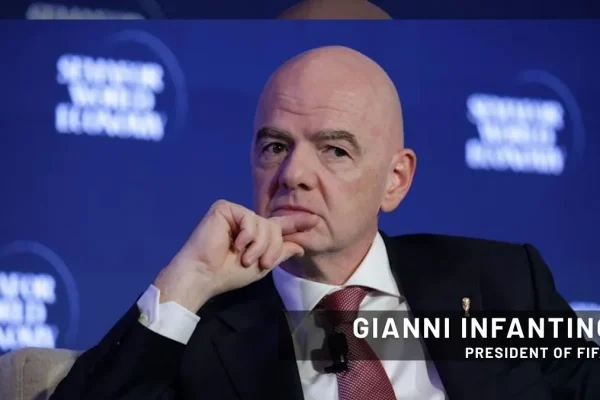
FIFA President Gianni Infantino added: “Mexico has proven time and again that it is one of the greatest football nations on Earth. Hosting the 2026 World Cup with 48 teams will create unforgettable memories for players and fans alike.”
The 48-Team Format: More Teams, More Matches, More Excitement

The 2026 World Cup will be the first with 48 teams, up from the traditional 32. The format includes:
- 12 groups of 4 teams each
- 104 total matches (40 more than in 2022)
- Expanded group stage giving more nations a realistic chance to progress
- New Round of 32 stage
This expansion is expected to generate billions in additional revenue and create more opportunities for emerging football nations.
Security, Infrastructure, and Fan Experience

Mexican authorities have assured FIFA and fans that security will be at the highest level. A multi-agency task force involving federal police, the Mexican Army, and local forces is already in place. Advanced technology, including AI-powered surveillance and drone detection systems, will be deployed at all venues.
Infrastructure upgrades across the three host cities include new metro lines, expanded airport capacity, improved roads, and thousands of new hotel rooms. Special fan zones with live screenings, cultural performances, and interactive experiences are being prepared in each city.
Economic Boost for Mexico
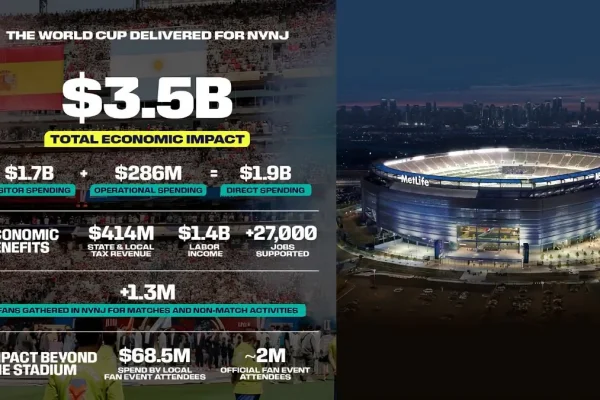
The tournament is projected to generate over $3.5 billion in economic impact for Mexico alone, creating thousands of jobs in tourism, hospitality, transportation, and services. Legacy projects — such as new sports facilities and urban improvements — will benefit communities long after the final whistle.
What This Means for Fans and the Global Football Community
For fans, the confirmation means certainty. Ticket sales, travel planning, and accommodation bookings can now move forward without doubt. With Mexico opening the tournament at Estadio Azteca, the atmosphere on June 11 is expected to be electric.
Globally, the 48-team format and Mexico’s historic role will make 2026 the most inclusive and diverse World Cup ever. More countries will have the chance to compete on the biggest stage, inspiring a new generation of players and fans.
The road to 2026 is now fully clear. Mexico is officially ready, and the countdown to the biggest football party on Earth has officially begun.