MLS U.S. Open Cup participation is set to expand in 2027, with all 27 U.S.-based MLS clubs expected to return. See the format and schedule.
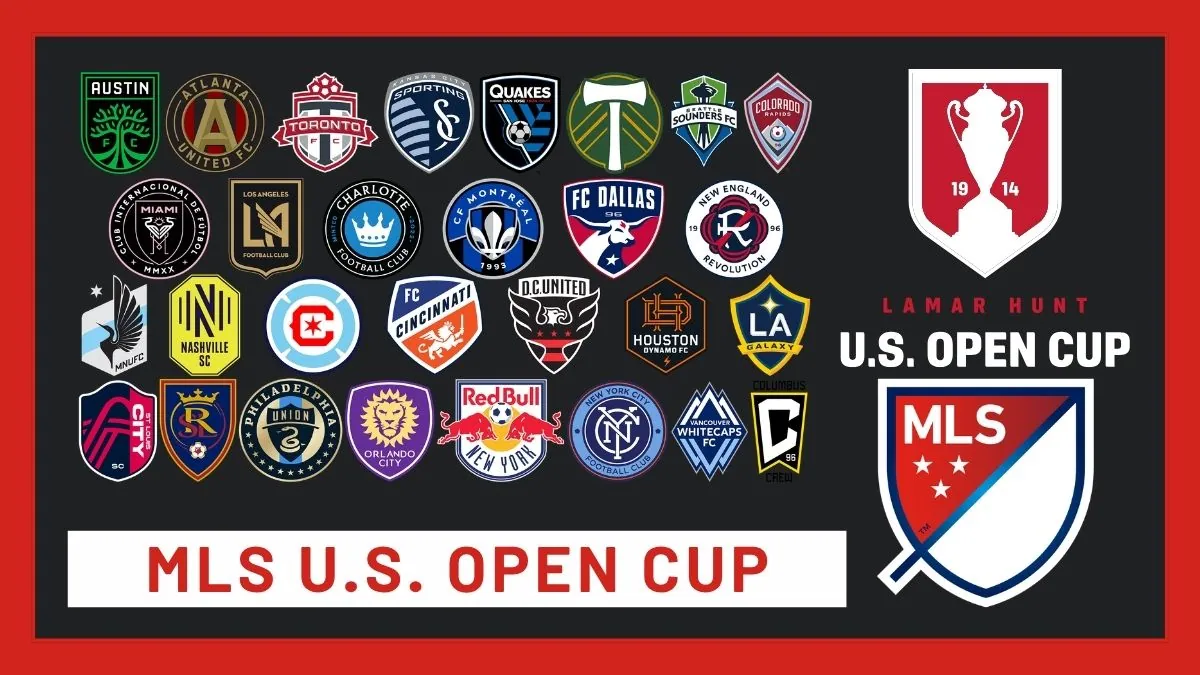
Major League Soccer is preparing to send every one of its 27 U.S.- based clubs back into the U.S. Open Cup starting in 2027. Multiple sources have confirmed the decision, marking the first time since 2023 that the entire American contingent of the league will take part in the country’s oldest soccer competition.
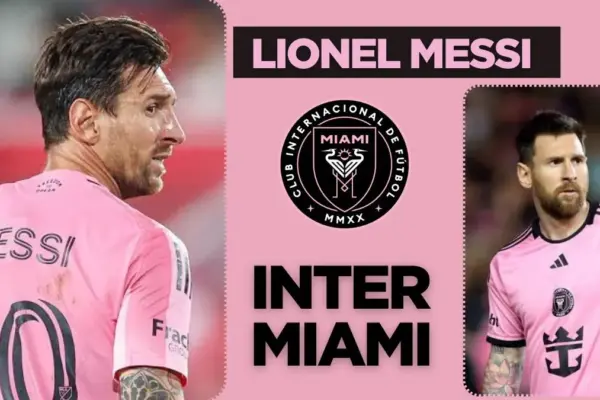
The move ends a three-year stretch of limited involvement. After the 2023 final — in which Houston Dynamo beat a Lionel Messi-led Inter Miami side — MLS scaled back its participation, citing fixture congestion and a preference for the commercially focused Leagues Cup against Liga MX teams. Only eight MLS clubs entered in 2024. That number rose to 16 in both 2025 and 2026.
MLS U.S. Open Cup New Format Designed Around the Calendar
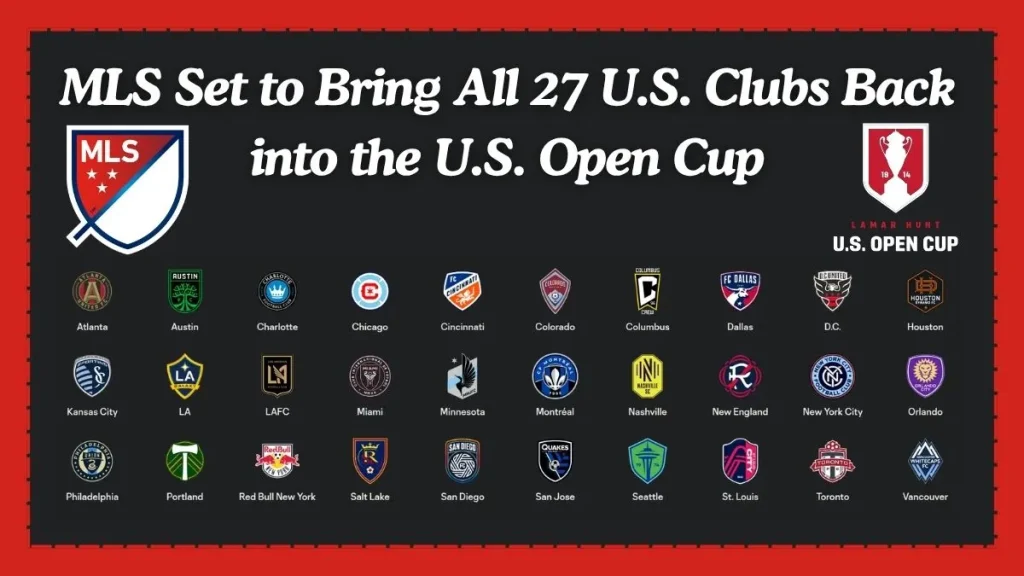
Under the MLS U.S. Open Cup revised structure, MLS teams will enter the 2027 tournament in July at the Round of 64 stage. The final is scheduled for December. Organizers have deliberately shaped the calendar so the Open Cup does not clash with Leagues Cup, addressing one of the main objections MLS raised in previous years.
The MLS U.S. Open Cup competition itself has undergone positive changes recently. Prize money was doubled to $1 million in 2025, and media rights were secured with CBS for 2025 and 2026.
The winner still earns a place in the following season’s Concacaf Champions Cup, giving the tournament meaningful competitive weight beyond domestic prestige.
Why U.S. Open Cup Matters

The U.S. Open Cup dates back to 1914 and remains one of the oldest continuously running cup competitions in the world. It is unique in American soccer because it brings together professional clubs from every level — MLS, USL Championship, USL League One, and amateur sides — in a pure knockout format.
Lower-division teams have produced memorable giant-killing runs over the years, and full MLS participation restores the traditional David-versus-Goliath element that many fans and lower-league clubs value.
For MLS clubs, the return creates both opportunity and risk. The bigger squads will be expected to progress deep into the competition, but the mid-summer entry point means they will face potentially well-rested lower-division opponents at a time when league schedules are still intense.
For smaller clubs, the chance to host or travel to face full-strength MLS sides once again becomes a major attraction for players, sponsors, and supporters.
Background to the Withdrawal
MLS’s partial exit in late 2023 was controversial. League commissioner Don Garber had previously described the Open Cup as not reflecting the image the league wanted to project at the highest level. The decision coincided with the expansion of Leagues Cup and the growing importance of Concacaf Champions Cup qualification.
Critics argued that sidelining the Open Cup weakened a historic national competition and reduced meaningful opportunities for lower-division teams.
The gradual increase from eight to 16 teams over the past two seasons was seen as a compromise. Full reinstatement for 2027 suggests that calendar adjustments and improved prize money have helped bridge the gap between MLS priorities and the tournament’s traditional structure.
What Comes Next after this decision

Official confirmation from MLS U.S. Open Cup is still pending, but sources familiar with the discussions describe the agreement as settled. Details on exact seeding, home-and-away arrangements, and how Canadian MLS clubs (who compete in the Canadian Championship) will be handled are expected to be clarified in the coming months.
For now, the news is being welcomed across the American soccer pyramid. Full MLS participation restores the Open Cup’s status as a genuine national championship open to every level of the game. After three years of reduced involvement, the 2027 edition looks set to feel like a proper return to tradition — with a modern calendar that tries to respect the demands of the professional season.
The decision also reinforces that the Open Cup still holds value even in an era of expanded international club competitions. For players, coaches, and fans who grew up watching underdog stories unfold each spring and summer, the full return of MLS clubs is a significant and positive step.