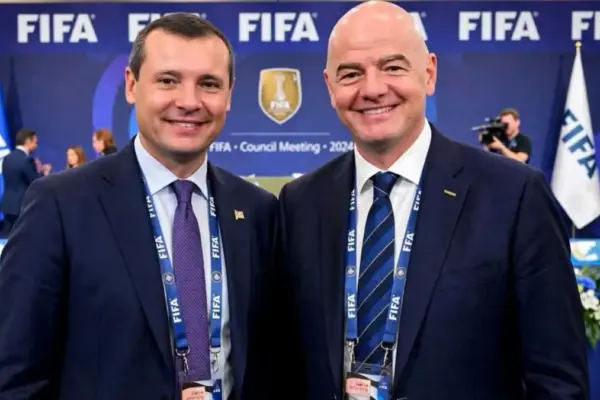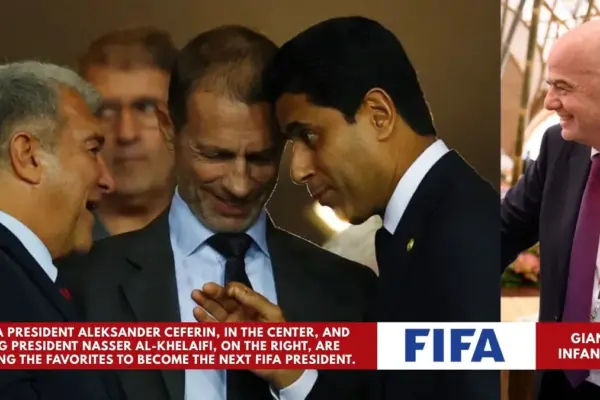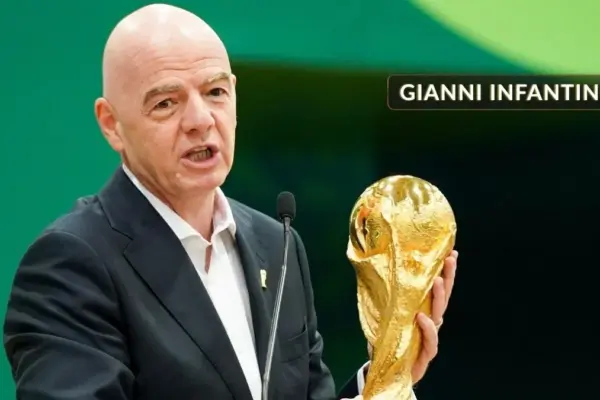
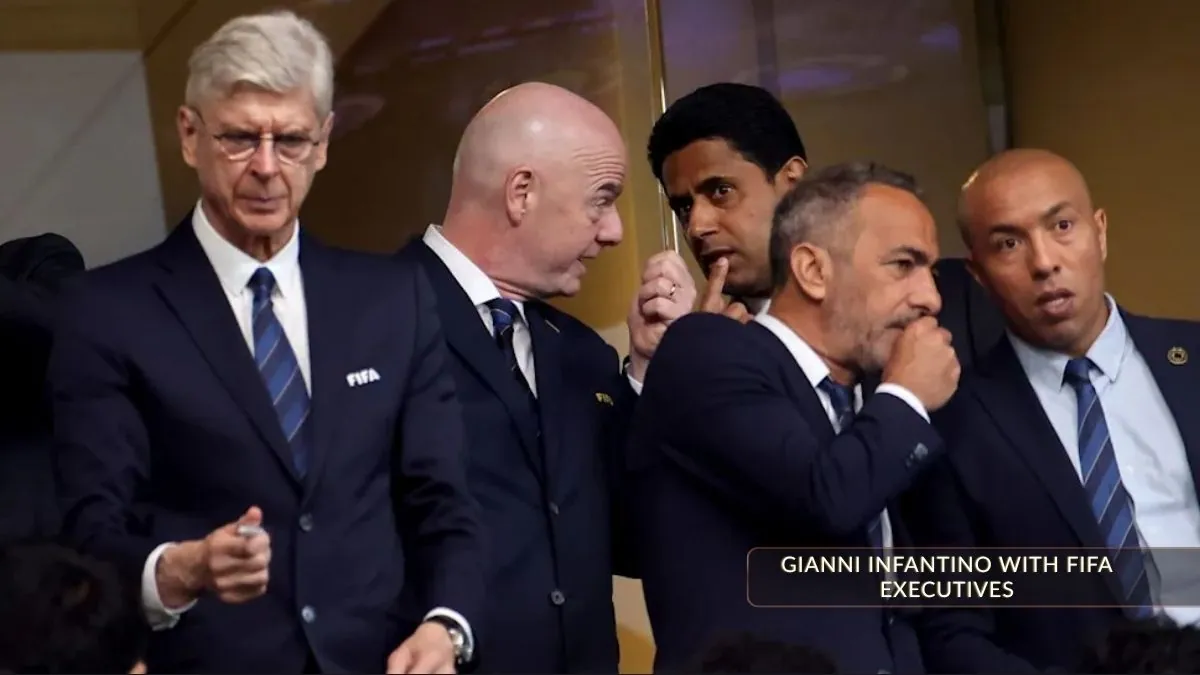
As FIFA President Gianni Infantino prepares to face senior FIFA executives and member associations, world football finds itself at one of the most significant governance crossroads in years. What began as an ambitious proposal to reshape FIFA’s commercial business has quickly evolved into a global debate over transparency, governance, private investment, and the future ownership of football’s biggest competitions.
The controversy surrounding the now-withdrawn FIFA Forward Enterprise (FFE) proposal has placed unprecedented pressure on Infantino. The plan would have created a commercial subsidiary capable of attracting billions of dollars in outside investment by selling minority stakes in FIFA’s commercial rights, including future World Cups.
While FIFA argued the move would unlock more funding for football development worldwide, critics feared it would commercialize the sport beyond acceptable limits and reduce accountability.
With UEFA, several national associations, and even some senior FIFA officials openly questioning the process, the upcoming executive discussions could shape the future direction of world football for years to come.
Why Is Gianni Infantino Under Pressure?
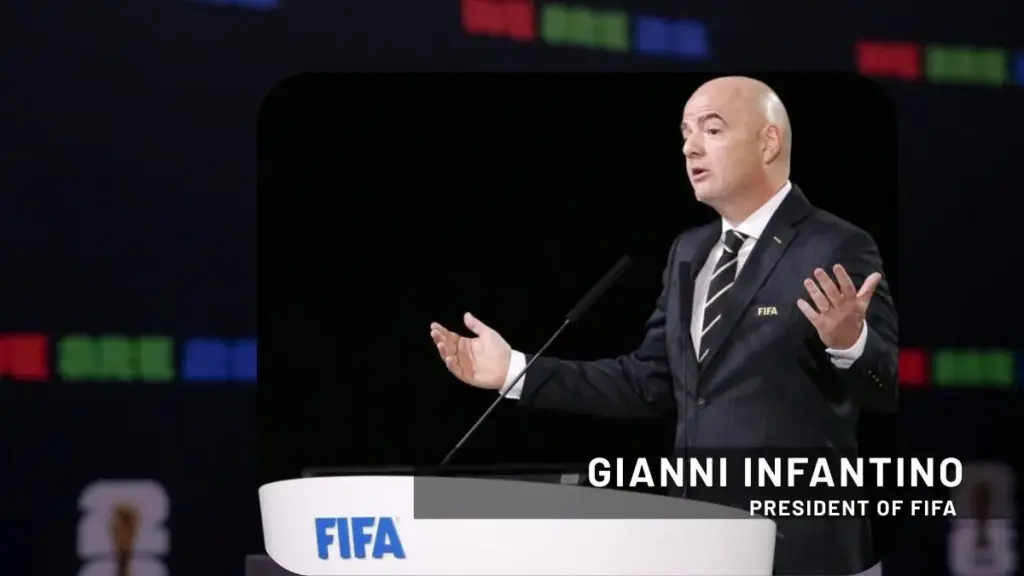
The immediate trigger is the failed attempt to establish FIFA Forward Enterprise, a commercial company that would have managed FIFA’s business operations and allowed minority investment from private equity partners.
Supporters argued that the initiative could generate billions of dollars for football development, infrastructure, youth academies, and member associations.
Opponents, however, raised several concerns:
- Lack of consultation with member associations
- Limited transparency over potential investors
- Fear of commercial influence over football governance
- Possible conflicts between sporting integrity and financial interests
Following widespread criticism, FIFA eventually withdrew the proposal, but questions over leadership and governance remain.
The Biggest Questions Facing FIFA Executives
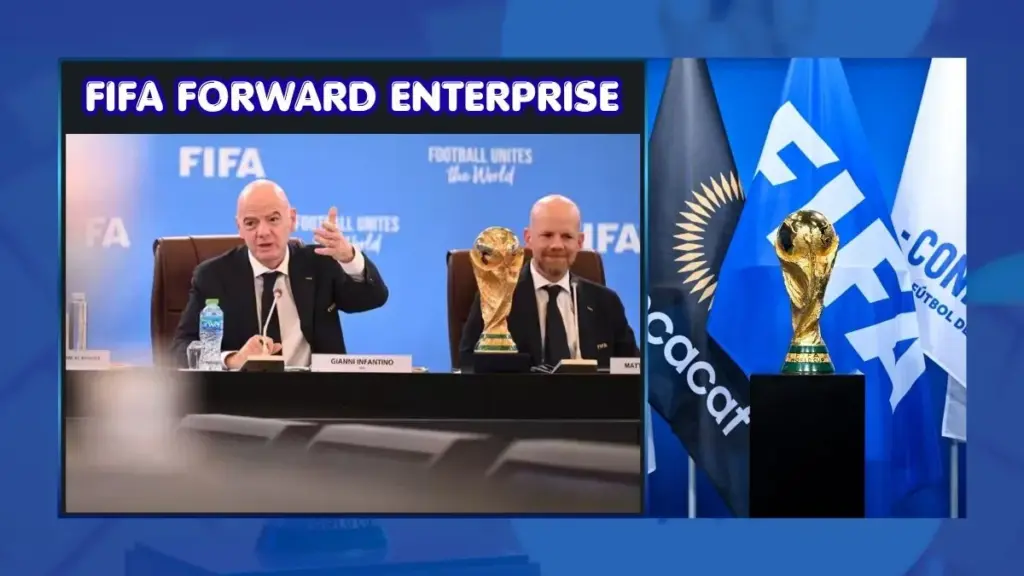
1. Has the FIFA Forward Enterprise Proposal Really Been Abandoned?
One of the first questions executives are expected to ask is whether the commercial restructuring plan has been permanently shelved or merely postponed.
Although FIFA publicly withdrew the proposal, several football officials believe the organization may revisit similar ideas in a different form once political tensions ease. Executives are likely to seek clear guarantees regarding any future commercialization plans.
2. Can FIFA Restore Trust With UEFA?
Relations between FIFA and UEFA have deteriorated significantly over the past week.
UEFA’s leadership strongly opposed the proposal and several European associations even discussed the possibility of boycotting FIFA competitions if governance concerns were ignored.
Rebuilding that relationship will be essential if FIFA hopes to avoid long-term divisions within international football.
3. How Transparent Will FIFA Become?
Transparency has become perhaps the biggest issue in the current debate.
Many national federations want answers regarding:
- How the proposal was developed
- Which investors were approached
- Who participated in negotiations
- Why member associations were not consulted earlier
Several football leaders have called for stronger governance safeguards before any future commercial reforms are considered.
4. Does Infantino Still Have Enough Political Support?
Despite heavy criticism from Europe, Infantino continues to enjoy backing from many associations across Africa, Asia, Oceania and parts of South America.
The balance of political support inside FIFA remains one of the biggest unknowns.
Executives will closely monitor whether recent controversies have weakened his position ahead of future leadership decisions.
5. Could There Be Governance Reforms?
Several member associations are expected to push for reforms that include:
- Greater executive oversight
- Earlier consultation with confederations
- Independent governance reviews
- Stronger transparency requirements
- Clearer approval processes for major commercial projects
While no formal reform package has yet been announced, governance is expected to dominate discussions.
6. Will Future World Cups Be Affected?
The immediate sporting calendar is unlikely to change.
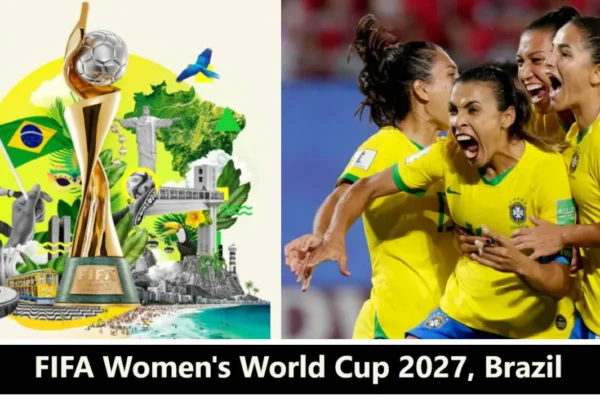
The 2030 FIFA World Cup, 2031 FIFA Women’s World Cup, and 2034 FIFA World Cup preparations continue as planned.
However, executives will want reassurance that future commercial partnerships do not compromise tournament independence or football governance.
7. What Happens If Opposition Continues Growing?
Some football associations have discussed extraordinary governance measures, including calls for wider FIFA debates and possible leadership challenges.
Although there is currently no formal vote scheduled, continued resistance from major confederations could increase pressure on FIFA’s leadership over the coming months.
Why This Meeting Matters
The upcoming discussions are about far more than one commercial proposal. Executives must address broader questions regarding:
- FIFA’s long-term governance model
- Commercial independence
- Member association influence
- Financial sustainability
- Global football unity
How FIFA responds may define the organization’s credibility throughout the remainder of Infantino’s presidency.
The Road Ahead
Although FIFA has stepped back from the controversial commercial restructuring plan, the underlying issues have not disappeared.
Football continues to generate record revenues, creating increasing pressure to modernize its commercial operations while protecting sporting integrity.
Finding the balance between financial growth and transparent governance will remain one of FIFA’s greatest challenges.
Final Thoughts
Gianni Infantino enters this round of executive meetings facing perhaps the most difficult political challenge of his presidency. The questions surrounding governance, commercial strategy, and transparency extend well beyond the abandoned FIFA Forward Enterprise proposal.
Whether FIFA emerges stronger—or more divided—will depend on how openly executives address these concerns and whether meaningful governance reforms follow.
For supporters, clubs, national associations, and commercial partners alike, the decisions made in the coming weeks could shape the future of world football for the next decade.