The 2026 FIFA World Cup is set to redefine the biggest tournament in world football. For the first time in history, the competition expands to 48 teams and will be hosted across three countries — the United States, Mexico, and Canada. Compared to Qatar 2022, this edition introduces more matches, more cities, and a completely redesigned format.
This change boosts the total number of matches by 62.5%, going from 64 games in 2022 to 104 games in 2026.
While the 2022 FIFA World Cup in Qatar delivered one of the most dramatic finals ever, 2026 promises scale, commercial growth, and global reach on an entirely different level.
2026 vs 2022 FIFA World Cup – Top 11 Key Points

Qatar 2022 delivered intensity and a tightly packed schedule that produced iconic moments. The 2026 World Cup, however, is designed for scale — more teams, more matches, and more global engagement.
Here’s a complete comparison between the two tournaments — From the Format Overhaul, Geographic Scale, Revenue & Attendance, Infrastructure, to Climate & Sustainability, format, teams, venues, schedule, and key structural changes.
1. Basic Overview
| Feature | 2022 Qatar | 2026 North America |
|---|---|---|
| Host Nations | 1 (Qatar) | 3 (USA, Mexico, Canada) |
| Date | 20 Nov – 18 Dec 2022 | 11 Jun – 19 Jul 2026 |
| Total Teams | 32 | 48 |
| Total Matches | 64 | 104 |
| Tournament Duration | 29 days (Nov–Dec) | 39 days (June–July) |
| Host Cities | 1 (Doha region) | 16 |
| Venues | 8 stadiums | 16 stadiums |
| Matches to Win | 7 | 8 |
- Biggest differences: 2026 is the first 48‑team World Cup, the first across three countries, and has 40 more matches than Qatar 2022.
2. Format & Tournament Structure
Qatar 2022 (old format)
- 8 groups of 4 (A–H).
- Top 2 in each group → Round of 16 (straight to last 16).
- 7 matches needed to win the trophy.
World Cup 2026 (new format)
- 12 groups of 4 teams.
- Top 2 from each group (24 teams) + 8 best third‑placed teams → Round of 32.
- Knockout path: Round of 32 → Round of 16 → QF → SF → Final.
- Champion will play 8 matches instead of 7.
Impact:
- 2026 will have more knockout football earlier (Round of 32), more chances for shocks and Cinderella runs, but also more fixture congestion and rotation decisions.
3. Calendar & Weather
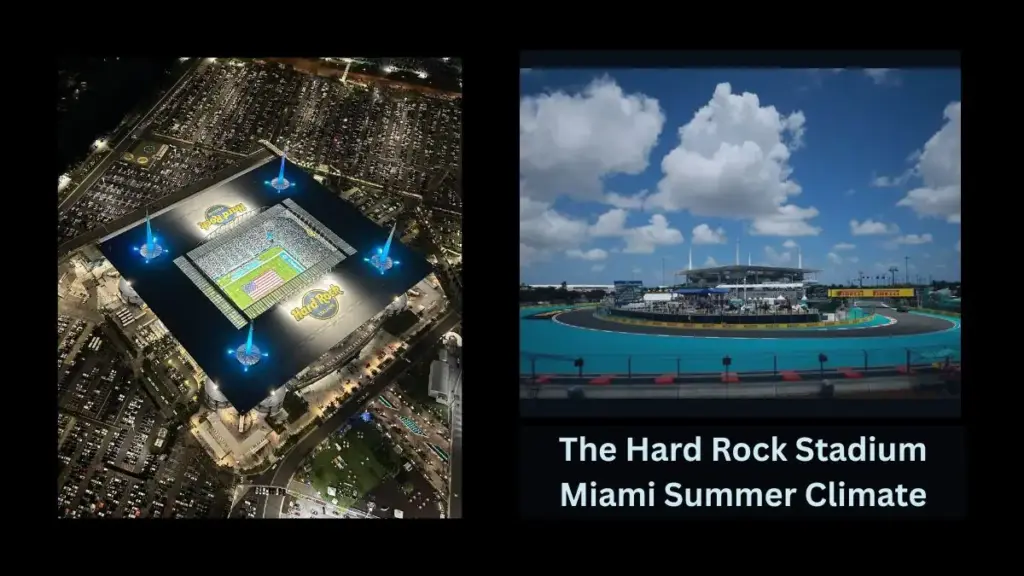
- 2022 Qatar: Played in November–December to avoid extre`me Gulf summer heat; 29‑day compact tournament.
- 2026 North America: Returns to the traditional June–July window (11 June – 19 July), over 39 days.
Implications:
- 2022 heavily disrupted European club seasons but offered mid‑season player fitness peaks.
- 2026 aligns with classic off‑season World Cups but raises heat/travel load issues in some U.S. venues and adds another long summer for already overloaded players.
4. Geography, Travel & Stadiums
Qatar 2022
- 8 stadiums in 5 cities, all within ~60 km radius of Doha.
- Unique “compact World Cup”: almost no domestic flights; fans could attend multiple matches in a day.
World Cup 2026
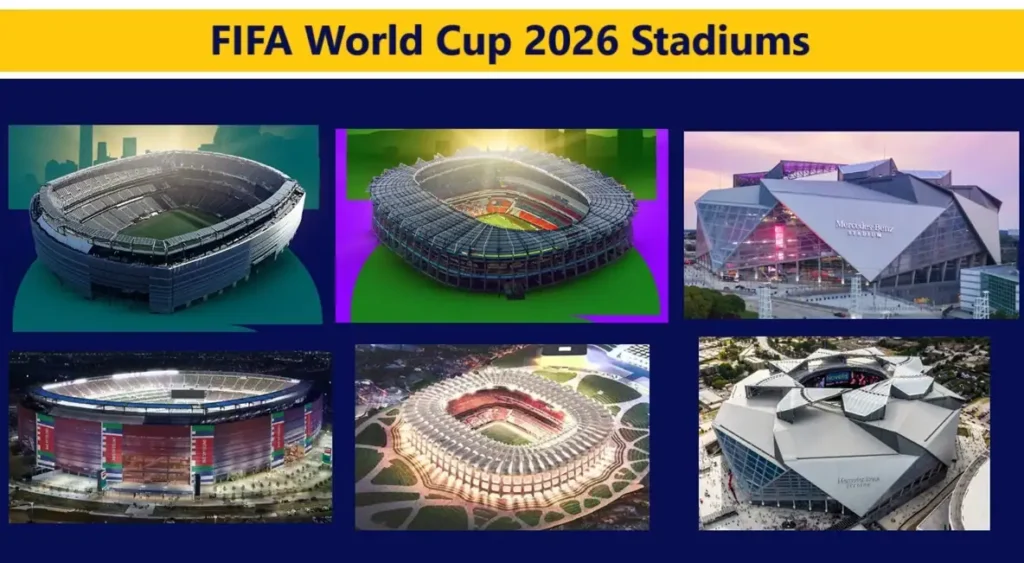
- 16 host cities: 11 in USA, 3 in Mexico, 2 in Canada.
- Opening match: Estadio Azteca, Mexico City (11 June).
- Final: MetLife Stadium / “New York New Jersey Stadium”, East Rutherford, New Jersey (19 July).
- The USA hosts 78 matches; Canada and Mexico host 13 each.
Implications:
- 2026 will be logistics‑heavy, with long-haul flights, time‑zone changes, and varied climates (heat in Texas, altitude in Mexico City, cooler conditions in Canada).
- Stadiums are bigger NFL‑style arenas; average capacities will exceed Qatar’s compact venues, boosting in‑stadium attendance.
5. Teams, Slots & Competitive Balance
Number of teams
- 2022: 32 teams, classic format used since 1998.
- 2026: 48 teams, 16 additional slots.
Extra slots by confederation (2026):
- UEFA: from 13 to 16.
- CAF: from 5 to 9 + possible playoff spot.
- AFC: from 4.5 to 8 + playoff.
- CONCACAF: from 3.5 to 6 + hosts.
- CONMEBOL: from 4.5 to 6.
Pros:
- Much more global representation (especially Africa and Asia), more debut nations, and wider fan interest.
Cons:
- Risk of more lopsided group matches and diluted average quality, at least in the early stages.
- But the Round of 32 increases upset potential.
6. Football Quality & Drama
2022 Qatar:
- Widely viewed as one of the most dramatic World Cups ever: Saudi Arabia’s shock win over Argentina, Japan’s comebacks, Morocco’s historic run to the semi‑final.
- Most goals in any World Cup: 172 goals, beating the 171 record of 1998 & 2014.
- Final (Argentina 3–3 France, 4–2 pens) considered an all‑time classic.
2026 Outlook:
- Hard to judge play quality in advance, but:
- An extra match for the finalists may encourage more rotation and tactical pragmatism.
- A larger field could reduce average quality but increase narrative variety: more upsets, more defensive minnows, more styles.
Net effect: 2022 sets an extremely high bar for football purity and storylines; 2026 will likely win on volume and diversity, not necessarily on per‑match intensity.
7. Attendance & Global Audience
Stadium attendance (2022):
- 3.4 million spectators total, average stadium fill 96.3% capacity.
- Largest crowd: 88,966 at Lusail for Argentina–Mexico.
Stadium attendance (2026 projection):
- With 104 matches, almost all in 60k–90k venues, total attendance is expected to easily surpass 4–5 million, likely a record, though FIFA hasn’t published a final projection yet.
Global audience (2022):
- FIFA says 5 billion people engaged with the tournament across platforms.
- The final was the most‑watched World Cup match ever, beating 2018.
- In the U.S., the 2022 final drew nearly 26 million viewers across English and Spanish broadcasts.
Global audience (2026 expectation):
- North American prime‑time slots + home interest in the U.S. (a huge TV market) make it very likely that 2026 will break U.S. viewership records and challenge or exceed 2022’s global numbers.
- The presence of three host nations and an expanded number of participating countries should broaden the total reach even further.
8. Technology, VAR & AI
Qatar 2022:
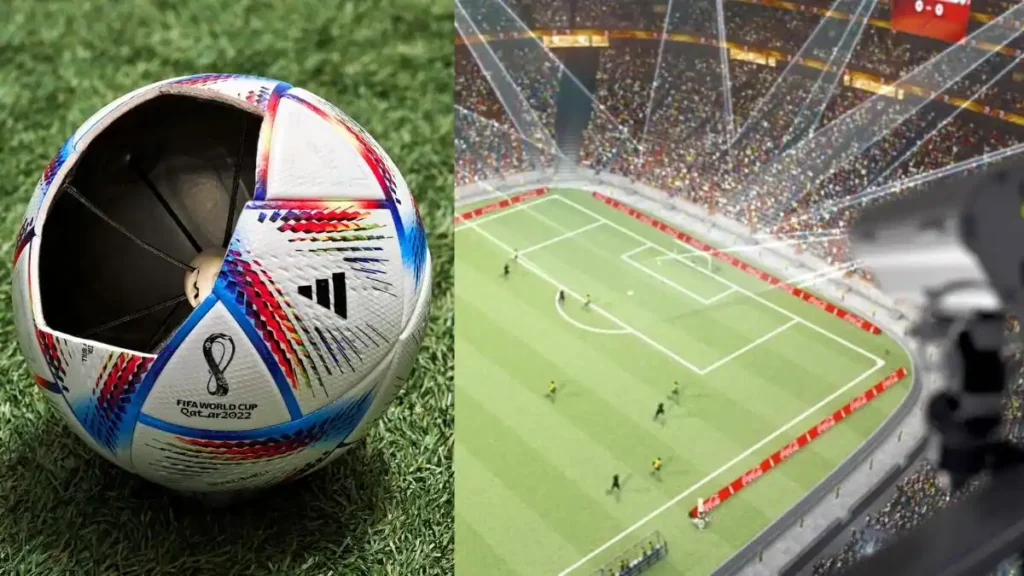
- Used semi‑automated offside technology with limb‑tracking and 3D animation, plus standard VAR, goal‑line tech, and connected ball sensors.
- Considered a big step forward from 2018 but still drew criticism over transparency and communication.
World Cup 2026:
FIFA and Lenovo are positioning 2026 as the “most AI‑driven event in sports history” with a suite of tools.
- Football AI Pro: generative‑AI assistant giving all 48 teams access to advanced analytics and tactical insights based on millions of data points.
- AI‑enabled 3D player avatars: players scanned to create full 3D models, allowing more precise, visually clear offside decisions in VAR.
- Next‑gen Referee View: body‑cam footage stabilized in real time by AI for broadcast, offering a first‑person POV on decisions.
- AI‑driven command centers & digital twins of stadiums for operations, crowd management, and security.
Compared with 2022, 2026 will push much further into real‑time AI support for referees, operations, teams, and fan engagement.
9. Tickets, Pricing & Fan Experience
2022 Qatar:

- Criticism focused more on travel costs and accommodation, plus human‑rights and migrant‑worker issues, than on ticket tech.
- Ticket scams and secondary‑market gouging still existed.
2026 North America:
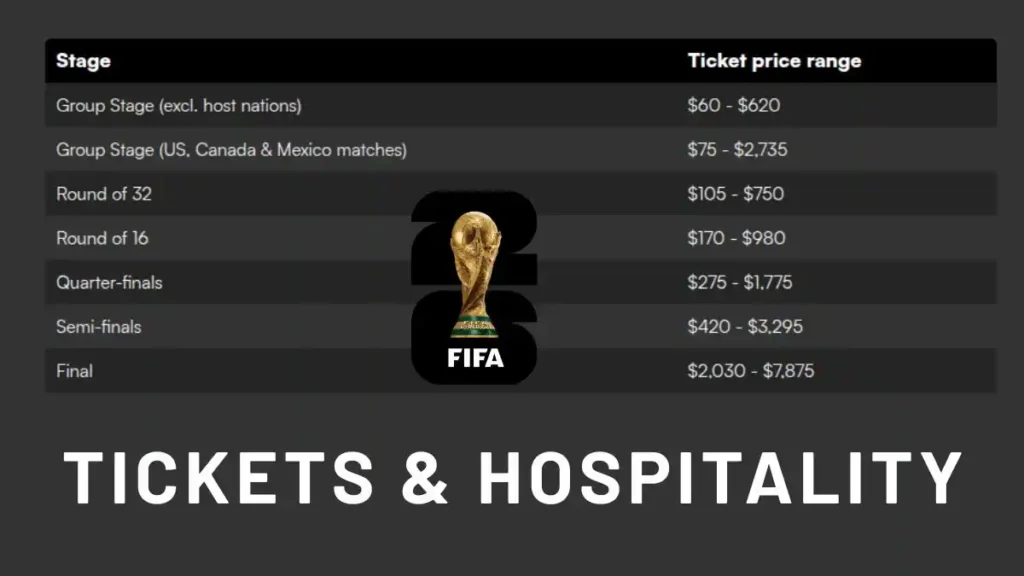
- Ticketing is being redesigned around an AI‑assisted “lottery + deposit” model aimed at reducing scalping and bots, but early reporting suggests very high face values, plus steep parking and hospitality prices.
- Parking at some U.S. venues is priced at $100–175 per car, turning into a new revenue stream but adding to fan costs.
- On the positive side, North American infrastructure (airports, highways, hotels, digital payments) is generally better suited to handling massive traveling crowds than Qatar’s small footprint.
Net: Qatar 2022 was expensive but compact; 2026 will be even more expensive overall, but with more choice of cities, travel options, and side tourism.
10. Politics, Human Rights & Image
2022 Qatar:
- Constant scrutiny over migrant‑worker deaths, working conditions, LGBTQ+ rights, and “sportswashing”.
- Many fans and media saw off‑the‑pitch controversies as inescapable parts of the story.
2026 North America:
- Less focus on human‑rights record of hosts, more on:
- Commercialisation (ticket/parking pricing, hospitality tiers).
- Environmental cost of large‑scale air travel.
- Internal U.S./Canada/Mexico debates over public funding and security.
Overall, 2026 is likely to face fewer systemic human‑rights criticisms than Qatar, but more debate about money and scale.
11. Legacy
Qatar 2022 legacy:
- Brand‑new stadia (some partially dismantled), infrastructure built largely from scratch.
- Long‑term question: how often will those stadiums be filled post‑tournament?
World Cup 2026 legacy:
- Most matches in existing multi‑purpose or NFL stadia that will remain heavily used.
- Big push to accelerate soccer’s growth in the U.S. and Canada, possibly triggering a new wave of MLS/NWSL interest and investment.
- For Mexico, a chance to re‑cement its status as a World Cup‑grade host after 1970 and 1986.
Which World Cup is better – 2026 vs 2022 FIFA World Cup?
Pure football drama & compact feel:
- Advantage 2022 – 32‑team format, minimal travel, and an all‑timer final gave Qatar 2022 an almost Champions‑League‑style intensity.
Scale, inclusion & global reach:
- Advantage 2026 – more teams, more regions represented, larger crowds, three host nations, and North American TV power.
Technology & innovation:
- Clear advantage 2026 – AI‑powered officiating, analytics, and operations go far beyond 2022’s early semi‑automated VAR tools.
Fan logistics & cost:
- Mixed: Qatar was physically easy but geopolitically controversial and still costly; 2026 offers more travel and tourism options but at higher ticket and travel prices, and with heavy internal travel.