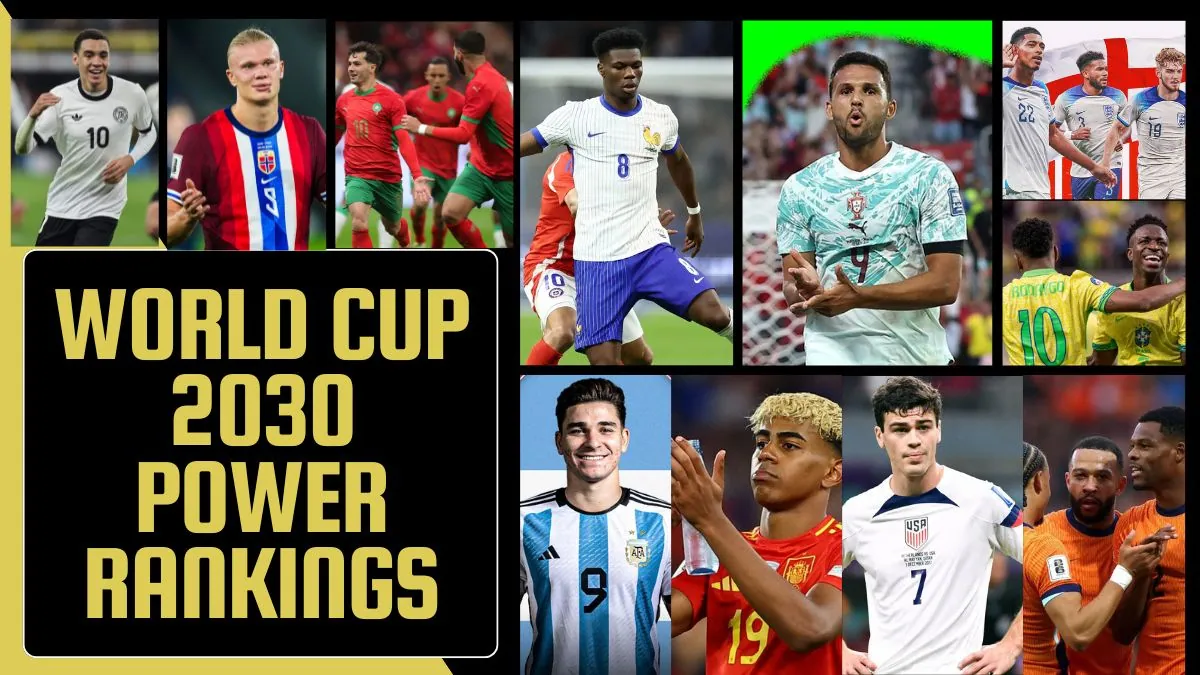
World Cup 2030 Power Rankings are already one of football’s hottest talking points, even though the 2026 FIFA World Cup has only just concluded. With Spain, Portugal, and Morocco set to co-host the tournament—and centenary matches taking place in Uruguay, Argentina, and Paraguay—the race for the next world champion is already taking shape.
Spain enter the new cycle as defending champions, while France, England, Argentina, Brazil, and several emerging nations are preparing for another shot at football’s biggest prize. Based on current squads, young talent, and long-term potential, here are our way-too-early World Cup 2030 Power Rankings.
Here is a way-too-early power ranking of the teams best positioned to challenge for the title in four years’ time.
1. Spain – No. 1 in Our World Cup 2030 Power Rankings
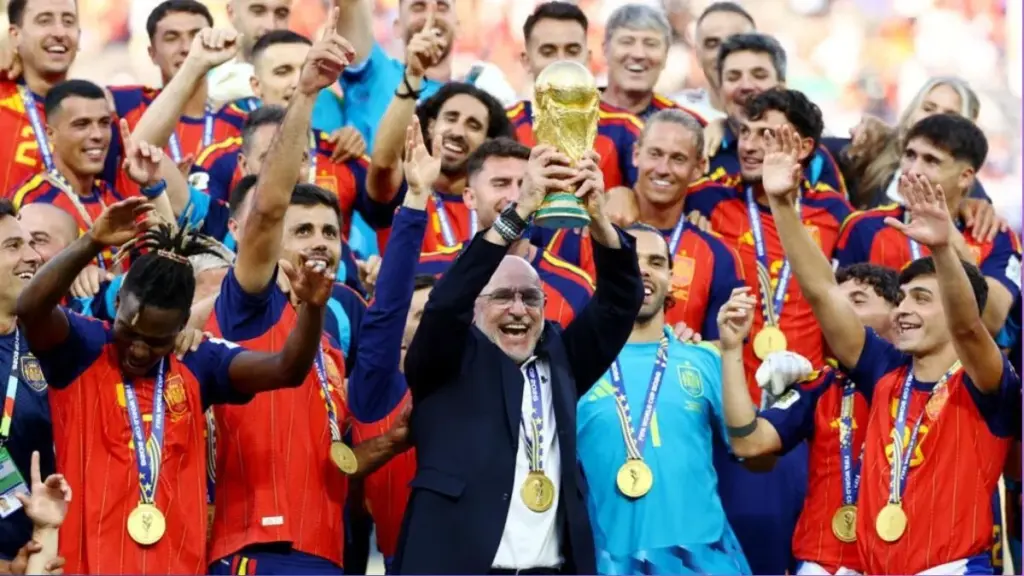
Spain enter the next cycle as clear favourites. Fresh off winning the 2026 World Cup, Luis de la Fuente’s side possess the ideal blend of experience, tactical clarity and elite young talent. Lamine Yamal, Pedri, Pau Cubarsí and Nico Williams will still be in their prime in 2030.
The core of the squad that dominated possession and controlled matches in 2026 remains intact, and the advantage of co-hosting only strengthens their case. No team looks better placed to defend a World Cup title on home soil.
2. France
France remain the biggest threat. Even after falling short in 2026, the depth of talent available to Les Bleus is unmatched. Kylian Mbappé will still be in his early 30s, while a new wave of attackers and midfielders continues to develop.
The expected arrival of Zinedine Zidane as head coach adds further intrigue. France have reached at least the semi-finals in consecutive tournaments and possess the quality to go one step further in 2030.
3. England
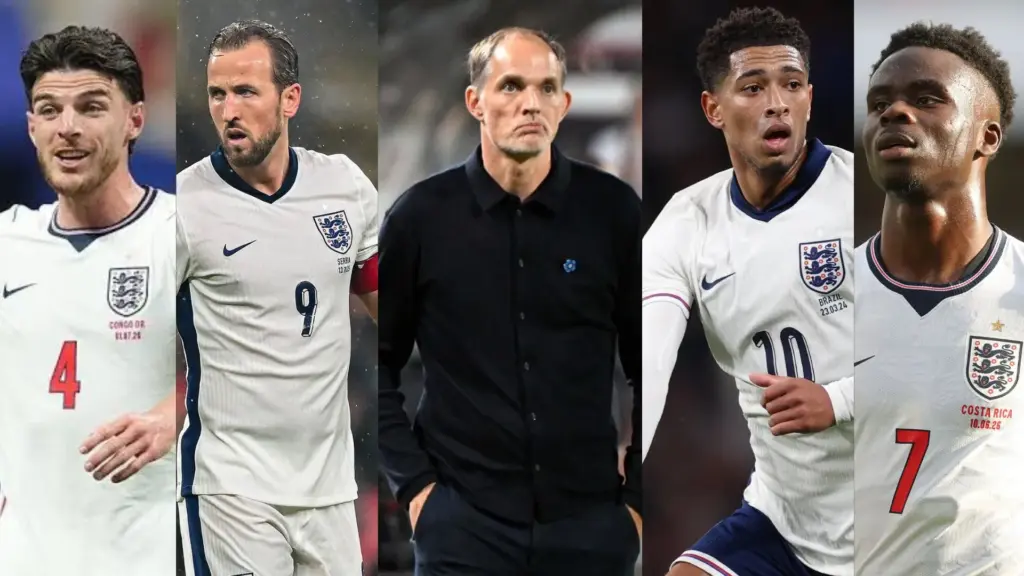
England’s young core continues to mature. Jude Bellingham, Bukayo Saka, Declan Rice and a strong supporting cast give the Three Lions genuine star power across the pitch.
Consistency on the biggest stage has been their biggest challenge, but the talent base suggests they will remain among the top contenders. A settled tactical identity under their next coach could finally turn potential into silverware.
4. Portugal
Portugal lose Cristiano Ronaldo from the international stage but retain a talented and experienced group. Bruno Fernandes, Rúben Dias and a collection of emerging attackers keep them competitive.
As co-hosts in 2030, they will benefit from familiar conditions and passionate support. A strong qualifying campaign and continuity could push them into genuine title contention.
5. Brazil
Brazil’s rebuilding process continues, but the talent pipeline never dries up. The next generation of attackers and midfielders is already making noise at club level. If the national team finds the right balance between flair and structure, the five-time champions will once again be dangerous. Brazil rarely stay outside the top group for long.
6. Argentina
The post-Messi era begins in earnest. Argentina’s golden generation is aging, yet the country’s ability to produce high-level players remains elite.
A successful transition could keep them among the contenders, especially with the experience of recent deep tournament runs still fresh. Hosting a centenary match in 2030 will only add emotion to their campaign.
7. Germany
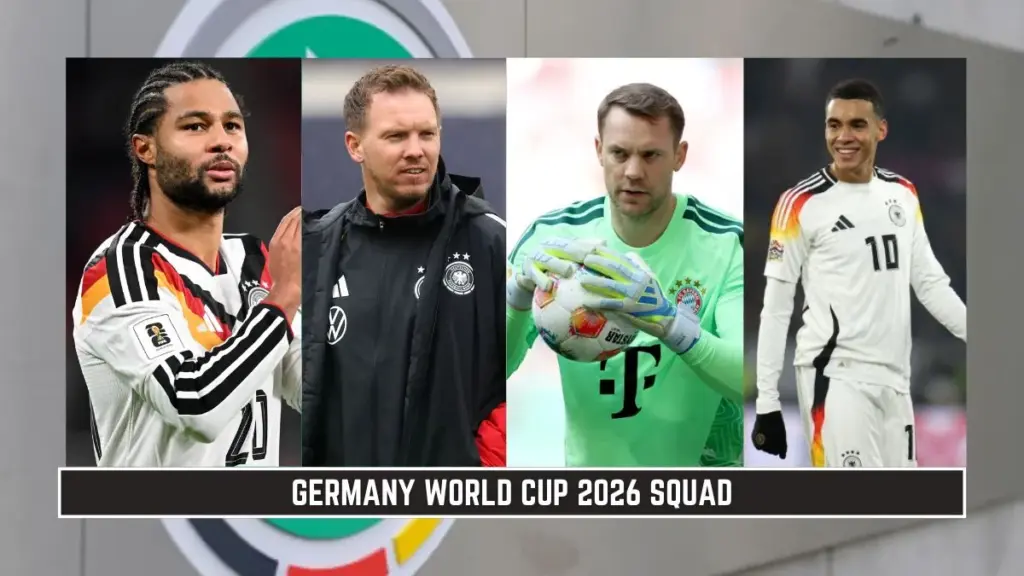
Germany’s revival appears underway. A new wave of technical, tactically flexible players is emerging, and the national team has shown signs of rediscovering its identity. Consistency has been lacking in recent major tournaments, but the underlying quality suggests a return to the top table is possible by 2030.
8. Netherlands
The Netherlands continue to produce creative, high-ceiling players. Their attacking talent and traditional football identity make them a dangerous dark horse. If they can solve defensive vulnerabilities and maintain squad harmony, they have the tools to reach the latter stages once again.
9. Morocco
Morocco’s rise has been one of the most impressive stories in recent international football. As co-hosts in 2030, they will enjoy significant home advantage. A growing pool of Europe-based talent and the confidence of recent tournament runs give them a realistic path to another deep campaign.
10. Norway

Erling Haaland remains the centrepiece, but Norway’s supporting cast is improving. Consistent performances in qualifying and a clearer tactical structure could turn them into genuine outsiders. Few teams possess a more decisive individual talent.
The Road Ahead
The 2030 World Cup will feature 48 teams, with automatic qualification already secured for the six host nations (Spain, Portugal, Morocco, Uruguay, Argentina and Paraguay). Qualifying across the remaining confederations will begin in earnest over the coming years.
While Spain currently sit at the top of the rankings, four years is a long time in international football. Injuries, managerial changes, form fluctuations and the emergence of new stars can quickly alter the landscape.
France, England and Portugal all possess the quality to close the gap, while traditional powers such as Brazil and Argentina cannot be discounted.
For now, the early consensus is clear: the defending champions start as favourites. Whether Spain can become the first team to successfully defend a World Cup title since Brazil in the 1960s remains the central question of the next cycle.
The countdown to 2030 has already begun.
What are the World Cup 2030 Power Rankings?
The World Cup 2030 Power Rankings are an early assessment of the national teams most likely to challenge for the FIFA World Cup title. They are based on current squad strength, recent performances, young talent, coaching stability, and long-term potential.
Who is ranked No. 1 in the World Cup 2030 Power Rankings?
Spain are ranked No. 1 after winning the 2026 FIFA World Cup. Their talented young core, experienced squad, and home advantage as co-hosts make them early favorites.
Which teams are expected to challenge for the 2030 FIFA World Cup?
Spain, France, England, Argentina, Brazil, Portugal, Germany, Morocco, the Netherlands, and Italy are among the strongest early contenders for the 2030 FIFA World Cup.
Why are these World Cup 2030 Power Rankings called “way-too-early”?
The tournament is still four years away, and many factors—including player development, injuries, coaching changes, and qualification results—could significantly change the rankings before kickoff.
Which countries will host the 2030 FIFA World Cup?
The 2030 FIFA World Cup will be co-hosted by Spain, Portugal, and Morocco, while Uruguay, Argentina, and Paraguay will each host one centenary match to celebrate 100 years of the FIFA World Cup.
How often will the World Cup 2030 Power Rankings be updated?
The rankings will be updated regularly as teams qualify, new players emerge, and major international tournaments reshape the race for the 2030 FIFA World Cup.
Which young players could shape the 2030 FIFA World Cup?
Players such as Lamine Yamal, Pau Cubarsí, Warren Zaïre-Emery, Endrick, Estêvão, Kobbie Mainoo, and Arda Güler are expected to be among the biggest stars by 2030.
What factors determine the World Cup 2030 Power Rankings?
The rankings consider recent tournament performances, squad depth, player age profiles, coaching, FIFA World Cup experience, and the overall potential of each national team heading toward 2030.