The dust has barely settled on the 2026 FIFA World Cup, yet football fans are already looking ahead to the next edition for the 2030 FIFA World Cup Qualified Teams. The 2030 tournament will mark a historic milestone — the 100th anniversary of the first World Cup held in Uruguay in 1930.
With that special occasion comes a unique hosting arrangement and six teams that have already secured their places without playing a single qualifying match.
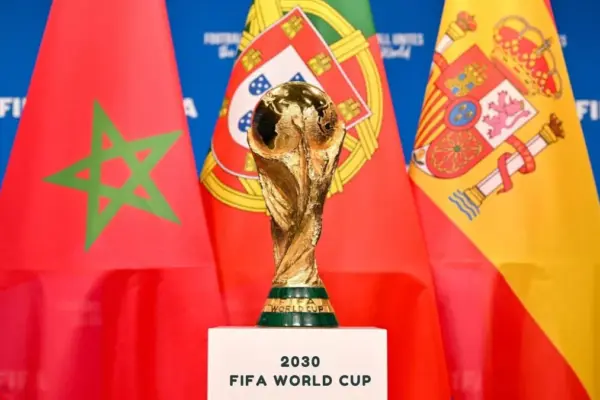
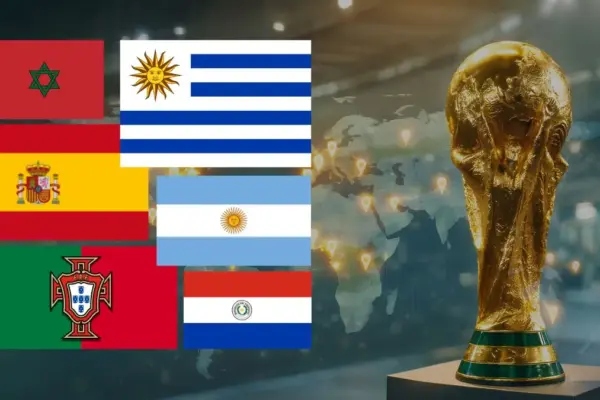
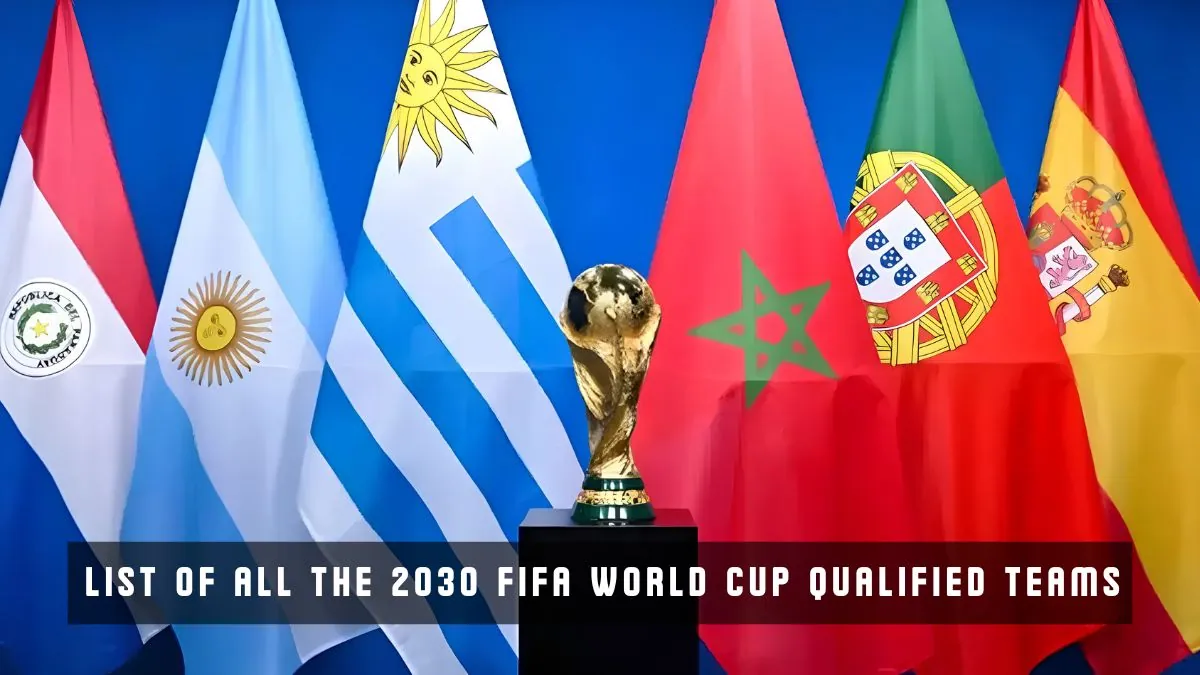
As of 2026, only six nations have officially qualified for the 2030 FIFA World Cup. These teams earned automatic qualification as hosts of the tournament or of the special centenary matches.
The remaining spots will be decided through continental qualifying campaigns that are expected to begin in 2027 and conclude in 2029.
Here is the complete list of 2030 FIFA World Cup qualified teams and everything you need to know about them.
List of all the 2030 FIFA World Cup Qualified Teams
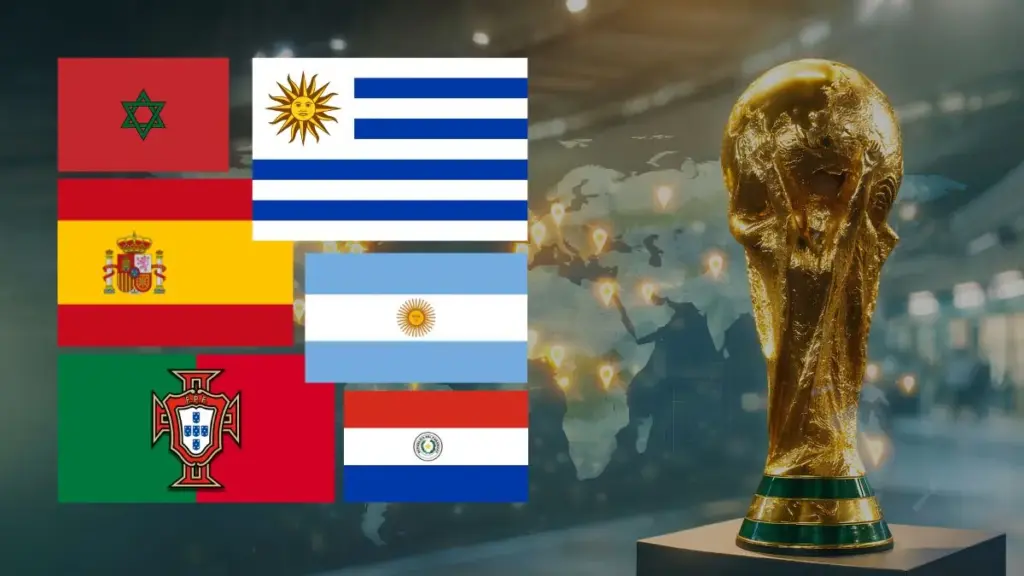
| Qualified Team | Qualification Reason | Confederation |
|---|---|---|
| Morocco | Main Co-Host | CAF (Africa) |
| Portugal | Main Co-Host | UEFA (Europe) |
| Spain | Main Co-Host | UEFA (Europe) |
| Argentina | Centenary Match Host | CONMEBOL (South America) |
| Paraguay | Centenary Match Host | CONMEBOL (South America) |
| Uruguay | Centenary Match Host | CONMEBOL (South America) |
Spain – Main Co-Host and Defending Champions
Spain have already booked their place at the 2030 World Cup as one of the three main co-hosts alongside Portugal and Morocco. Fresh from winning the 2026 title, La Roja will enter the tournament as defending champions on home soil — a rare and powerful combination.
Spain last hosted the World Cup in 1982 and will now get the chance to defend their crown in front of passionate home crowds across multiple Spanish cities. Their automatic qualification allows the team to focus fully on preparation rather than the pressure of continental qualifying.
Portugal – Main Co-Host Making History
Portugal will host World Cup matches for the first time in 2030. As a main co-host, the Portuguese national team has secured automatic qualification.
This is a major moment for Portuguese football. Fans will finally see the Seleção play major tournament matches on home soil in stadiums such as Estádio da Luz and Estádio do Dragão. Portugal’s presence as hosts guarantees one of Europe’s strongest and most consistent teams a place in the finals four years early.
Morocco – Main Co-Host and African Trailblazer
Morocco becomes the first North African nation to co-host a FIFA World Cup. As one of the three primary hosts, the Atlas Lions have automatically qualified for the 2030 tournament. Morocco’s historic run to the 2022 World Cup semifinals and strong performances in recent years make their automatic qualification especially significant for African football.
The country will stage matches in modern venues including the massive Hassan II Stadium in Casablanca. Moroccan fans will have the rare opportunity to support their team as hosts on the biggest stage in world football.
Argentina – Centenary Match Host
Argentina have already qualified for the 2030 World Cup as one of the three South American nations chosen to host a special centenary match. Even though the main tournament will take place in Europe and North Africa, Argentina will stage one of the opening games of the competition.
This automatic qualification is particularly meaningful after their strong showing in 2026. La Albiceleste will not need to go through the demanding CONMEBOL qualifiers and can begin long-term preparations for another title challenge.
Uruguay – Centenary Match Host and Birthplace of the World Cup
Uruguay holds a special place in World Cup history as the host and winner of the very first tournament in 1930. In recognition of that legacy, FIFA awarded Uruguay one of the three centenary celebration matches.
As a result, Uruguay have automatically qualified for the 2030 finals. The opening match is expected to take place at the iconic Estadio Centenario in Montevideo. For Uruguayan football, this is both a historic honour and a guaranteed place at the centenary World Cup.
Paraguay – Centenary Match Host
Paraguay completes the group of six automatic qualifiers. The country will host one of the three opening centenary matches and therefore earns automatic qualification. Paraguay has never hosted a World Cup match before, making this a landmark moment for the nation.
Their guaranteed place removes the uncertainty of South American qualifying and allows the team to plan with confidence for 2030.
Why These Six Teams Qualified Automatically
FIFA tradition grants automatic qualification to host nations. Because the 2030 World Cup is being staged across six countries, all six receive that privilege. Spain, Portugal and Morocco are the primary tournament hosts and will stage the majority of matches.
Argentina, Uruguay and Paraguay were selected to host one opening match each to celebrate the 100th anniversary of the World Cup. These three South American nations will open the tournament before action moves to Europe and North Africa.
2030 FIFA World Cup Qualified Teams So Far
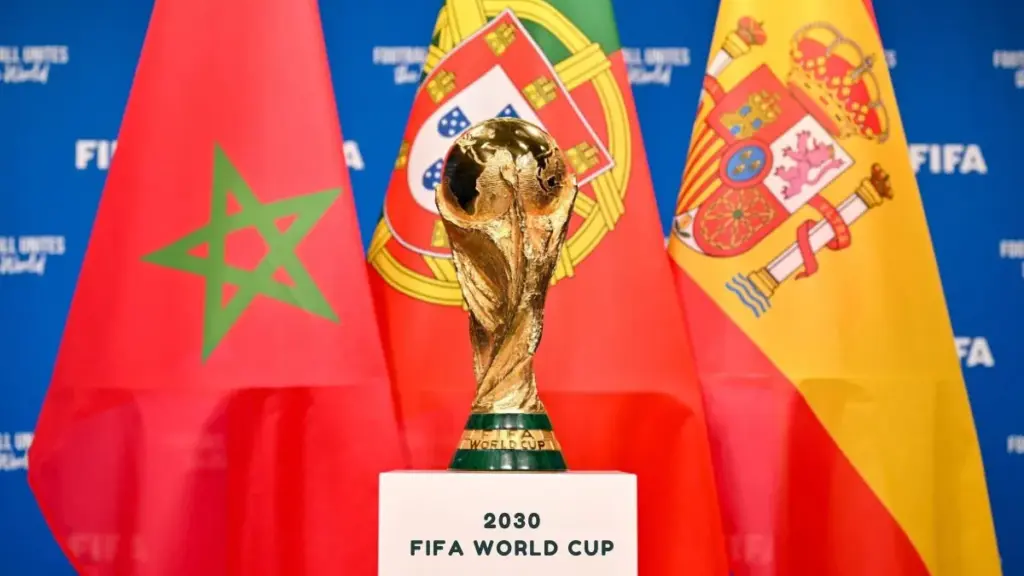
Six national teams have secured their spots before the qualification process for the 2030 FIFA World Cup, as confirmed by FIFA.
1. The Main Co-Hosts (3 Spots)
FIFA selected the joint bid from Morocco, Portugal, and Spain as the official and sole host candidate for the 2030 tournament.
- Reason: As the official tournament hosts, they receive direct entry.
- Impact: They will host 101 of the 104 matches scheduled for the tournament.
2. The Centenary Match Hosts (3 Spots)
To honour the tournament’s roots, FIFA awarded Uruguay, Argentina, and Paraguay the right to host the opening celebratory matches.
- Reason: The very first World Cup took place in Uruguay in 1930. Uruguay won that tournament by defeating Argentina in the final. Paraguay is included because it houses the headquarters of CONMEBOL, the South American football confederation that organized the inaugural event.
- Impact: Each of these three teams will play their first group stage match at home in front of their own fans before flying to Europe/Africa to finish the tournament.
Tournament Format and Remaining Spots
The 2030 World Cup is currently planned as a 48-team tournament, the same format used in 2026. However, discussions continue about a possible expansion to 64 teams. If the 48-team structure remains, the six hosts will take six of the available spots, leaving 42 places to be decided through qualification.
Slot allocations by confederation are expected to follow a similar pattern to 2026, with Europe receiving the largest share.
Qualification for the remaining teams is expected to begin in late 2027 or 2028, depending on each confederation’s schedule. UEFA, CAF, CONMEBOL, AFC, CONCACAF and OFC will all run their own campaigns, with intercontinental play-offs deciding the final places.
Tournament Format Scenarios
FIFA will finalize the structure in upcoming committee meetings. The two formats under evaluation look like this:
| Feature | Standard 48-Team Format | Proposed 64-Team Format |
|---|---|---|
| Total Matches | 104 matches | Over 120 matches |
| Group Stage Setup | 12 groups of 4 teams | 16 groups of 4 teams |
| Knockout Stage | Top 2 + 8 best 3rd-place teams to Round of 32 | Top 2 from each group directly to Round of 32 |
| Main Event Location | Morocco, Portugal, Spain (101 matches) | Morocco, Portugal, Spain (Bulk of matches) |
| Opening Matches | 1 match each in Uruguay, Argentina, Paraguay | 1 match each in Uruguay, Argentina, Paraguay |
Remaining Spots & Slot Allocation
If FIFA sticks with the 48-team format, the projected remaining spots for each continent are:
- Europe (UEFA): 14 remaining spots (16 total slots minus Spain and Portugal).
- Africa (CAF): 8 remaining spots (9 guaranteed slots minus Morocco).
- South America (CONMEBOL): 3 remaining spots (6 guaranteed slots minus Argentina, Uruguay, and Paraguay).
- Asia (AFC): 8 direct spots (Unaffected by hosts).
- North/Central America (CONCACAF): 6 direct spots (Unaffected by hosts).
- Oceania (OFC): 1 direct spot (Unaffected by hosts).
- Intercontinental Playoffs: 2 final spots decided by a mini-tournament.
Key Formatting Rules for 2030
For supporters of Spain, Portugal, Morocco, Argentina, Uruguay and Paraguay, the next four years can be enjoyed without the usual stress of qualifying. For every other nation, the road to 2030 will be long and competitive. The centenary World Cup already feels special because of its multi-continent format and the early qualification of these six historic football nations.
The 2030 FIFA World Cup promises to be one of the most unique and memorable editions in the tournament’s history. With six teams already confirmed and the rest of the world still to battle for places, the countdown has officially begun.
The Travel Buffer
Teams playing the centenary matches in South America will get additional rest and travel days before flying to the main European and African venues.
The Single-Bid Rules
Regional qualifiers, such as CONCACAF’s three-round system, are moving along as usual since their regions don’t have any automatic qualifiers for this particular cycle.